Unfiltering Jakarta Beyond the City’s Rush


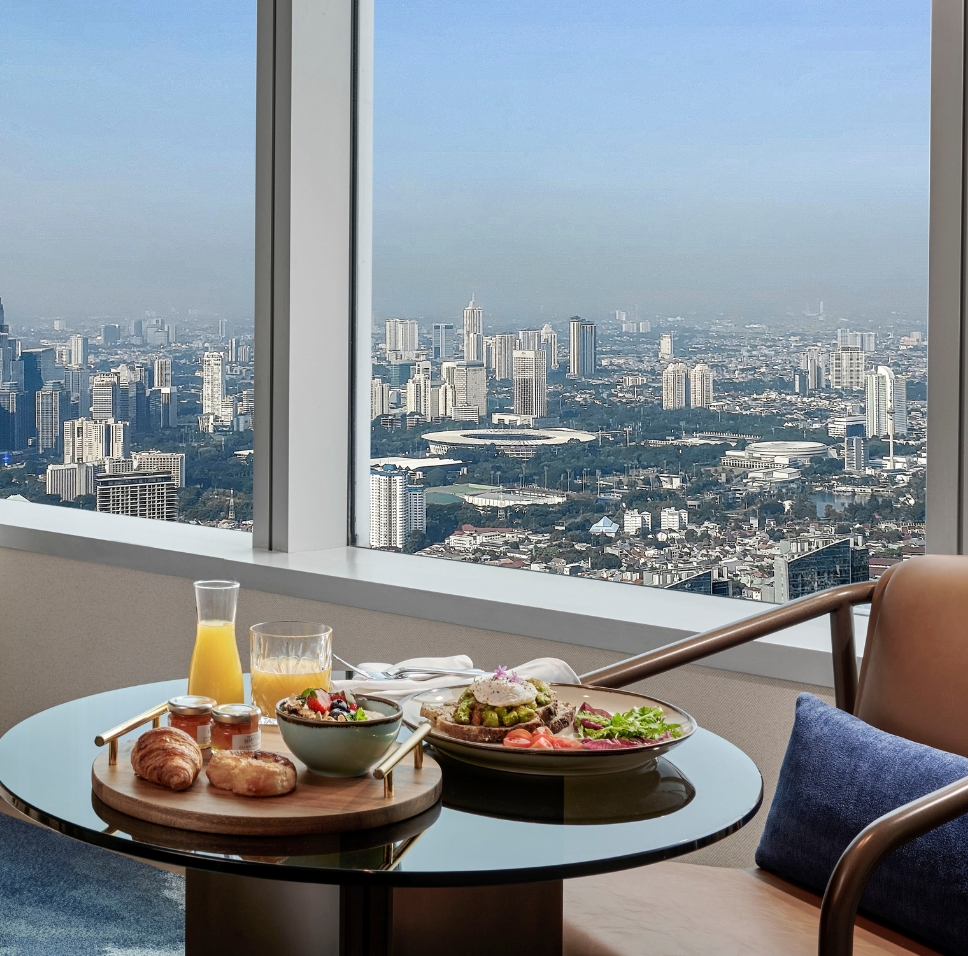
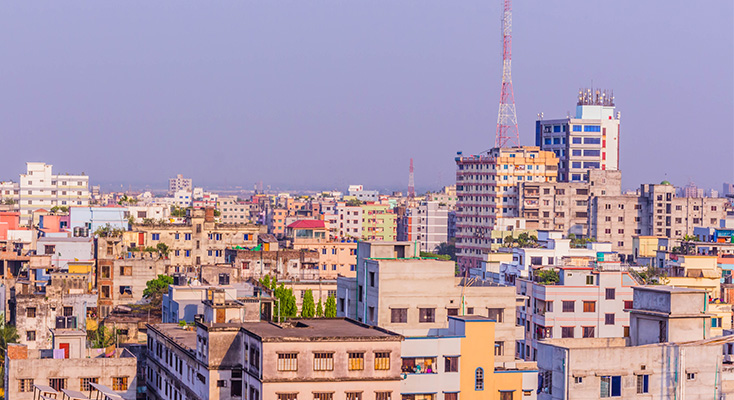
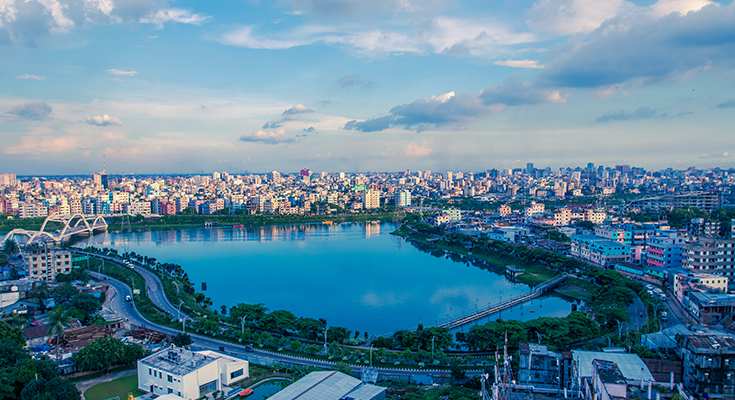
Jakarta reluctantly reveals itself. The first encounter with Indonesia’s capital typically delivers precisely what one expects: towering glass monuments to commerce rising above the tropical haze, eight-lane thoroughfares where motorbikes and taxis perform a perpetual, honking ballet, and shopping centres spreading with the relentless determination of jungle vines.

The noise never ceases—a cacophony of engines, horns, street vendors, and the occasional muezzin call floating above it all. Many visitors experience Jakarta only through air-conditioned cars, their windows sealing out the clamour and humanity of the streets.

But there is another Jakarta entirely—a city that unfolds at a walking pace, on side streets and in quiet corners where the past hasn’t yet been bulldozed into oblivion. This Jakarta speaks in whispers rather than shouts, rewarding the lingering observer with small revelations that hurried travellers miss entirely.
Historical Jakarta: Where Time Slows Down

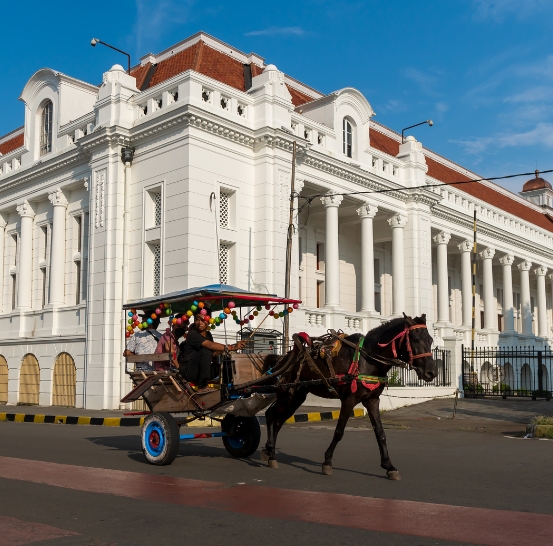
In Kota Tua, the old colonial centre, morning light falls across the weathered façades of Dutch administrative buildings with a certain tenderness. Fatahillah Square sprawls beneath a tropical sun that bakes its cobblestones by midday. Locals occupy the space casually, playing chess in the shadows, their concentration undisturbed by the heat that makes foreigners wilt.

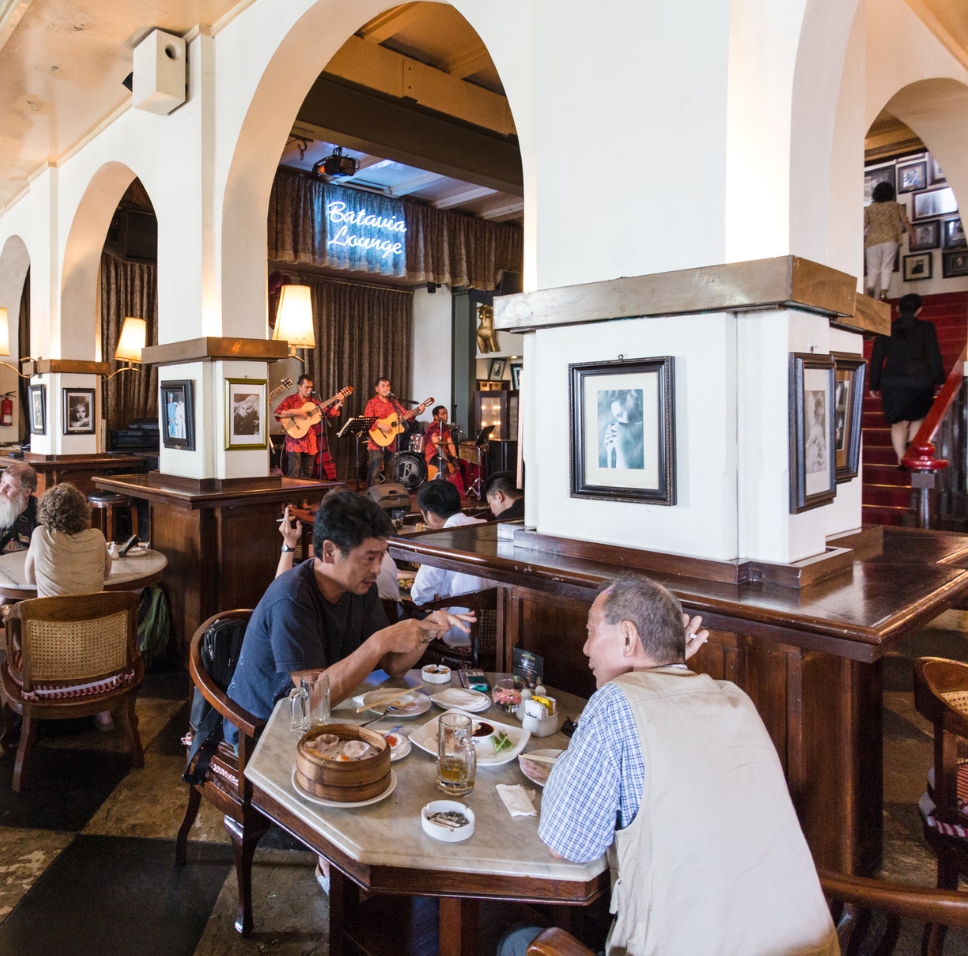
At Café Batavia, overlooking the square, ceiling fans turn with hypnotic slowness. The café’s worn wooden floors and rattan chairs speak to Indonesia’s colonial past without sentimentality. From the second-floor gallery, Jakarta’s old town passes from morning into afternoon with the stately pace of a ceremonial procession—a tempo entirely different from the frenzied city beyond.

Just kilometres away, Glodok presents Jakarta’s Chinatown, which is functioning and deeply authentic. At Vihara Dharma Bhakti, Jakarta’s oldest Chinese temple, time seems suspended in sweet-smelling clouds of incense. Worshippers make offerings with methodical precision, while just outside, traders conduct business on mobile phones—ancestral rhythms and digital urgency coexisting perfectly.

Cultural Treasures: Museums and Beyond

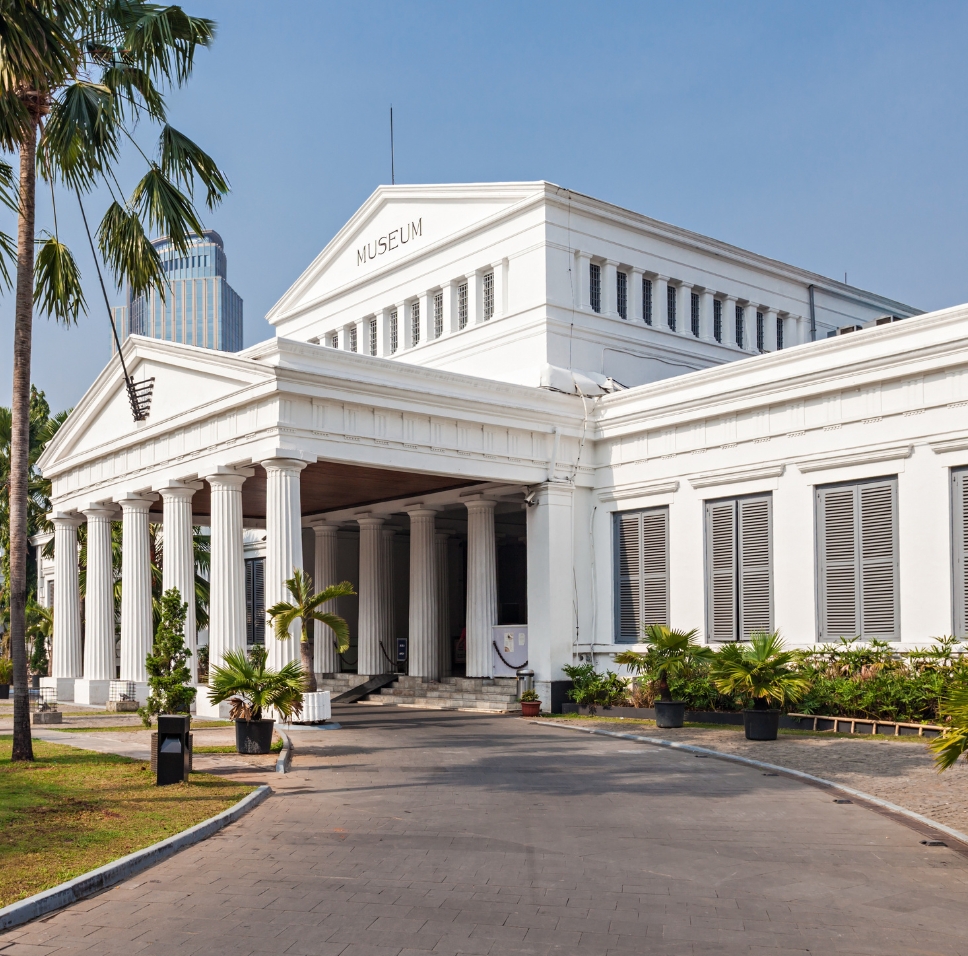
For those seeking to understand Indonesia’s vast cultural heritage, the National Museum of Indonesia presents its treasures in a neoclassical building—an odd container for Java’s Hindu-Buddhist past. Among the highlights are intricately carved stone sculptures of gods and guardians, many originating from ancient Java’s kingdoms.

Yet Jakarta’s most compelling museums aren’t behind grand façades but in ordinary streets and alleyways. The city’s culinary landscape preserves history more vividly than any curated exhibit. In food markets and warungs (small family-owned businesses), centuries of influence—Chinese, Arab, Indian, Dutch, Indigenous—have created a palimpsest of flavours.

At Sabang’s night market, the air thickens with the scent of grilled satay and freshly pounded spices for gado-gado. While street food traditions have endured for generations, Jakarta’s culinary scene constantly evolves, blending classic recipes with modern interpretations.

Contemporary Escapes: Hidden Bars and Island Retreats

More unexpected is Jakarta’s flourishing speakeasy scene, hidden behind unmarked doors and down unassuming alleyways. The Cocktail Club in Senopati and A/A Bar in Menteng incorporate local flavours—pandan, lemongrass, tamarind—blending Indonesian culinary heritage with modern mixology.

For those seeking respite from the urban intensity, Gelora Bung Karno provides a welcome green space within the city. Jogging paths and shaded walkways offer a brief escape from the fast-paced energy that defines central Jakarta.

A more complete retreat awaits at the Thousand Islands (Kepulauan Seribu) off Jakarta’s coast. Pulau Macan, a private eco-resort island, offers snorkelling opportunities amid coral reefs that persist despite environmental pressures. Fish dart between coral formations with the same frenetic energy as motorbikes on Jakarta’s streets, but the chaos feels natural, even soothing, here.

Our Jakarta Experience

At Pan Pacific Jakarta and PARKROYAL Serviced Suites Jakarta, we understand that genuinely experiencing this complex city requires immersion and reflection. Our properties sit at the intersection where Jakarta’s commercial energy meets its cultural undercurrents, allowing our guests to retreat from the city’s intensity without disconnecting from its authentic character.

We take pride in serving as a tranquil base for exploring Jakarta’s many facets. After days spent navigating crowded markets or attending business meetings, our accommodations provide a necessary pause. In this space, guests can process Jakarta’s contradictions and complexities with the comfort of attentive, personalised service.

Jakarta demands to be experienced rather than merely visited. Those who approach it patiently discover a metropolis of multitudes—historical depth, cultural richness, and a distinctive character that gradually emerges, like a photograph slowly developing, its actual image appearing only after considerable time. We’re honoured to be part of that unfolding story, providing thoughtful hospitality that complements the city’s gracious, if sometimes hidden, welcome.

Unfiltering Jakarta Beyond the City’s Rush

Unfiltering Jakarta Beyond the City’s Rush


Jakarta reluctantly reveals itself. The first encounter with Indonesia’s capital typically delivers precisely what one expects: towering glass monuments to commerce rising above the tropical haze, eight-lane thoroughfares where motorbikes and taxis perform a perpetual, honking ballet, and shopping centres spreading with the relentless determination of jungle vines.

The noise never ceases—a cacophony of engines, horns, street vendors, and the occasional muezzin call floating above it all. Many visitors experience Jakarta only through air-conditioned cars, their windows sealing out the clamour and humanity of the streets.

But there is another Jakarta entirely—a city that unfolds at a walking pace, on side streets and in quiet corners where the past hasn’t yet been bulldozed into oblivion. This Jakarta speaks in whispers rather than shouts, rewarding the lingering observer with small revelations that hurried travellers miss entirely.
Unfiltering Jakarta Beyond the City’s Rush

Historical Jakarta: Where Time Slows Down

In Kota Tua, the old colonial centre, morning light falls across the weathered façades of Dutch administrative buildings with a certain tenderness. Fatahillah Square sprawls beneath a tropical sun that bakes its cobblestones by midday. Locals occupy the space casually, playing chess in the shadows, their concentration undisturbed by the heat that makes foreigners wilt.

At Café Batavia, overlooking the square, ceiling fans turn with hypnotic slowness. The café’s worn wooden floors and rattan chairs speak to Indonesia’s colonial past without sentimentality. From the second-floor gallery, Jakarta’s old town passes from morning into afternoon with the stately pace of a ceremonial procession—a tempo entirely different from the frenzied city beyond.

Just kilometres away, Glodok presents Jakarta’s Chinatown, which is functioning and deeply authentic. At Vihara Dharma Bhakti, Jakarta’s oldest Chinese temple, time seems suspended in sweet-smelling clouds of incense. Worshippers make offerings with methodical precision, while just outside, traders conduct business on mobile phones—ancestral rhythms and digital urgency coexisting perfectly.

Unfiltering Jakarta Beyond the City’s Rush

Cultural Treasures: Museums and Beyond

For those seeking to understand Indonesia’s vast cultural heritage, the National Museum of Indonesia presents its treasures in a neoclassical building—an odd container for Java’s Hindu-Buddhist past. Among the highlights are intricately carved stone sculptures of gods and guardians, many originating from ancient Java’s kingdoms.

Yet Jakarta’s most compelling museums aren’t behind grand façades but in ordinary streets and alleyways. The city’s culinary landscape preserves history more vividly than any curated exhibit. In food markets and warungs (small family-owned businesses), centuries of influence—Chinese, Arab, Indian, Dutch, Indigenous—have created a palimpsest of flavours.

At Sabang’s night market, the air thickens with the scent of grilled satay and freshly pounded spices for gado-gado. While street food traditions have endured for generations, Jakarta’s culinary scene constantly evolves, blending classic recipes with modern interpretations.

Unfiltering Jakarta Beyond the City’s Rush

Contemporary Escapes: Hidden Bars and Island Retreats

More unexpected is Jakarta’s flourishing speakeasy scene, hidden behind unmarked doors and down unassuming alleyways. The Cocktail Club in Senopati and A/A Bar in Menteng incorporate local flavours—pandan, lemongrass, tamarind—blending Indonesian culinary heritage with modern mixology.

For those seeking respite from the urban intensity, Gelora Bung Karno provides a welcome green space within the city. Jogging paths and shaded walkways offer a brief escape from the fast-paced energy that defines central Jakarta.

A more complete retreat awaits at the Thousand Islands (Kepulauan Seribu) off Jakarta’s coast. Pulau Macan, a private eco-resort island, offers snorkelling opportunities amid coral reefs that persist despite environmental pressures. Fish dart between coral formations with the same frenetic energy as motorbikes on Jakarta’s streets, but the chaos feels natural, even soothing, here.

Unfiltering Jakarta Beyond the City’s Rush

Our Jakarta Experience

At Pan Pacific Jakarta and PARKROYAL Serviced Suites Jakarta, we understand that genuinely experiencing this complex city requires immersion and reflection. Our properties sit at the intersection where Jakarta’s commercial energy meets its cultural undercurrents, allowing our guests to retreat from the city’s intensity without disconnecting from its authentic character.

We take pride in serving as a tranquil base for exploring Jakarta’s many facets. After days spent navigating crowded markets or attending business meetings, our accommodations provide a necessary pause. In this space, guests can process Jakarta’s contradictions and complexities with the comfort of attentive, personalised service.

Jakarta demands to be experienced rather than merely visited. Those who approach it patiently discover a metropolis of multitudes—historical depth, cultural richness, and a distinctive character that gradually emerges, like a photograph slowly developing, its actual image appearing only after considerable time. We’re honoured to be part of that unfolding story, providing thoughtful hospitality that complements the city’s gracious, if sometimes hidden, welcome.

Enter Title

Enter Title

Enter Description

Enter CTA Label