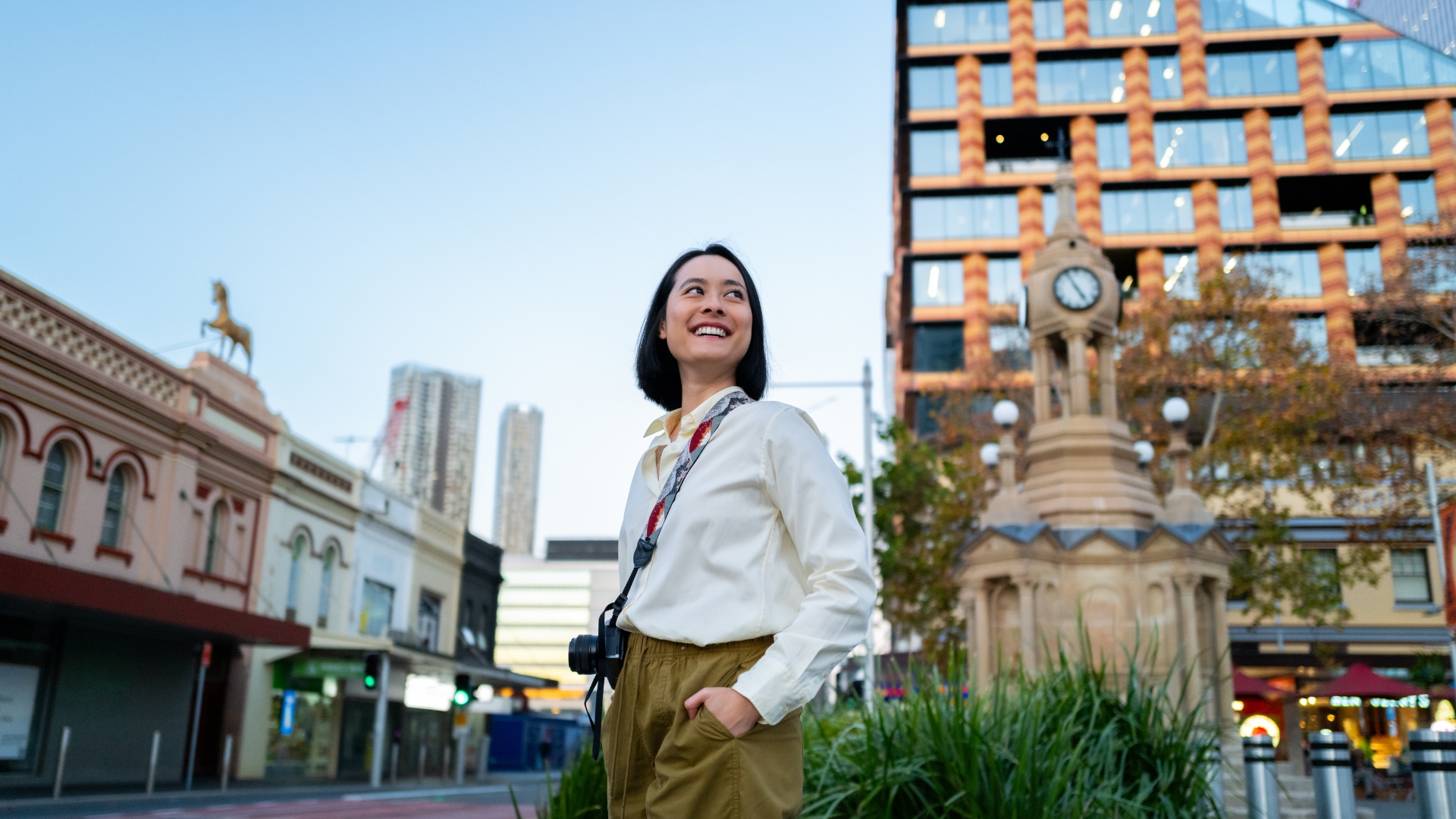
Australia offers no shortage of reasons to book a flight, but Sydney, Melbourne and Perth each make a genuinely different case for a traveller's time and attention.
One city frames itself through unforgettable harbourside landmarks. Another rewards those who prefer to lose themselves in laneways, galleries and the kind of coffee culture that locals take quietly but deeply seriously. The third sits at the edge of a continent, offering wide beaches, clear skies and a natural world that begins practically at the city limits.
Choosing between them is not about ranking one above the others. Tourism Research Australia's Domestic Tourism Statistics confirm that Melbourne leads Australia's cities in domestic overnight trips and spend, with Sydney a close second, and that Perth is among the country's top five most-visited regions, but the numbers tell only part of the story. The more useful question is which city's personality best matches what a traveller is actually looking for at this particular moment in their lives
All three reward a thoughtful approach. Sydney delivers on spectacle and coastline. Melbourne offers depth and culture at every turn, from its iconic laneways to its world-class sporting calendar. Perth surprises nearly every visitor who gives it the chance. What follows is an honest look at what each city does best, and how to make the most of whichever one calls loudest.
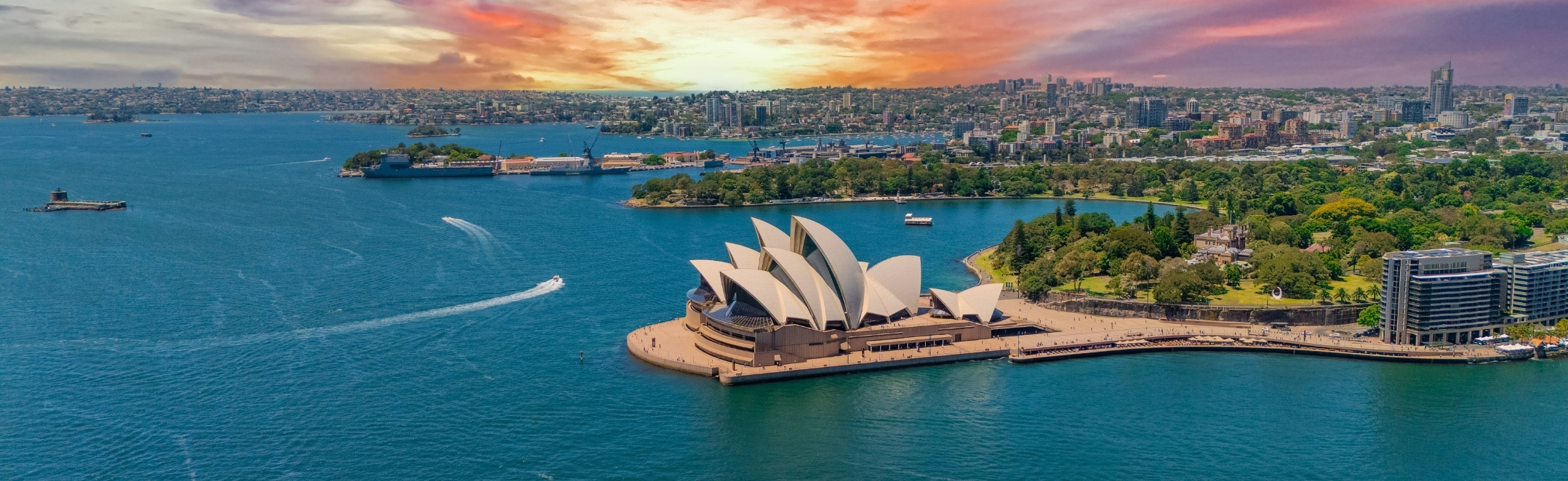
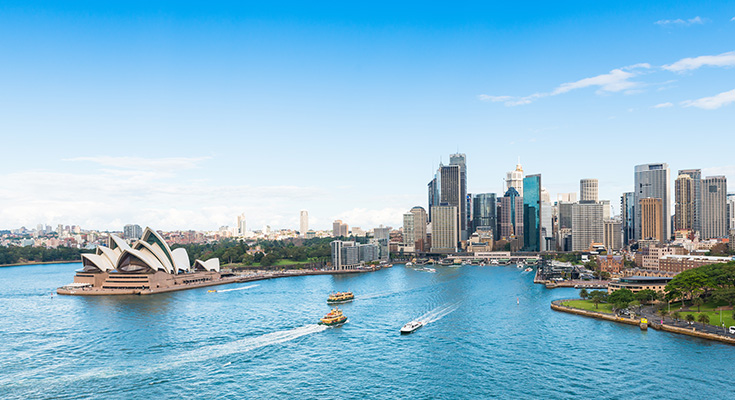
No Australian city announces itself quite like Sydney. The Sydney Opera House and the Harbour Bridge form one of the world's most recognisable urban panoramas, and the experience of seeing both from the water or from the Circular Quay foreshore remains genuinely arresting, even for seasoned travellers.
These are working, living parts of a city that uses its harbour as a natural gathering place.
Beyond the icons, Sydney rewards exploration at ground level. The Bondi to Coogee coastal walk traces six kilometres of clifftop paths, tidal pools and crescent beaches, offering a side of the city that feels entirely removed from the CBD rush.
Darling Harbour rounds out the experience with waterfront dining, museums and a promenade that draws both families and solo visitors in equal measure.
Sydney also holds a fresh culinary credential worth noting. The western suburb of Parramatta has been named one of the world's best food destinations for 2026 by Condé Nast Traveller, recognising a dining scene shaped by diverse communities and decades of culinary ambition.
For travellers who think Sydney ends at the Harbour Bridge, Parramatta is a compelling reason to push further west.
Best for the Active Sightseer:
Travellers seeking iconic landmarks, coastal walking trails, and a diverse suburban food scene that stretches well beyond the harbour, Sydney is for you.
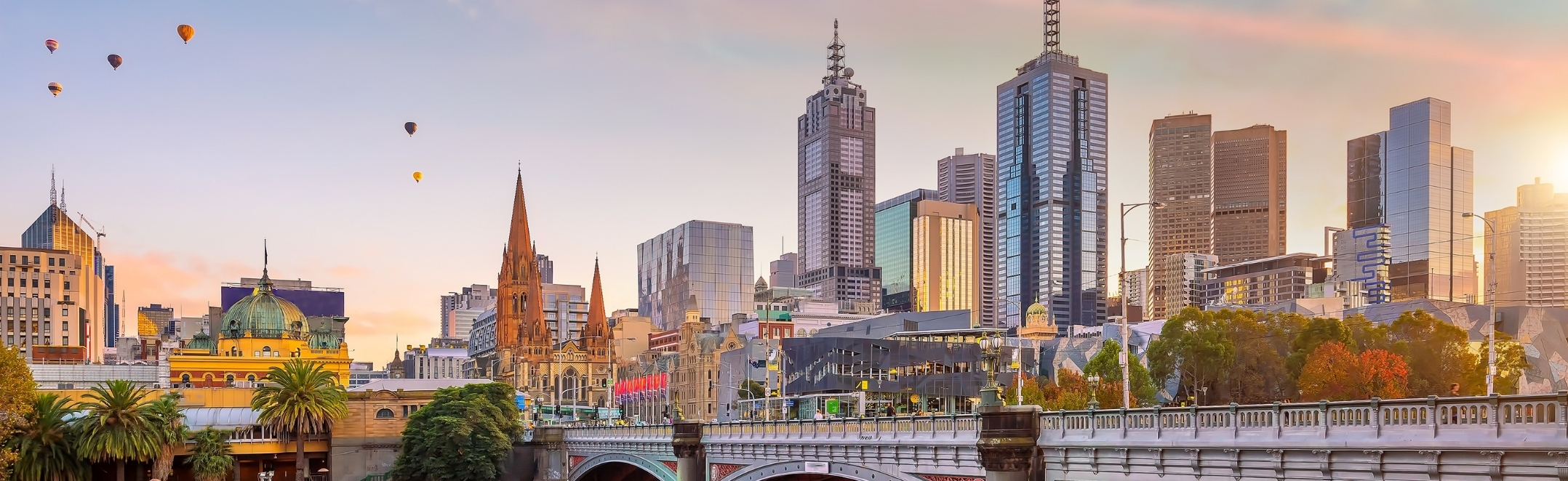
Melbourne has earned its reputation as Australia's cultural capital through decades of investment in the arts, food, and independent creative life.
Its CBD grid conceals a network of laneways, including Hosier Lane and Degraves Street, where street art, espresso bars and independent shops exist in close, productive proximity. This is a city where the best discoveries tend to happen on foot, down passages that do not appear on most tourist maps.
The city's cultural credentials extend well beyond coffee and street art. Fitzroy hosts an independent gallery circuit that draws artists and collectors from across the country, while the Southbank arts precinct anchors a more formal cultural offering within walking distance of the CBD. For those who prefer the outdoors, the Great Ocean Road begins just beyond the city's western edge, offering one of Australia's most celebrated coastal drives.
Melbourne is also, by any measure, Australia's sports capital. The city hosts the Australian Open at Melbourne Park, the Australian Grand Prix at Albert Park, the Melbourne Cup at Flemington Racecourse and the AFL Grand Final at the Melbourne Cricket Ground. These events are woven into the city's identity, drawing visitors from around the world and creating an atmosphere difficult to replicate elsewhere.
Best for the Culture Enthusiast:
Travellers who want to lose themselves in laneways, live sport, world-class arts and a coffee culture that rewards those who take it seriously, Melbourne is for you.
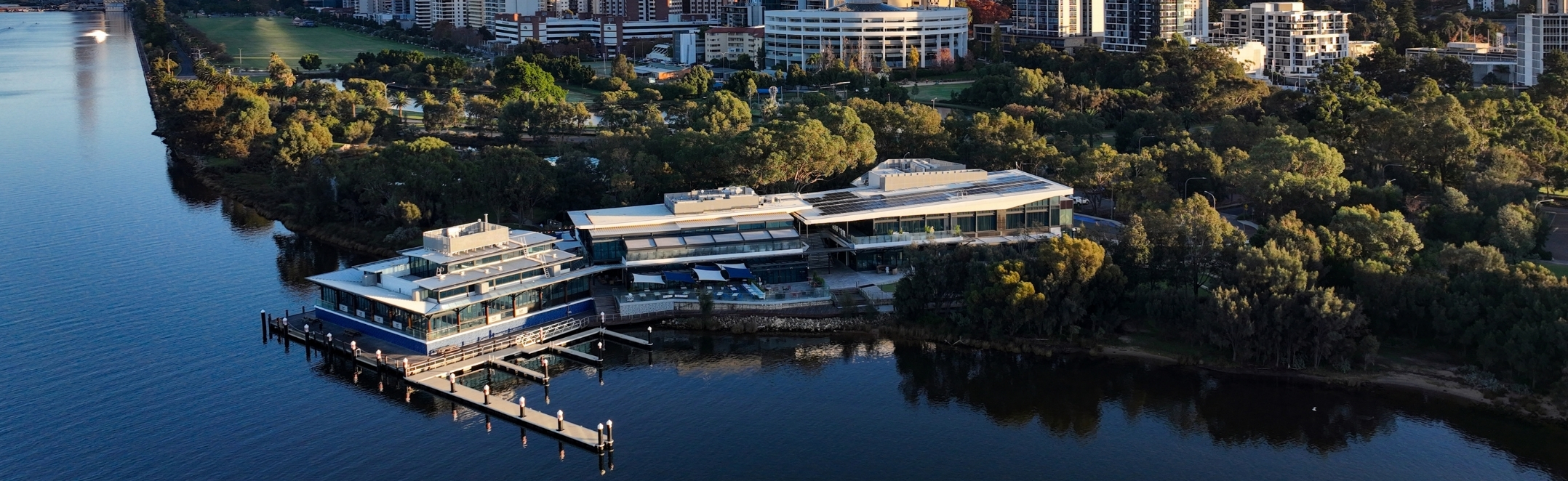
Perth occupies a unique position in the global geography of major cities. One of the world's most geographically isolated capitals, it is closer to Bali than it is to Sydney.
This geographical reality shapes its personality in ways both practical and profound. The city moves at its own pace, rewards patience and offers a quality of light that photographers and early risers tend to find genuinely extraordinary.
Cottesloe Beach is the city's most beloved stretch of sand, drawing swimmers and sunset watchers year-round, while Kings Park offers 400 hectares of bushland and formal gardens within minutes of the CBD.
A short ferry from Fremantle, Rottnest Island provides a car-free escape where quokkas wander the paths and cyclists move between some of Western Australia's most sheltered bays.
Beyond the city itself, the Margaret River wine region sits roughly three hours south, combining world-class Cabernet Sauvignon and Chardonnay with an artisan food scene, surf beaches and old-growth forest.
Perth's position as a gateway to all of this is part of what makes it such a compelling choice for travellers who want nature, culture and coastline without the crowds.
Best for the Unhurried Explorer:
Travellers who want wide beaches, extraordinary natural light, and a relaxed gateway to wine country, island escapes, and old-growth forest without the crowds, Perth is for you.
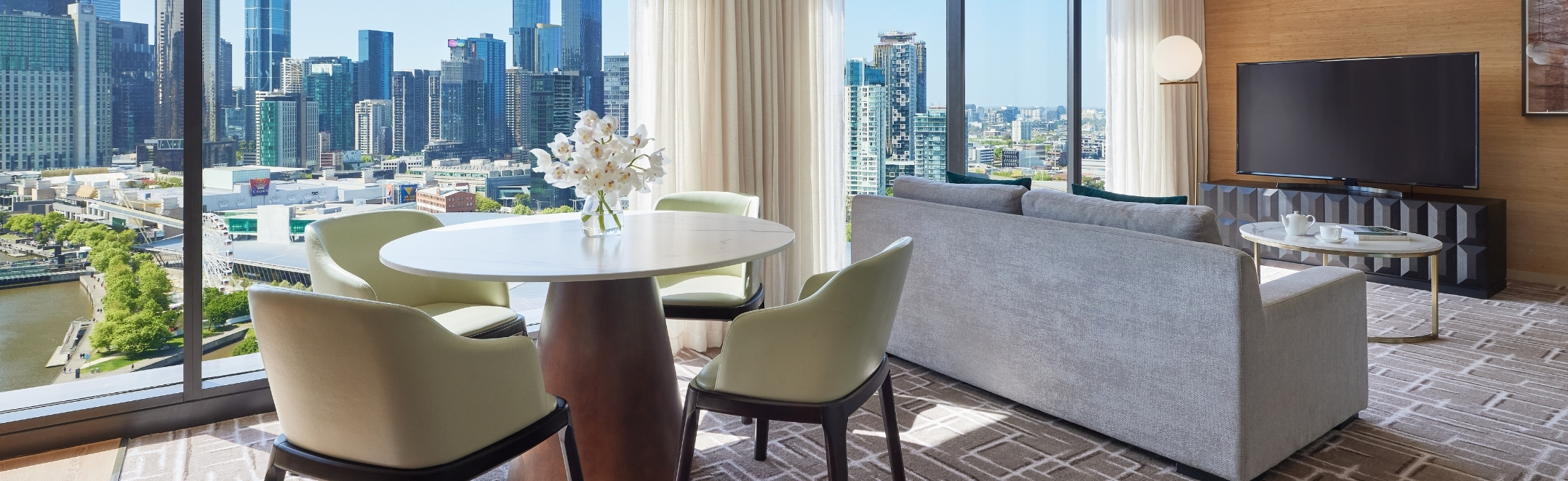
For Melbourne, Pan Pacific Hotels Group offers two well-positioned options that suit different types of travellers. Pan Pacific Melbourne (pictured above) brings gracious city-centre luxury to Southbank, placing guests within easy reach of the arts precinct, the Melbourne Cricket Ground and the CBD laneway culture that defines the city.
Those whose plans take them to the south-eastern suburbs will find PARKROYAL Monash Melbourne a well-located and genuinely welcoming base, with the amenities and neighbourhood access that make an extended stay feel effortless.
For travellers navigating an early departure or a long-haul connection, PARKROYAL Melbourne Airport offers the only premier hotel directly connected to Melbourne Airport's domestic and international terminals. Whether you are catching a first flight of the day or winding down after a long journey, the convenience of stepping from check-in to a well-appointed room makes it a practical and genuinely comfortable way to begin or close an Australian trip.
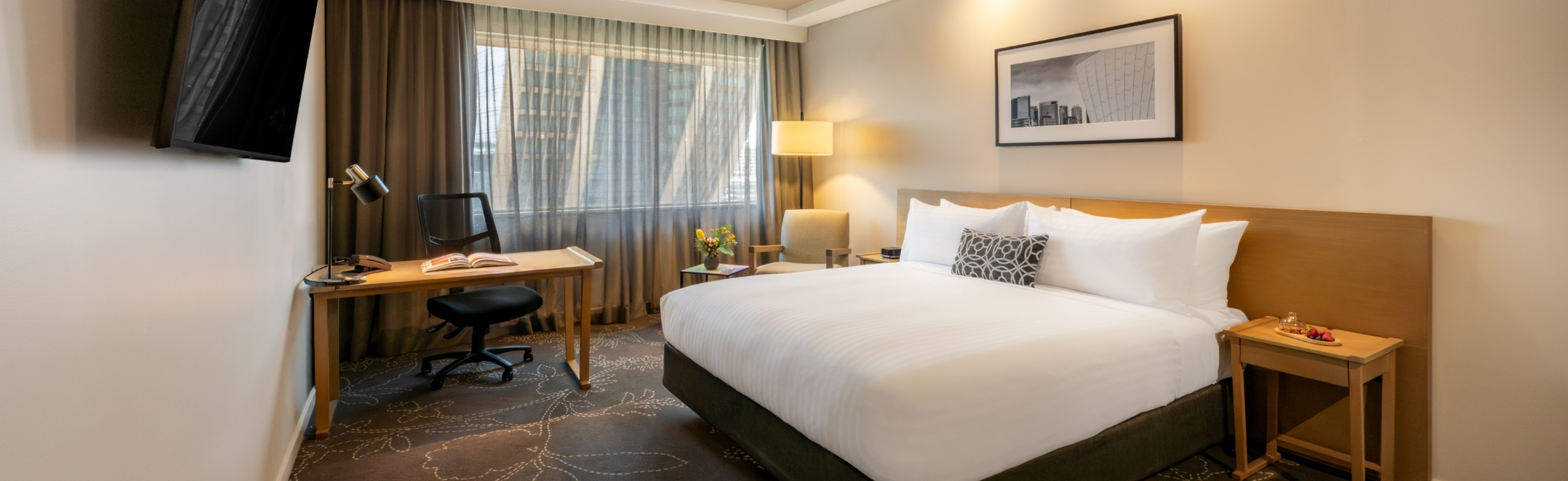
In Sydney, PARKROYAL Darling Harbour, Sydney (pictured above) places guests at the heart of the waterfront precinct, with the Opera House, Bondi, QVB, Pitt Street Mall and Parramatta all accessible from a central, energetic address.
The newly refurbished PARKROYAL Parramatta offers a more local perspective, situated 30 minutes from Sydney International Airport, in the suburb that Condé Nast Traveller now recognises as one of the world's best food destinations for 2026.
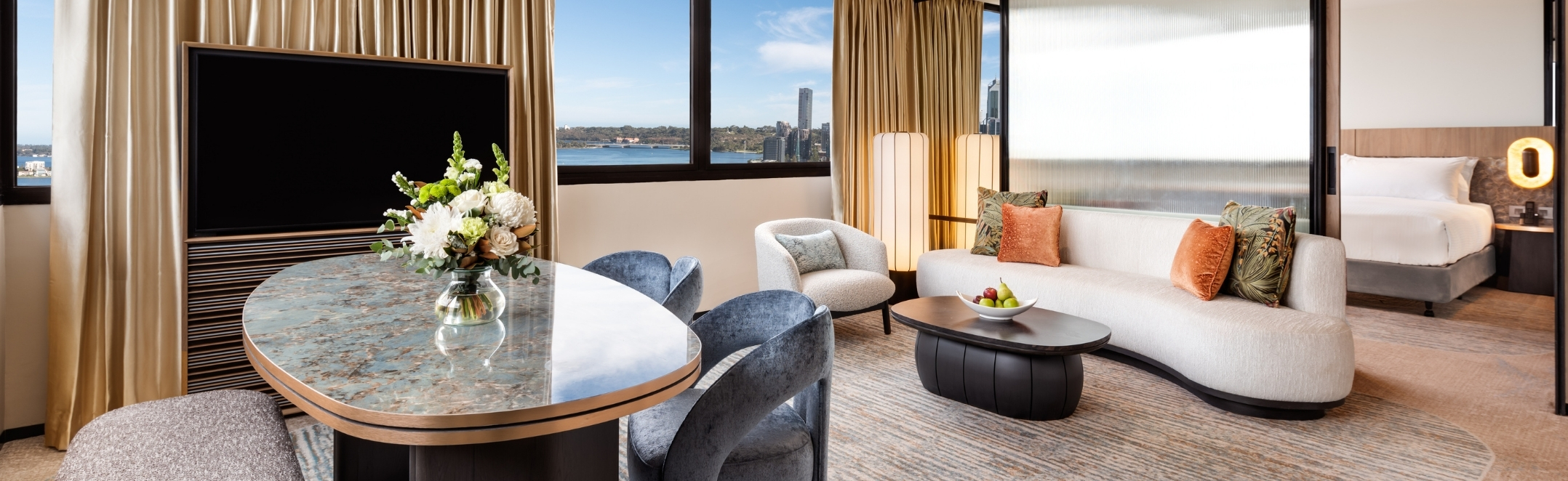
For Perth, Pan Pacific Perth (pictured above) anchors guests on the riverside Adelaide Terrace corridor, providing a refined and reliable base from which to explore Kings Park, Cottesloe Beach and the weekend ferries to Rottnest Island.
Sydney, Melbourne and Perth each make a case that is difficult to argue with, and the honest answer is that none of them will disappoint a traveller who arrives with curiosity and a little time to spare. What changes is the kind of experience you bring home. The harbour at sunrise, the laneway espresso, and the quokka on a car-free island at the edge of the continent are core memories to take home. Whichever city calls loudest, we have a considered address waiting, designed to put you at the centre rather than at a comfortable distance.
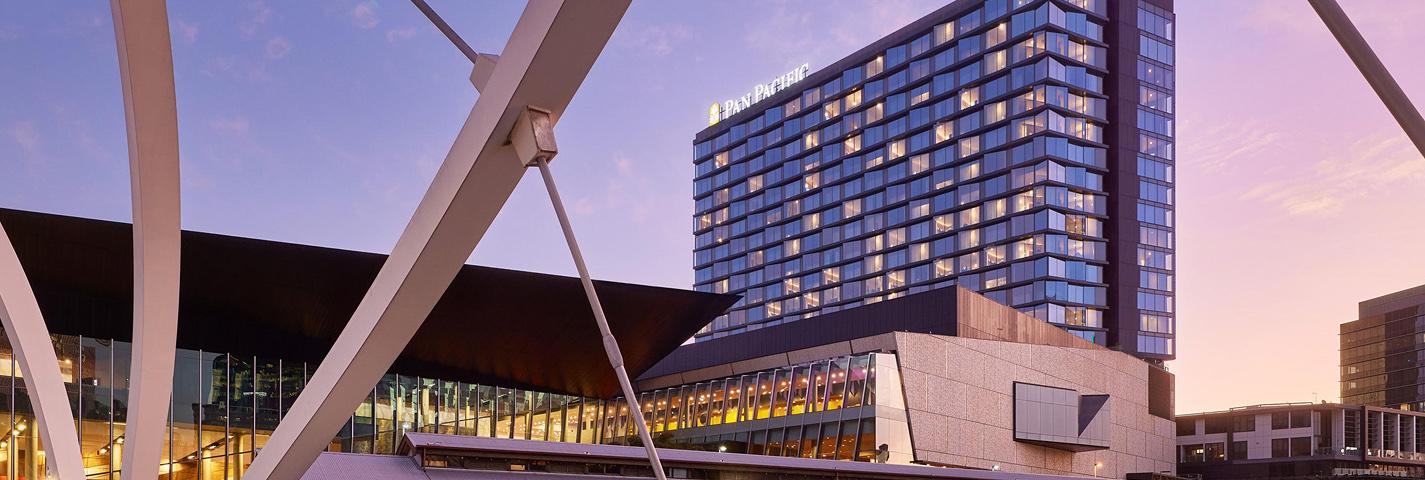
Stay at Pan Pacific Melbourne
Stay in the heart of the city with skyline views and Melbourne's dining and laneway culture close at hand and experience the city like a local.
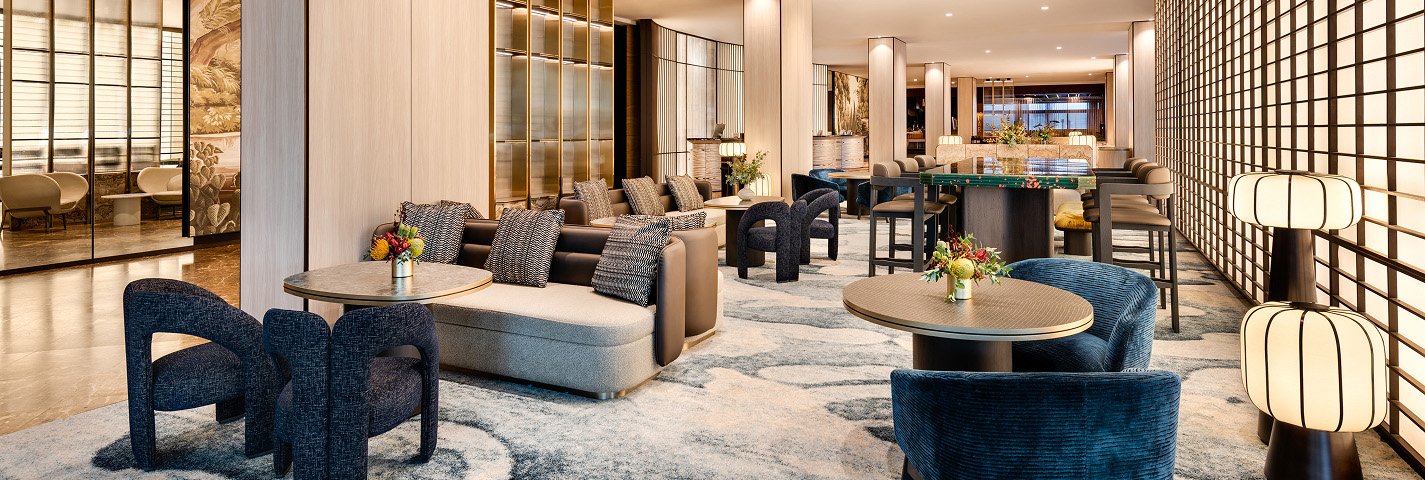
Stay at Pan Pacific Perth
In the centre of Perth with views across the Swan River, Pan Pacific Perth keeps you close to shopping, dining, and entertainment. Experience the city's experiences and events from the perfect base.
More to Explore

-
Hotels and Resorts


-
Serviced Suites


-
Wellness and Lifestyle


Sign Up for Our Newsletter
Be the first to know about our exclusive deals.
Download Our Mobile App


Get the Latest from Our Socials

