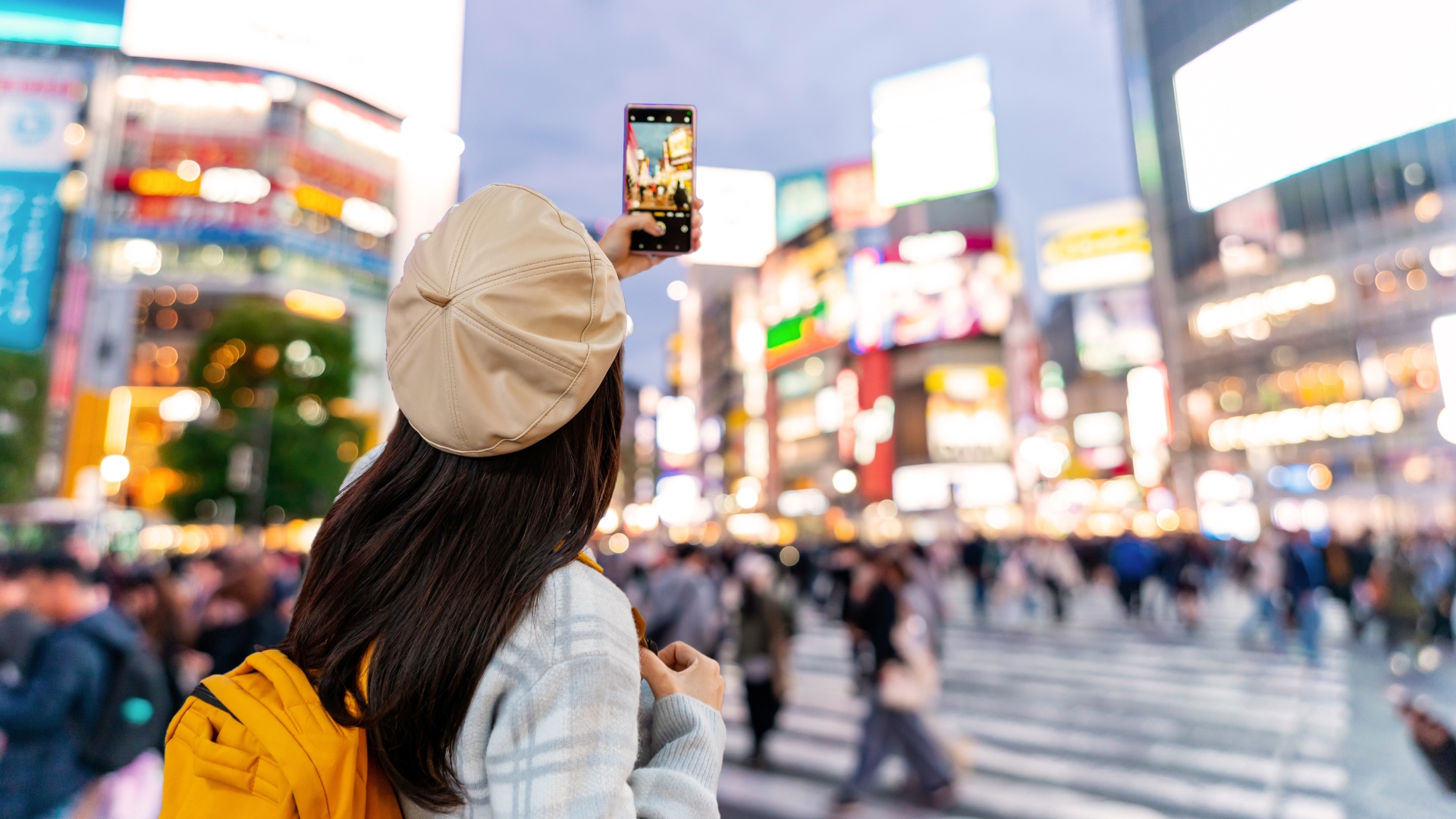
Tokyo resists the single-city label. Spend a morning in Yanaka, where cats sleep on wooden gate posts, and incense drifts from temple courtyards, and the neon density of Kabukicho feels like a separate country entirely. Walk from Akihabara’s multi-storey gaming arcades to the canal-side coffee shops of Nakameguro in under an hour, and the contrast is not incidental. It is the point. Tokyo is a mosaic of radically different worlds, each with its own rhythm, its own regulars and its own reason to linger.
The city’s neighbourhood structure rewards a particular kind of curiosity: one that resists the landmark checklist in favour of slow, exploratory walking. The traveller who spends an afternoon drifting through Asakusa’s backstreets rather than photographing Senso-ji from the main approach will find a version of the city that most visitors miss entirely. The same applies to arriving in Golden Gai before midnight rather than after, or to choosing the secondary streets of Harajuku over Takeshita Dori on a weekday morning. Tokyo rewards those who adjust their angle.
What follows is a guide to nine of Tokyo’s most compelling neighbourhoods, organised into three distinct registers: the electric after-dark streets of Shinjuku, the preserved cultural quarters of the east and north, and the creative, canal-threaded districts of the city’s stylish west side. Together they sketch a city that is never quite the same from one block to the next.
Kabukicho is the most densely entertaining square kilometre in Tokyo, possibly in Japan. The district’s towers are plastered floor to rooftop in signs, and the streets below cycle through hostess clubs, ramen counters, karaoke buildings, live music venues and late-night cinemas in the space of a single block. It operates at full intensity from early evening until well past dawn, and walking through it without a particular destination is an activity in itself. The scale is deliberate: Kabukicho has always been a place designed to keep visitors moving, looking and returning.
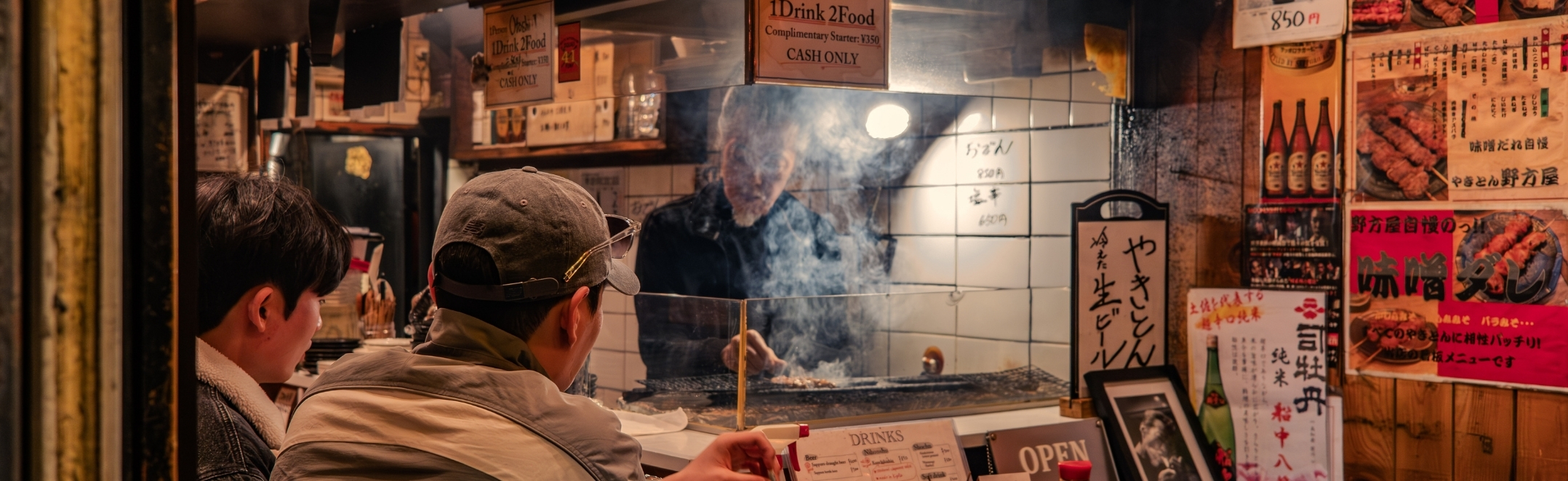
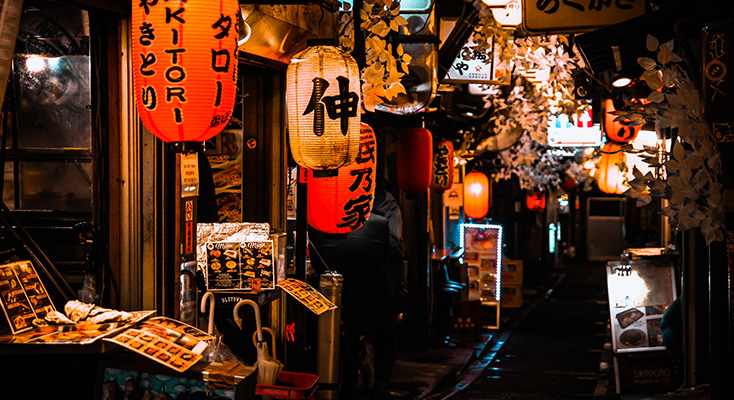
A short walk from the Kabukicho main drag, Omoide Yokocho is the atmospheric counterpoint. This narrow pedestrian alley beside Shinjuku Station’s west exit dates to the post-war period and houses a succession of tiny yakitori stalls, each with a charcoal grill, a handful of stools and smoke that hangs above the lane like low cloud. The skewers are inexpensive, the portions small, and the experience entirely specific to this one alley. Arriving early secures a seat; arriving late means standing with a beer while the grill masters work.
Golden Gai, immediately adjacent to Kabukicho, is one of the great urban curiosities of any world city. Six narrow alleys contain over 200 bars, most of which seat no more than eight people, each themed around a particular obsession: jazz, horror films, Americana, manga, rockabilly, or whisky. The buildings are two storeys of compressed timber and corrugated signage, and the cumulative effect of walking through all six alleys before choosing a door is half the pleasure of the evening. First-timers should look for bars displaying an English welcome sign, which indicates a willingness to chat with visitors who arrive without an introduction.
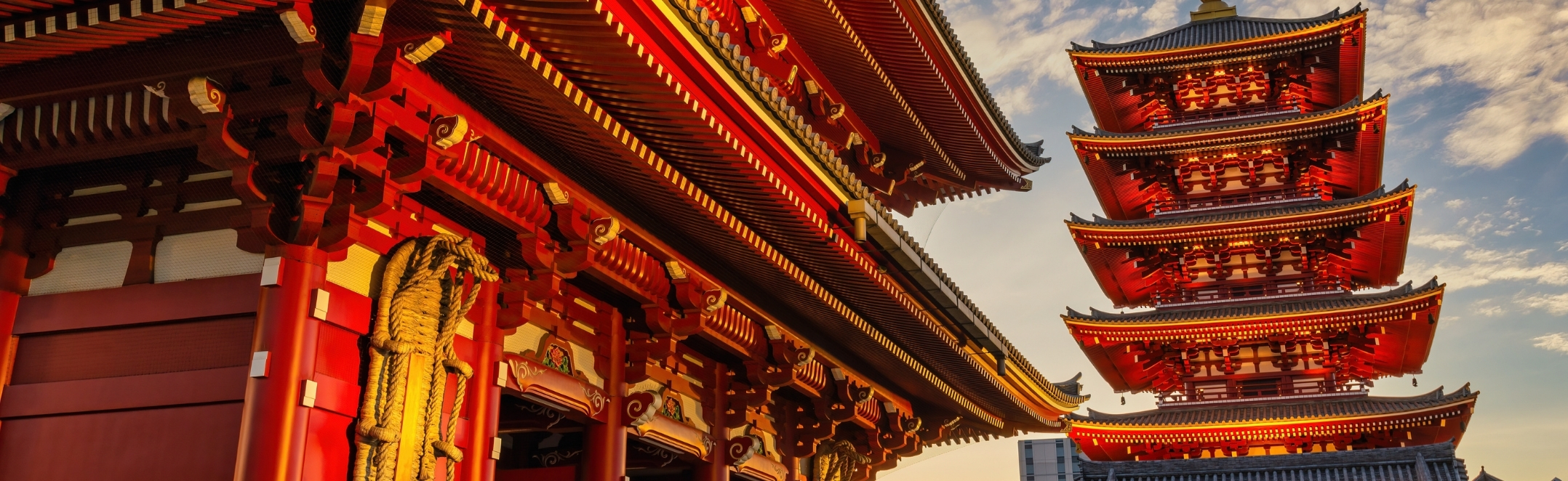
Asakusa is the neighbourhood most visitors encounter first, and the one most worth returning to on a second morning. Sensoji Temple draws enormous crowds along the Nakamise shopping street, but the streets immediately behind the main precinct shift to a quieter residential scale, where sembei shops, craft workshops, and small izakayas occupy buildings that have been in continuous use for generations. The best time to visit Senso-ji itself is before 8am, when the incense smoke rises into the cool air and the temple grounds are almost entirely occupied by locals arriving for morning prayer.
Yanaka preserved more of its Edo-era townscape than almost any other Tokyo district, having survived both the 1923 Great Kanto Earthquake and the Second World War largely intact. The main shopping lane, Yanaka Ginza, is a gentle, unhurried street of family-run food stalls, pottery shops and a famous concentration of neighbourhood cats. The surrounding cemetery, shaded by cherry and ginkgo trees, is one of the finest places in the city for a slow afternoon walk and houses the graves of several Tokugawa-era notables among its 7,000 plots.
Nezu Shrine, tucked between Yanaka and Sendagi, is one of Tokyo’s oldest Shinto shrines and carries none of the tourist density of the Meiji or Fushimi Inari equivalents. A tunnel of vermilion torii gates winds through a moss-covered hillside garden, narrowing as it climbs until the path emerges above a small pond ringed with azalea bushes. The shrine dates to the early 18th century, and the garden’s restrained, slightly overgrown quality gives it an authenticity that more-photographed sites often lack.
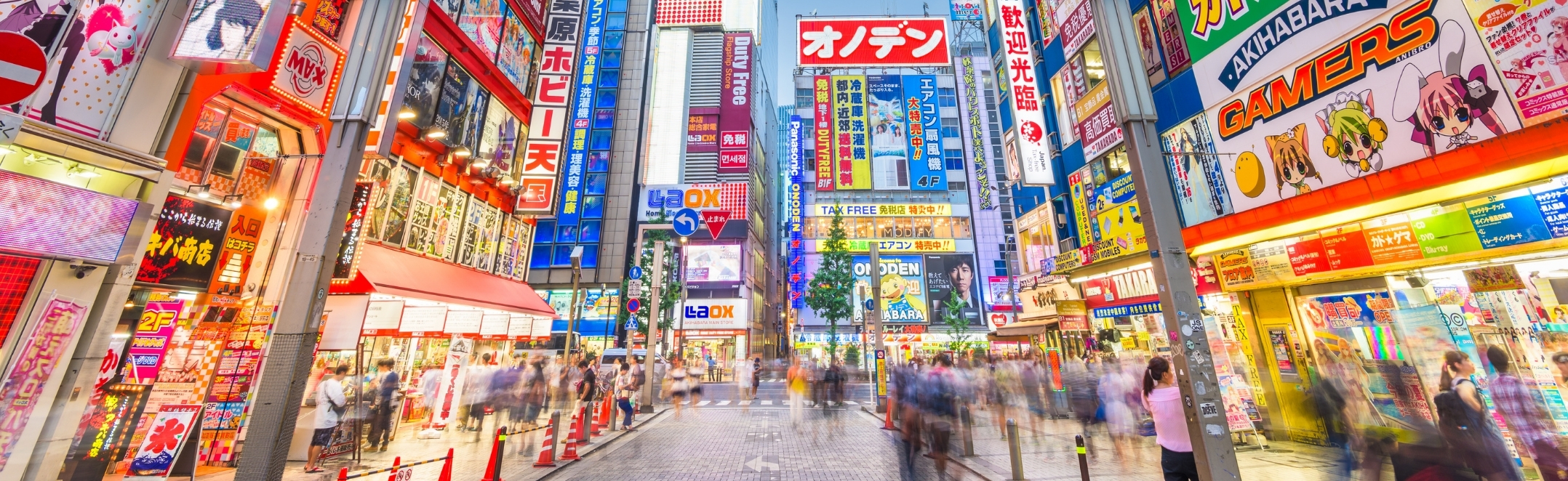
Akihabara built its identity around electronics and has since layered anime, gaming, cosplay and idol culture across every floor of its multi-storey shops. The district’s main street, Chuo-dori, is closed to traffic on Sunday afternoons, giving it the quality of an open-air convention floor. Specialist shops range from retro game cartridge traders on the upper floors of ageing arcade buildings to flagship stores for major manga publishers with dedicated gallery spaces. Visiting without an existing interest in the culture is entirely worthwhile: the sheer density of niche enthusiasm concentrated in a few city blocks is remarkable in its own right.
Harajuku is divided into two areas separated by a ten-minute walk. Takeshita-dori is the high-volume, photogenic street of sweet crepe stands, fast fashion and themed costume shops that most visitors know from photographs. The backstreets of Ura-Harajuku, by contrast, house the boutiques and studios of independent Japanese designers whose work is shown internationally and available locally without queues. Omotesando, the wide tree-lined boulevard connecting Harajuku to Aoyama, provides a composed, architecturally rich walk between the two districts, lined with flagship buildings designed by some of Japan’s most celebrated architects.
Nakameguro centres on the Meguro River and the elevated train line running beside it. The riverside promenade is lined with independent coffee shops, wine bars and florists, and the area beneath the elevated tracks, known as Nakameguro Koukashita, houses a curated stretch of restaurants and boutiques in the arched spaces below the railway. The neighbourhood draws a crowd that skews creative and local, and the streets' pace reflects it. An afternoon here, moving between a pour-over coffee, a gallery and a late lunch by the canal, is one of Tokyo’s most quietly satisfying ways to spend time.
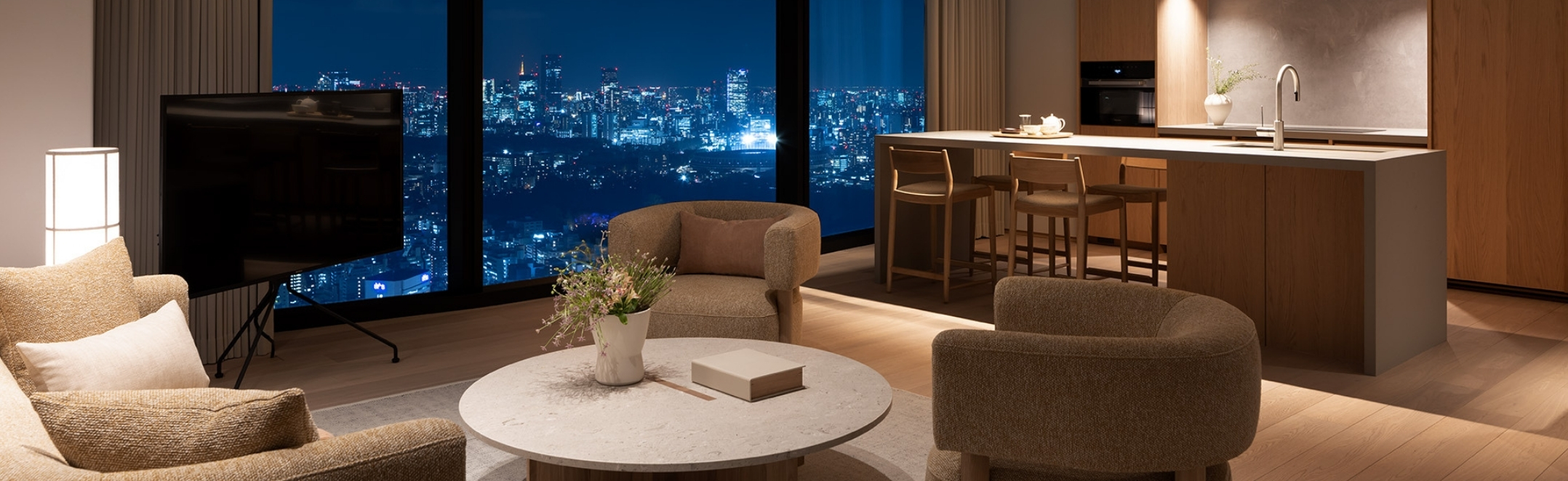
Shinjuku is where every evening in Tokyo can begin and, after all of it, where we invite guests to return. Three properties make this neighbourhood the natural base for exploring everything covered in this guide. All three positions make Tokyo’s most compelling districts reachable within minutes, and each one ensures the return journey is equally rewarding.
At BELLUSTAR TOKYO, A Pan Pacific Hotel (pictured above), the upper floors of Kabukicho Tower offer a perspective on the city that matches the hotel’s refined register: Tokyo spread below in every direction, the neon of Shinjuku giving way to the dark green of Shinjuku Gyoen and the lit grid beyond. Pacific Club floors provide personalised concierge service for guests navigating Tokyo’s neighbourhoods for the first time or the fifth, and the hotel’s gracious, unhurried hospitality provides a genuine contrast to the energy of the streets directly outside. For the discerning traveller, this is the curated Tokyo experience at its most complete.
Cerulean Tower Tokyu Hotel, a Pan Pacific partner property in neighbouring Shibuya, brings a composed, traditional character to the same well-connected part of the city. The property offers refined rooms, a celebrated jazz club and Japanese garden views that provide genuine respite after a full day moving between Yanaka’s wooden lanes, Akihabara’s arcade towers and Nakameguro’s canal-side boutiques. The Yamanote Line from Shibuya directly reaches every district in this guide, making Cerulean Tower a convenient base for guests who prefer calm at the close of each day.
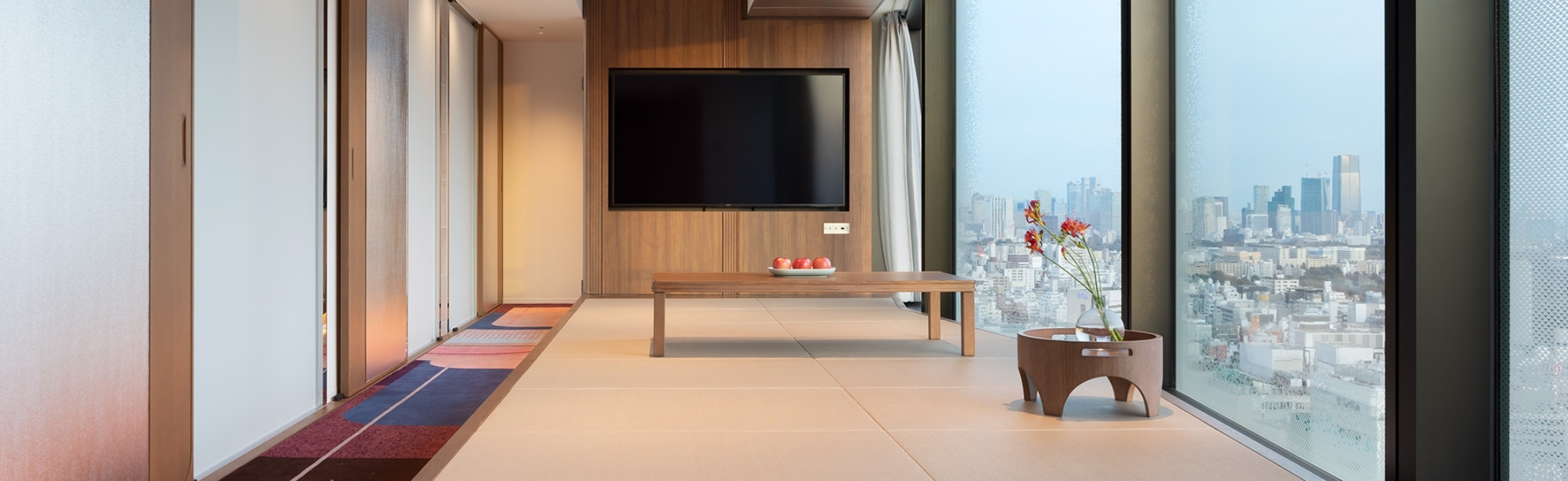
HOTEL GROOVE SHINJUKU, A PARKROYAL Hotel (pictured above), leans into its Kabukicho address with a vibrant, art and music-driven personality that suits guests who want the neighbourhood rather than a retreat from it. The hotel’s design references the creative culture of the district, and its position within the tower means stepping out into Golden Gai’s alleyways or Omoide Yokocho’s smoke-filled lanes takes less than five minutes from the lobby. For travellers who want Tokyo’s most lively streets as an extension of their stay, this is the instinctive choice.
BELLUSTAR and HOTEL GROOVE occupy Tokyu Kabukicho Tower, placing guests four minutes on foot from Golden Gai and directly above the Yamanote Line platforms that connect to Harajuku, Nakameguro, and Akihabara. Cerulean Tower Tokyu Hotel offers the same rail connectivity with a more serene atmosphere. Book your stay across any of our Tokyo properties and access exclusive rates and member benefits through Pan Pacific DISCOVERY. Tokyo’s neighbourhoods are ready to be explored, and the best possible base is already waiting.

Enter Title
-
Hotels and Resorts


-
Serviced Suites


-
Wellness and Lifestyle


Sign Up for Our Newsletter
Be the first to know about our exclusive deals.
Download Our Mobile App


Get the Latest from Our Socials

