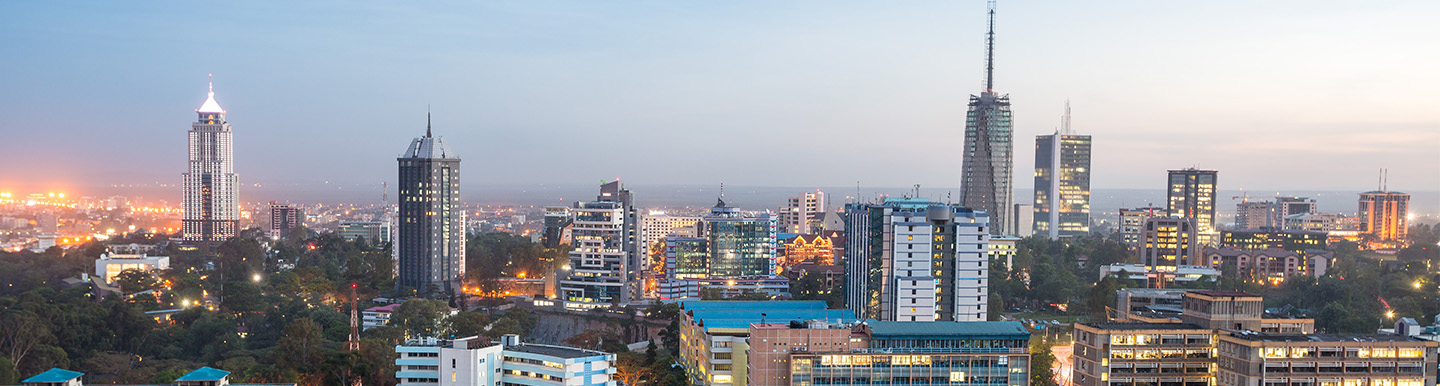
The Essential Nairobi Travel Guide
Considering a tropical travel destination that is modern, and filled with wildlife? Try Nairobi, Kenya, in East Africa.
The youngest, most modern and fastest growing city in East Africa, Nairobi is an exciting African destination marrying concrete jungle with pristine nature. If a less travelled destination is on your bucket list, consider Nairobi — the capital city of Kenya. This essential Nairobi travel guide from the Pan Pacific Serviced Suites Nairobi team will provide you with travel information that you need just before you travel.
Sign Up for Pan Pacific DISCOVERY
Join Pan Pacific DISCOVERY and unlock a wealth of benefits, with or without a stay. Enjoy exclusive member rates, specially curated Local Offers and Experiences, and access to our rewards currency, DISCOVERY Dollars (D$).
SIGN UP NOW
Why Should You Visit Nairobi, Kenya?
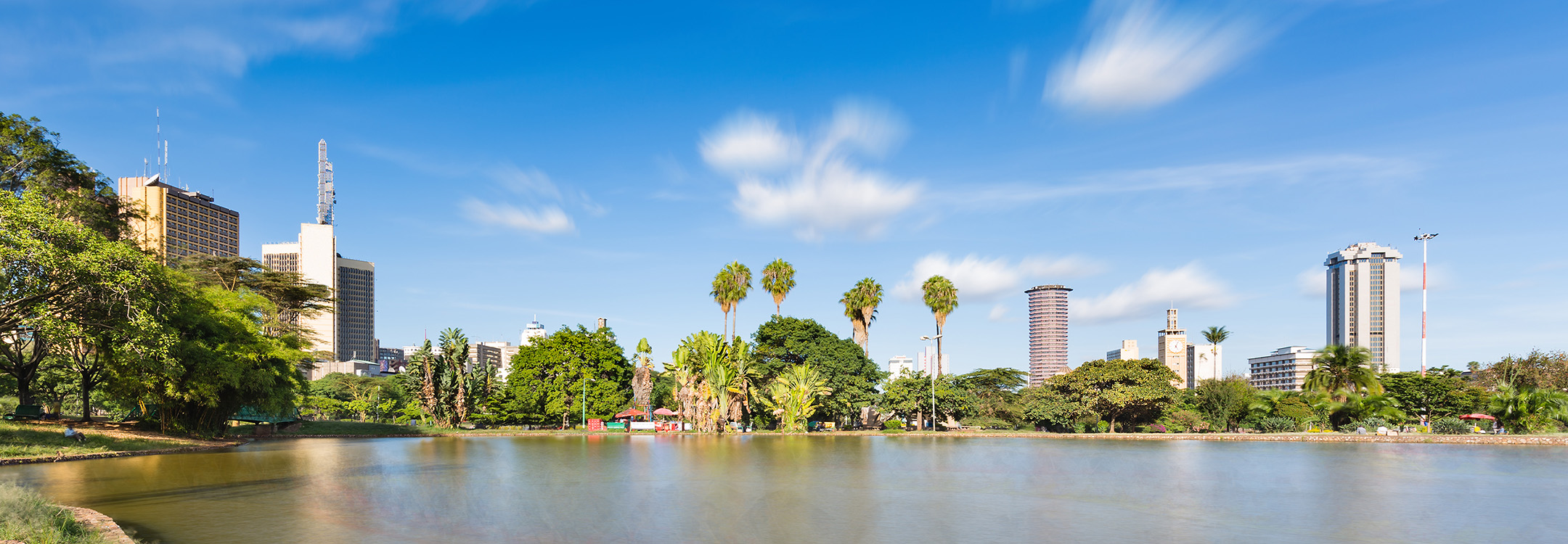
For intrepid travellers, Nairobi is known as the safari capital of Kenya. The vibrant city’s unique blend of tradition,modernity and natural attractions makes it a must-visit African city.
Popular activities include visiting its many wildlife attractions, museums, cultural performances, hiking trails and sprawling parks. Interestingly, Nairobi is the only capital city in the world with a national park right at its doorstep!
Indeed, if you are keen on immersing yourself in East African art, history, wildlife, music, traditional crafts, and nature, Nairobi has plenty to offer.
Getting Around Nairobi


There are several transportation options in Nairobi, including public transportation, rideshares, hiring private drivers, and even walking.
Public Transportation in Nairobi
Taxis are one of the more popular ways for tourists to get around Nairobi. Licensed taxis can be found on most street corners in the centre, main tourist attractions, and international hotels. If you are out enjoying the nightlife in the city, hailing a cab may be a safer option.
Do note that while the taxis run on meters, some drivers prefer to charge a flat rate. Before you get on, check that they will be running the metre and agree on a price first.
Private Taxis in Nairobi
Rideshare apps are an alternative to taxis. Apps such as Uber, Little Cab and Bolt are popular ways for visitors to navigate the city. Their prices may be lower than taxis and are relatively stress-free, as you can order your ride ahead of time rather than hail a taxi on the street. Most travellers to Nairobi are also familiar with how these apps work.
Renting a Car in Nairobi
If you spend close to a week in Nairobi and are a steady left-side driver, consider renting a car. Car rentals such as Avis and Europcar are reputable car hire companies to rent from, and they operate out of the Jomo Kenyatta International Airport. Roads in the city are well maintained but do note that those in the suburbs are significantly less so.
Approach the concierge for the best transportation service to engage if you are inclined to visit a safari.
Best Time to Visit Nairobi


Elevated 5,400 feet above sea level, Nairobi enjoys relatively warm temperatures all year round. December to March are cooler months. Do note that there are two rainy seasons — mid-March to May and October to December.
You can visit Nairobi any time of the year, but some periods work better if you have specific activities in mind. The dry months of June through October are the best time to view wildlife. As the season changes from Summer to Autumn, visitors can enjoy the stunning views of the animals throughout the bush in the warm Fall colours.
Nairobi is also home to many festivals and events running throughout the year. For music lovers, look out for the Madaraka Day Festival (a music festival held in the Summer) and the country’s longest-running music festival, as well as the Africa Music Festival held in the first half of the year.
What You Need to Know about the Kenyan Currency
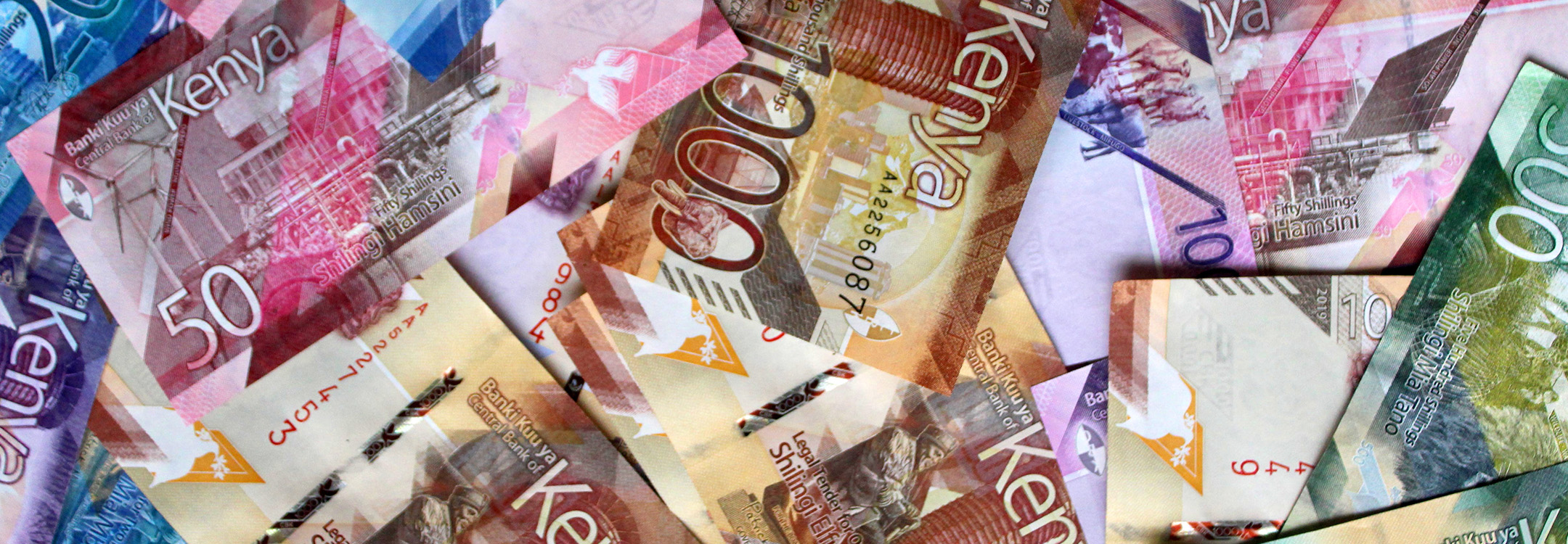
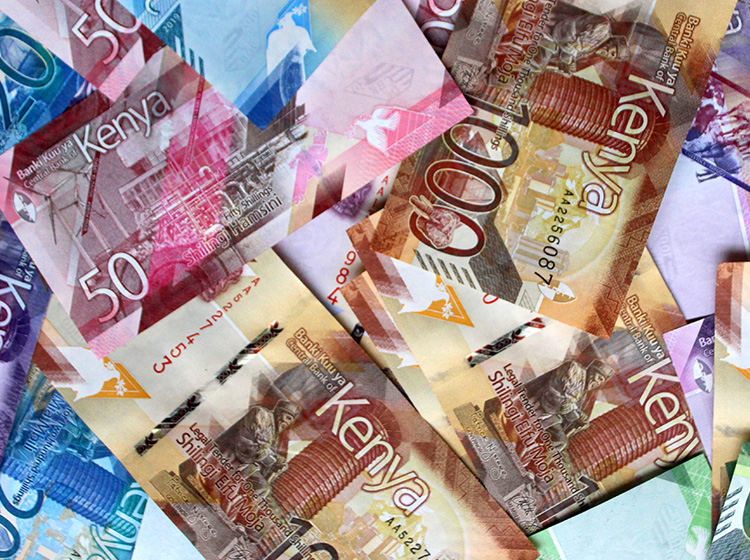
The currency in Nairobi is the Kenyan Shilling; each shilling is divided into 100 cents. If you want to exchange your local currency for the Kenyan Shilling, the currency code to look out for is KES.
Due to its rarity, you may not be able to exchange Kenyan Shillings in your country. Should that be the case, do bring along US Dollars (USD) to exchange them for Kenyan Shillings in Nairobi.
We recommend exchanging your currency at the banks to get better exchange rates. In Nairobi, the code KSh is used, and Kenyan banknotes are given in denominations of 10, 20, 50, 100, 200 and 1000. There are also Kenyan coins, which come in 1, 5, 10, 40 and 50 cents.
Is it Safe to Travel to Nairobi?


As the capital city of Kenya (one of the most developed African nations), Nairobi is a major tourist destination and draws travellers from around the world. While Nairobi is relatively safe, visitors must be mindful of their surroundings and belongings. Avoid venturing solo anywhere in the evenings and whenever possible, always travel with a companion. If budget allows, hire a local guide for added peace of mind.
Here are some tips for travellers to Nairobi for a safe, enjoyable holiday:
When travelling, either get a rideshare hire (so that you can share your ride details with friends or family), engage a registered taxi or approach the concierge
When changing money in Nairobi, do so inside a local bank and keep the money safe before going anywhere. Avoid converting money anywhere else.
As you travel to Nairobi, ask your doctor to prescribe Malaria pills as a precaution.
Do not walk the streets from evening onwards alone; if possible, always travel in a group.
Nairobi has designated smoking areas inside and outside of places, do make it a point to identify these spots.
Plan your activities based on rush hour traffic, which are between 6 am and 9am, and 5pm and 8pm, so you get to your destinations on time.
When out and about, avoid using your phones too much.
Carry your bags in front of you at all times. If you are carrying a backpack, carry it frontwards to avoid any chance of being pickpocketed.
Tap water in Nairobi is not advisable to drink without filtering or boiling. Visitors are advised to get bottled water for consumption.
View Offers

Rooms and Suites
Autumn Journeys
Celebrate the season with guaranteed room upgrades, dining benefits, and member exclusive savings.
More DetailsSelected Properties
Rooms and Suites

Rooms and Suites
The Club Privilege
Elevate your stays with up to 25% savings on Club Rooms & Suites
More DetailsSelected Properties
Rooms and Suites
Autumn Journeys
Celebrate the season with guaranteed room upgrades, dining benefits, and member exclusive savings.
More DetailsSelected Properties
Rooms and Suites
Rooms and Suites
The Club Privilege
Elevate your stays with up to 25% savings on Club Rooms & Suites
More DetailsSelected Properties
Destination Insights
Find Out More
Find Out More
Find Out More
-
Hotels and Resorts


-
Serviced Suites


-
Wellness and Lifestyle


Sign Up for Our Newsletter
Be the first to know about our exclusive deals.
Download Our Mobile App


Get the Latest from Our Socials

