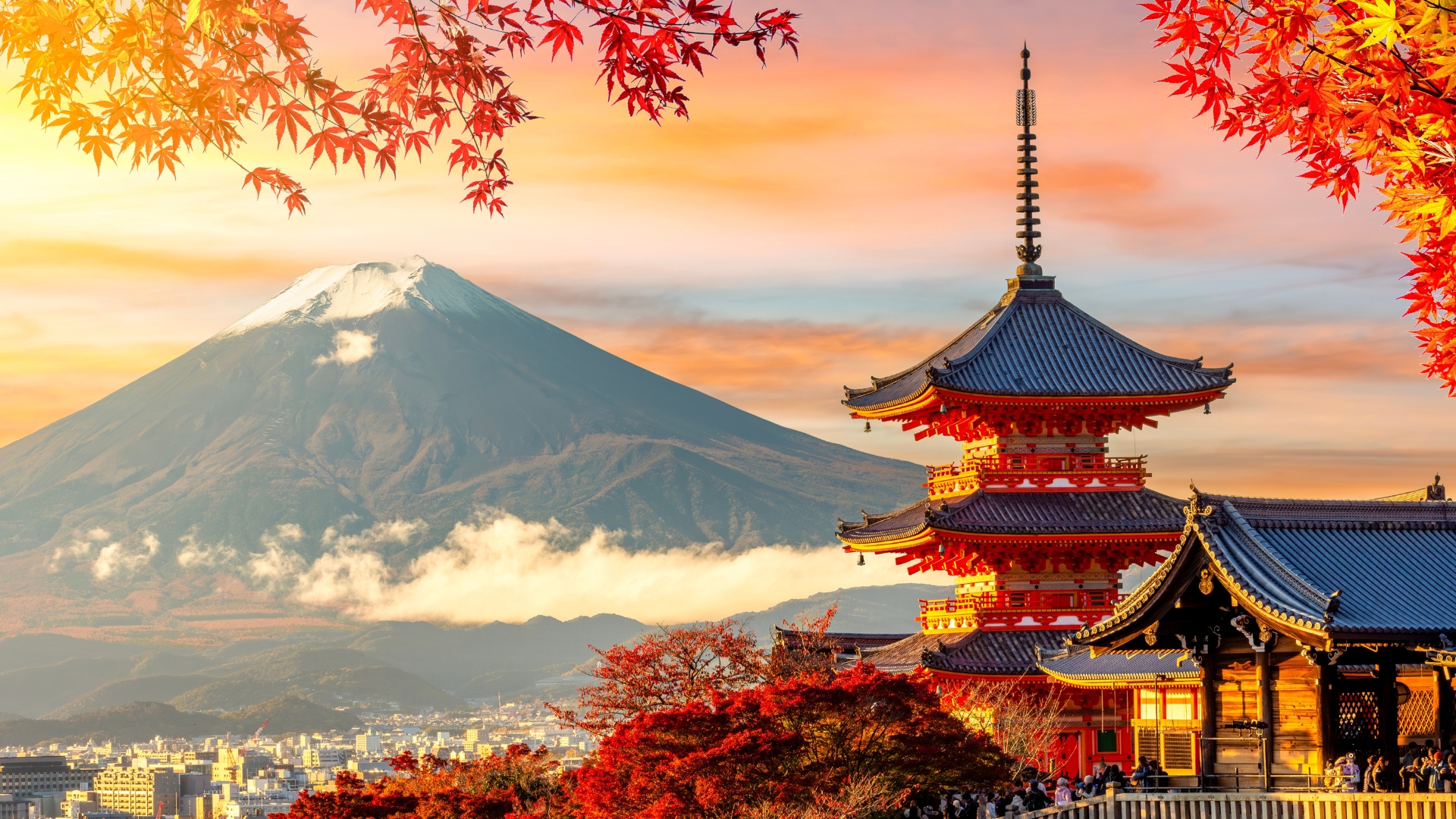
The streets of Kyoto are quieter, more deliberate, and layered with a richness that centuries of ritual, artistry, and spiritual devotion have quietly built over time. Where other Japanese cities chase the future, Kyoto tends to its past with extraordinary care, and the result is a destination that rewards slow, attentive travel above all else.
Within a city of roughly 1.5 million people, more than 1,600 Buddhist temples and Shinto shrines still serve as living places of worship rather than mere landmarks. Preserved machiya townhouses line entire districts, centuries-old geisha traditions continue in the ochaya teahouses of Gion, and a quietly sophisticated scene of local craft and refined dining runs through it all. Few cities in the world carry this much culture with this much grace.
For travellers arriving for the first time or the fifth, the question is seldom what to do in Kyoto, but rather where to begin. A district-by-district approach offers the clearest way in, allowing each neighbourhood to reveal its own particular character at a pace that suits the city's natural rhythm. The eastern districts, the city's living cultural traditions, and its central market life each tell a different chapter of the same enduring story.
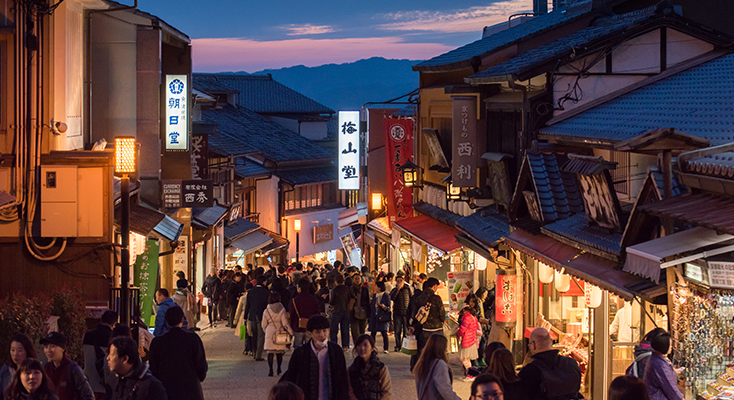
The Higashiyama district of Kyoto offers some of the most complete stretches of traditional urban scenery in Japan. The stone-paved lanes of Ninenzaka and Sannenzaka wind uphill between wooden shophouses selling lacquerware, matcha sweets and hand-painted fans, leading visitors steadily towards the great hillside temple of Kiyomizudera. The approach alone is one of Kyoto's defining walks.
Kiyomizudera's famous wooden stage extends 13 metres out over the hillside and is supported by 18 zelkova pillars, the largest of which stands approximately 12 metres high. Remarkably, the present structure, rebuilt in 1633, was constructed without a single nail, relying instead on traditional joinery and interlocking rails that have held firm through centuries of earthquakes and storms. The panoramic views across the city from this stage remain one of Kyoto's most quietly breathtaking moments.
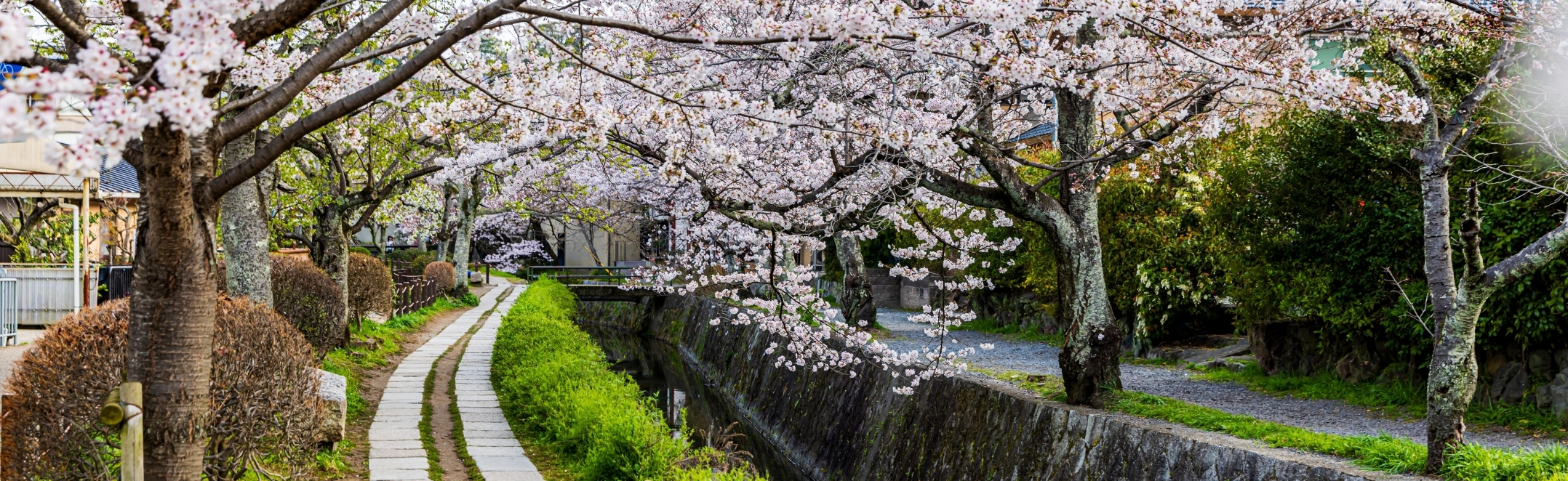
The Philosopher's Path, a stone-lined canal walkway that stretches nearly two kilometres through the northern reaches of Higashiyama, connects a string of smaller temples and neighbourhood shrines at a pace the district itself seems to encourage. Along the way, Nanzenji presents one of Kyoto's most imposing temple gates, the 22-metre Sanmon, and a garden of raked gravel and clipped pines that demonstrates the Zen aesthetic at its most considered. The surrounding sub-temples, several of which charge modest separate entry fees, are consistently less visited than the main precinct and reward the extra time.
Come dusk, the eastern districts shift into a register entirely different. The Gion neighbourhood's ochaya teahouse streets, particularly Hanamikoji-dori, take on a hushed formality as lanterns illuminate the facades of traditional machiya. Visitors who linger patiently along these streets at twilight may catch a glimpse of a maiko, an apprentice geisha, moving gracefully between engagements. This is a sight that remains one of Kyoto's most genuine and unhurried encounters.
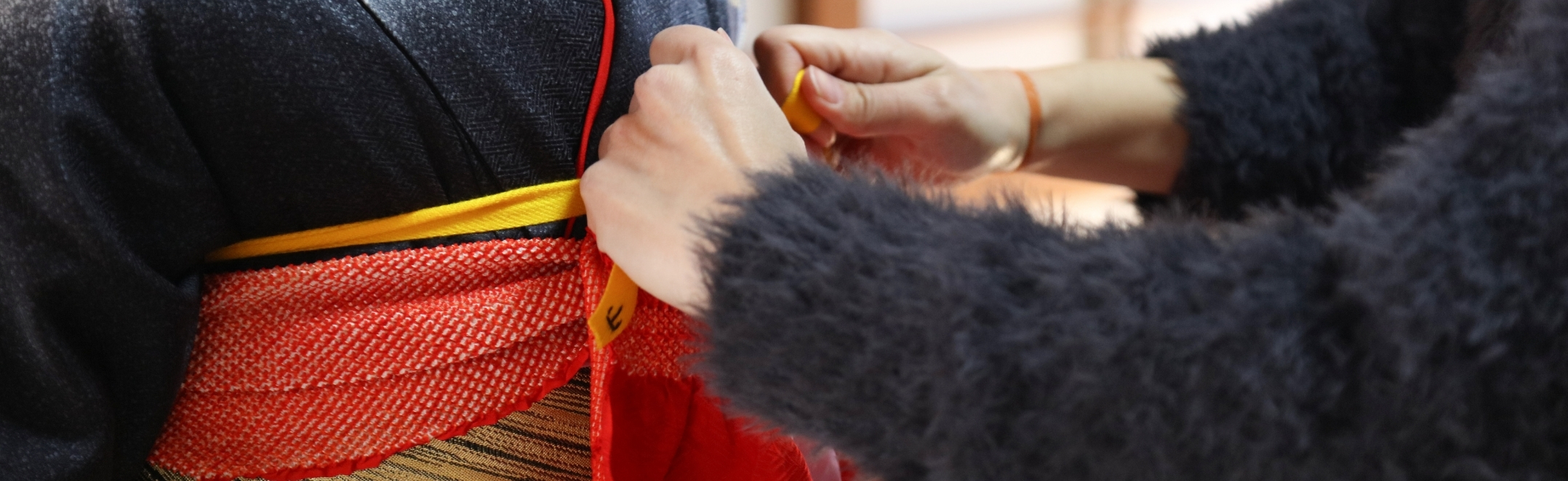
Kimono rental along the stone-paved slopes of Ninenzaka allows visitors to step into the visual language of the city's past, and the experience of walking these lanes in traditional dress—with the neighbourhood's low rooflines and bamboo fences framing each turn—is one that very few other places on earth could recreate. Tea ceremony participation in Higashiyama offers a still more contemplative register, with traditional machiya venues leading small groups through the etiquette of preparing and receiving matcha in sessions that are deliberately unhurried and approachable rather than intimidating.
For those interested in Kyoto's martial heritage, the Samurai Ninja Museum Kyoto, located in central Kyoto, offers an immersive look at armour, weapons and the everyday life of Japan's feudal warrior class. Exhibitions range from suits of armour worn by great samurai to the more covert tools of the ninja tradition, and guided experiences allow visitors to handle replica items and engage directly with the history.
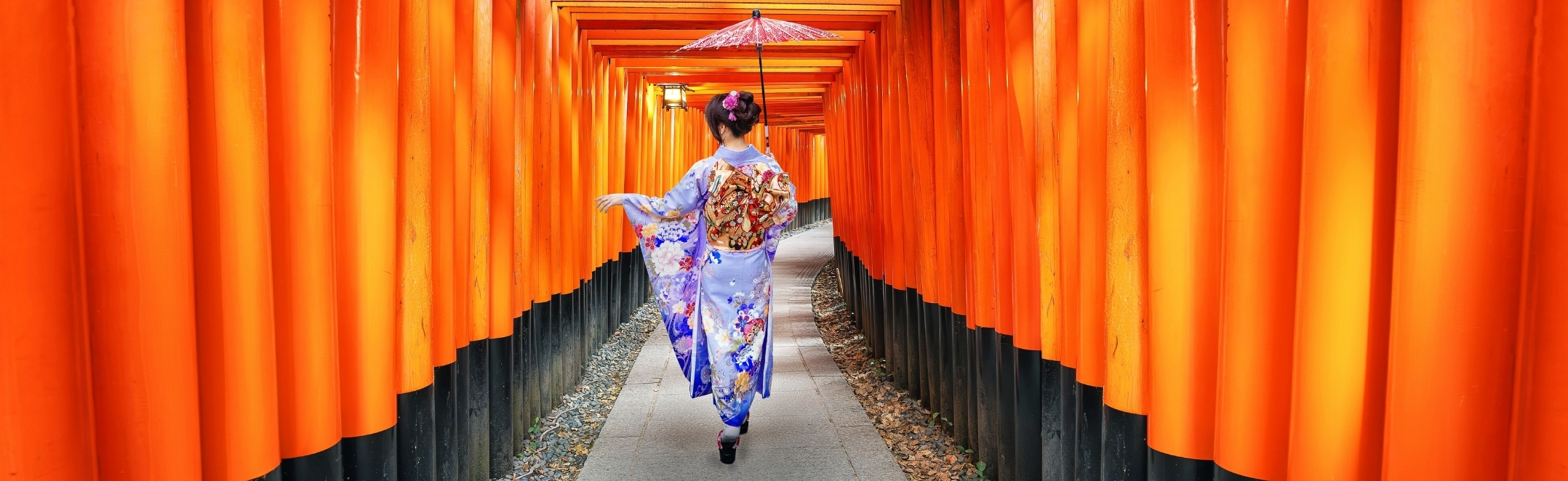
Some of Kyoto's most compelling cultural experiences require active participation. An early-morning visit to Fushimi Inari Taisha, the great Shinto shrine in the city's south, rewards those who arrive before the main crowds (it gets crowded from 9am onwards). Approximately 10,000 vermilion torii gates form winding tunnels up the slopes of Mount Inari across a four-kilometre trail, with the most photographed section, the senbon torii, creating a dense corridor of overlapping red frames that intensifies the further one climbs.
Nishiki Market, running for approximately 400 metres through the heart of central Kyoto near Karasuma Station, has served the city's kitchens for over four centuries. The arcade, affectionately known as Kyoto's Kitchen, stretches across five blocks and houses more than 100 shops and stalls offering fresh seafood, seasonal pickles, Japanese sweets, tofu specialities and hand-crafted knives. A slow, unhurried walk along its length provides a direct and flavourful window into the textures of daily life in Kyoto.
Together, Fushimi Inari Taisha and Nishiki Market represent two of Kyoto's most participatory experiences. One demands an early alarm and a willingness to climb, the other best approached slowly, with an empty stomach and no fixed agenda. Neither requires advance booking, nor does it belong to a single season, and both reward the visitor who arrives with curiosity rather than a checklist. They are, in that sense, entirely in keeping with the city that surrounds them.
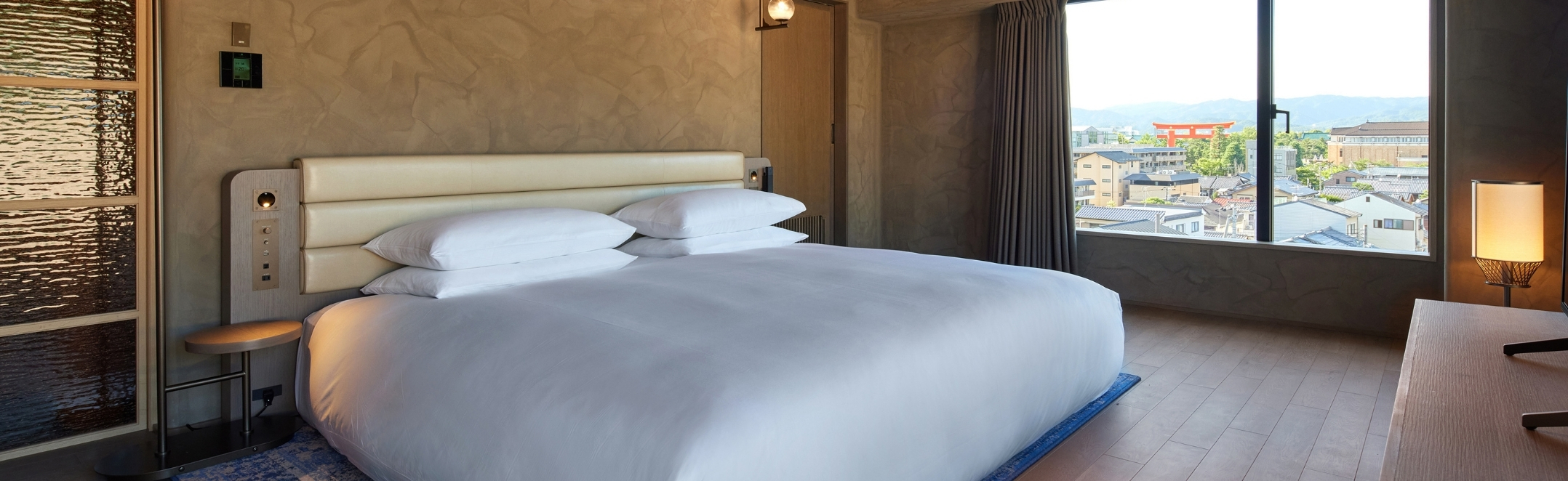
For those who want to experience Kyoto's eastern districts at their most genuine pace, THE HOTEL HIGASHIYAMA KYOTO TOKYU, A Pan Pacific Hotel, offers a considered base in the very heart of it all. Set within Higashiyama Ward itself, our 143-room property was designed to revive the art of ryokan hospitality, drawing on the preserved feudal streetscape that surrounds it as a natural extension of the guest experience.
Rather than positioning you in the busier commercial centre, our location in Higashiyama offers something genuinely different: the quiet residential character of the ward in the evenings, the sound of the neighbourhood settling after the day's visitors have departed, and an unhurried proximity to Gion's teahouse streets and the Ninenzaka and Sannenzaka lanes that most travellers only pass through briefly. Private onsen baths, an outdoor foot spa, and a restaurant and bar invite you to slow down and let Kyoto's particular pace become your own.
Fushimi Inari Taisha and Nishiki Market are both comfortably reachable by a short bus or taxi ride from the property, leaving each day open and unhurried. At THE HOTEL HIGASHIYAMA KYOTO TOKYU, A Pan Pacific Hotel, we look forward to welcoming you to one of Japan's most extraordinary settings.

Enter Title
-
Hotels and Resorts


-
Serviced Suites


-
Wellness and Lifestyle


Sign Up for Our Newsletter
Be the first to know about our exclusive deals.
Download Our Mobile App


Get the Latest from Our Socials

