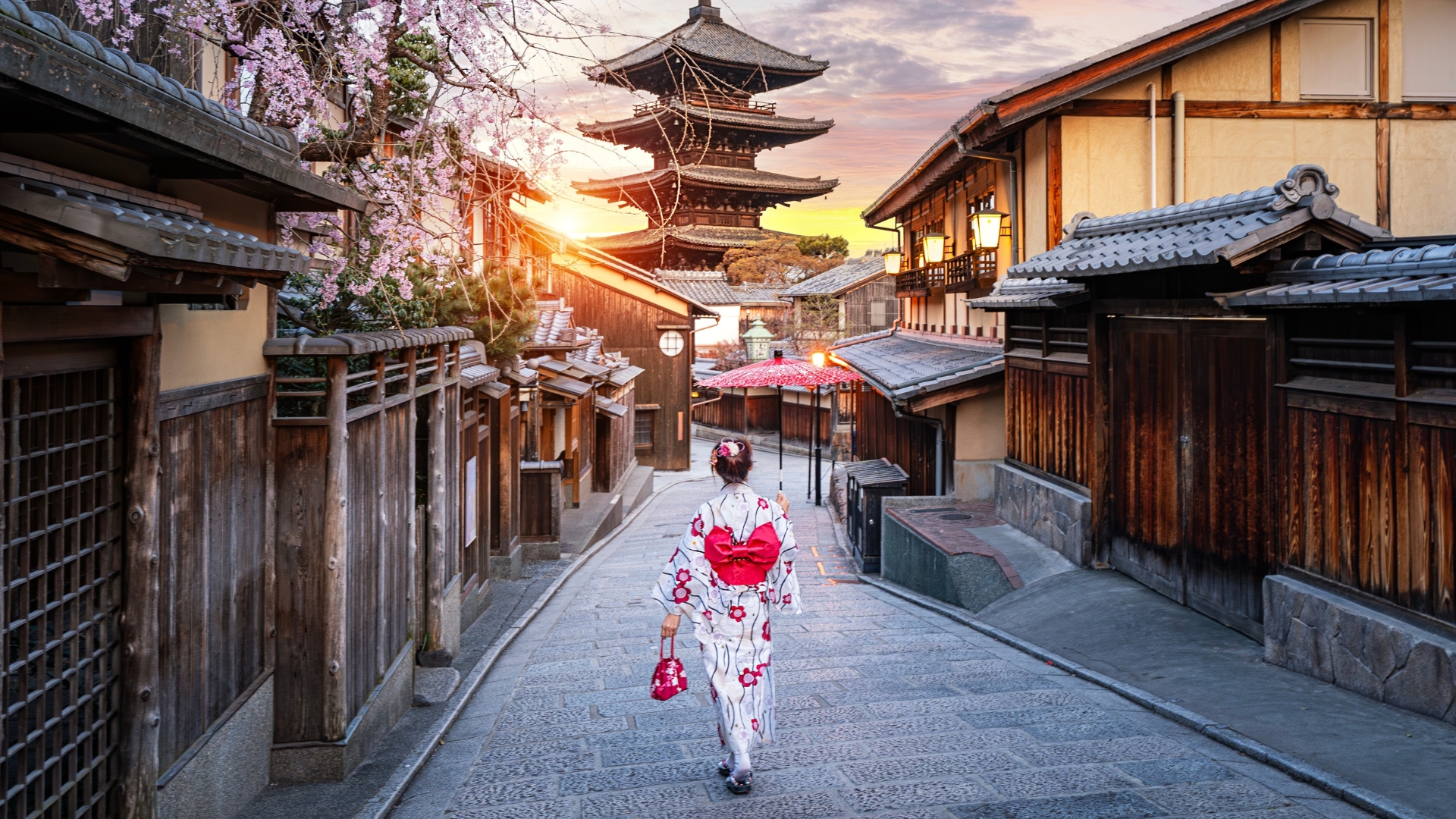
Exploring a Less Crowded Kyoto
Kyoto is one of the most visited cities in the world, and in recent years, the tension between its enduring appeal and the pressures of mass tourism has become impossible to ignore. Narrow lanes that once offered quiet contemplation now fill by mid-morning, and the most iconic landmarks can feel more like queuing exercises than cultural encounters. But the city has not changed, only the way most people move through it has. Kyoto still offers the experiences it has always offered, and they remain as extraordinary as ever for those who know when and how to find them.
The difference between a crowded Kyoto and a transcendent one is rarely a matter of which sites you visit. Almost every visitor to the city walks the same torii gates, photographs the same bamboo grove, and lingers on the same teahouse street in Gion. What separates the experience is timing. Arriving before 8am at Fushimi Inari, reaching Arashiyama while the light is still low, stepping into Gion after the last tour bus has gone. These are not insider secrets. They are simply choices that require a little more intention than booking the same itinerary as everyone else.
Where you stay shapes all of it. A hotel in the city centre places you at a convenient distance from everything and an intimate distance from nothing. A base within Higashiyama Ward changes the geometry of the trip entirely: the neighbourhood's lanes are outside the door at any hour, Gion is a short evening walk away, and the early starts that unlock Kyoto's best experiences are far easier when you are already inside the city's most rewarding district. In Kyoto, proximity to the right neighbourhood is the single most practical decision a traveller can make.
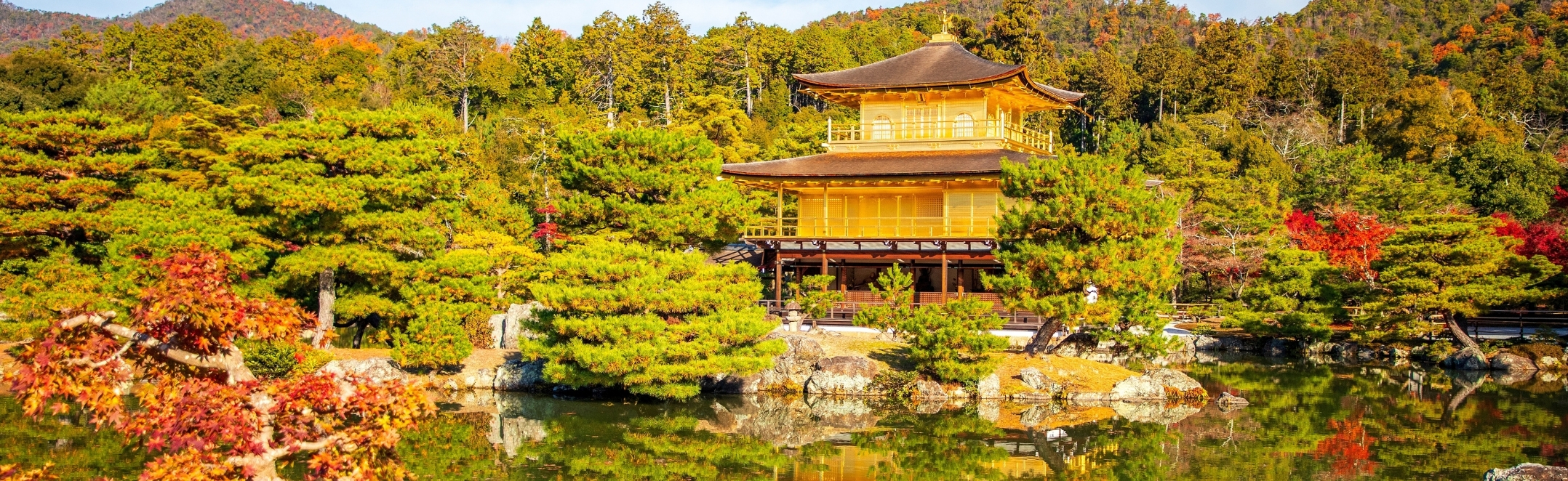
Kinkakuji (pictured above) is most striking on a clear morning when its gold-leaf exterior and its reflection in Kyokochi Pond align in near-perfect symmetry. The stroll garden’s composition is designed to reveal, from multiple angles, a circuit most visitors cut short. Nijo Castle's nightingale floors produce a delicate chirping underfoot that no amount of prior reading fully prepares a visitor for. Kimono rental along Ninenzaka and tea ceremony in a Higashiyama machiya carry more weight outside peak hours, when sessions are smaller, and the surrounding streets are quieter. Nishiki Market is best visited in the morning, before the lunch crowd arrives.
Kyoto's cherry blossom and autumn foliage seasons are the most visited and most rewarding periods in the city's calendar. This is provided that timing is managed carefully. Maruyama Park in spring and Tofukuji's Tsutenkyo Bridge and Eikando's illuminated maple pond in November draw enormous numbers at peak colour; arriving before 8am consistently yields a better experience. The quieter seasonal encounters are often the most lasting: a single weeping cherry at a lesser-visited Higashiyama temple, or maple leaves drifting onto a Zen garden's raked gravel, seen through a paper screen. These are the details that distinguish a well-timed visit from one spent navigating bottlenecks.
What the landmarks and the seasons share, ultimately, is that they reveal themselves most fully to those who arrive with patience rather than a schedule. Kyoto has been offering these moments for centuries, and they have not diminished. The golden pavilion at first light, the cherry petal on still water, the quiet corridor of torii were there before the crowds. The city asks only that visitors meet it on its own terms: early, unhurried, and willing to linger a little longer than the itinerary suggests.
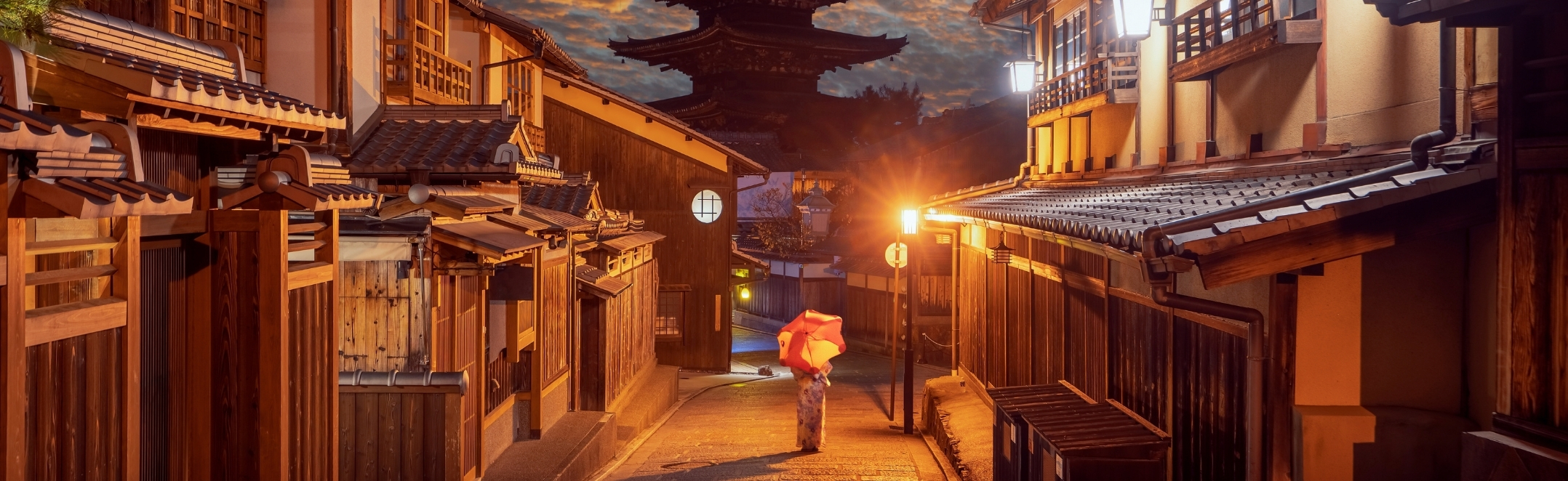
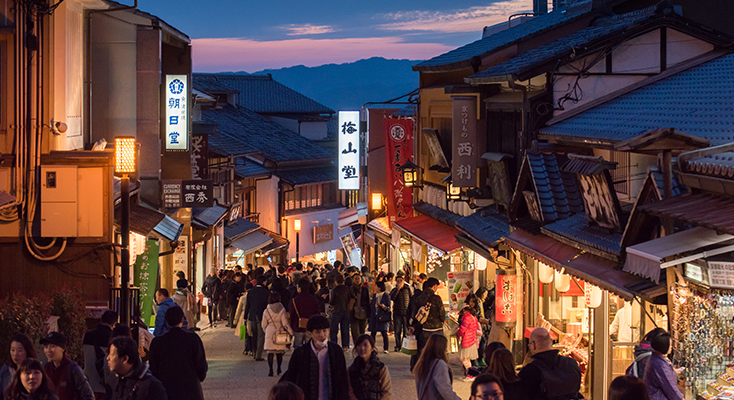
Gion's Hanamikoji-dori fills with day-trippers by late morning and empties again by evening, and it is in that second state that the street becomes what most visitors are hoping to find. The lantern-lit machiya facades, the ochaya teahouses receiving guests behind closed doors, and the occasional maiko moving quietly between engagements. These are experiences that belong to the evening hours, after the buses have left and the neighbourhood has returned to itself. Guests based in Higashiyama can walk to Gion after dinner without worrying about transport schedules or last trains and find the street at its most genuinely atmospheric.
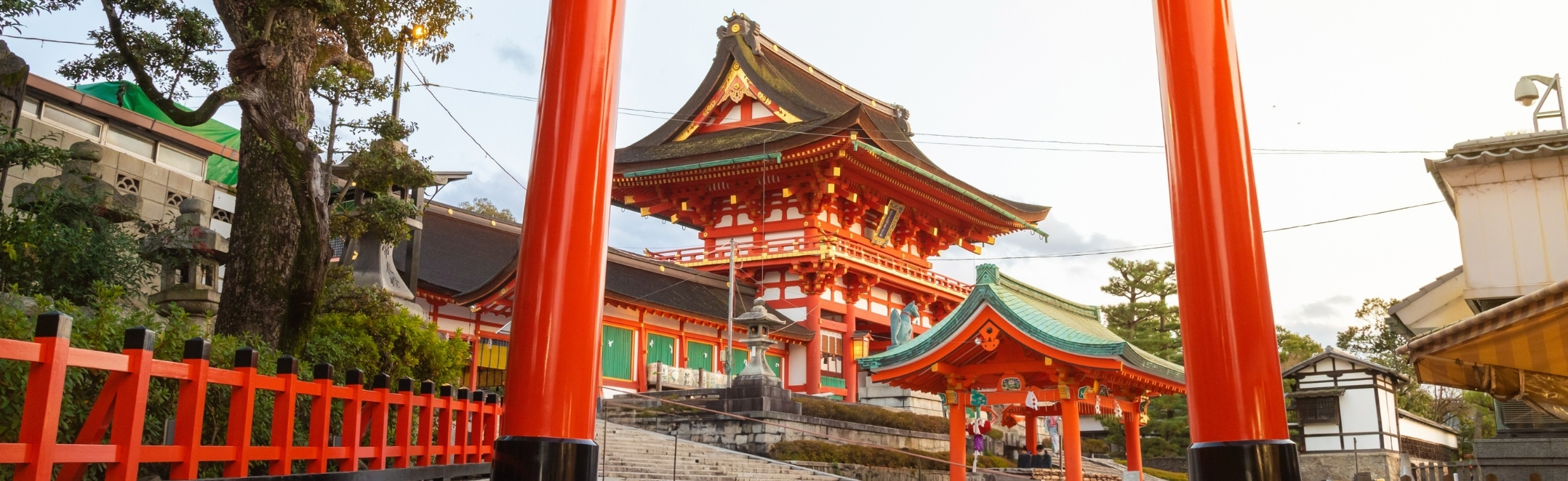
Fushimi Inari Taisha is at its most powerful in the early morning, and the difference an hour makes is considerable. The lower precincts and the famous senbon torii fill quickly from 9am onwards, when tour groups arrive in volume, and the stepped approach grows genuinely congested. Arrive before 8am, and the experience is categorically different: cool air, the smell of incense and cedar, and long corridors of vermilion gates with almost no one in them. The upper trail beyond the main torii section is always quieter, and continuing past the point where most visitors turn back rewards those willing to climb with solitude and a sense of scale.
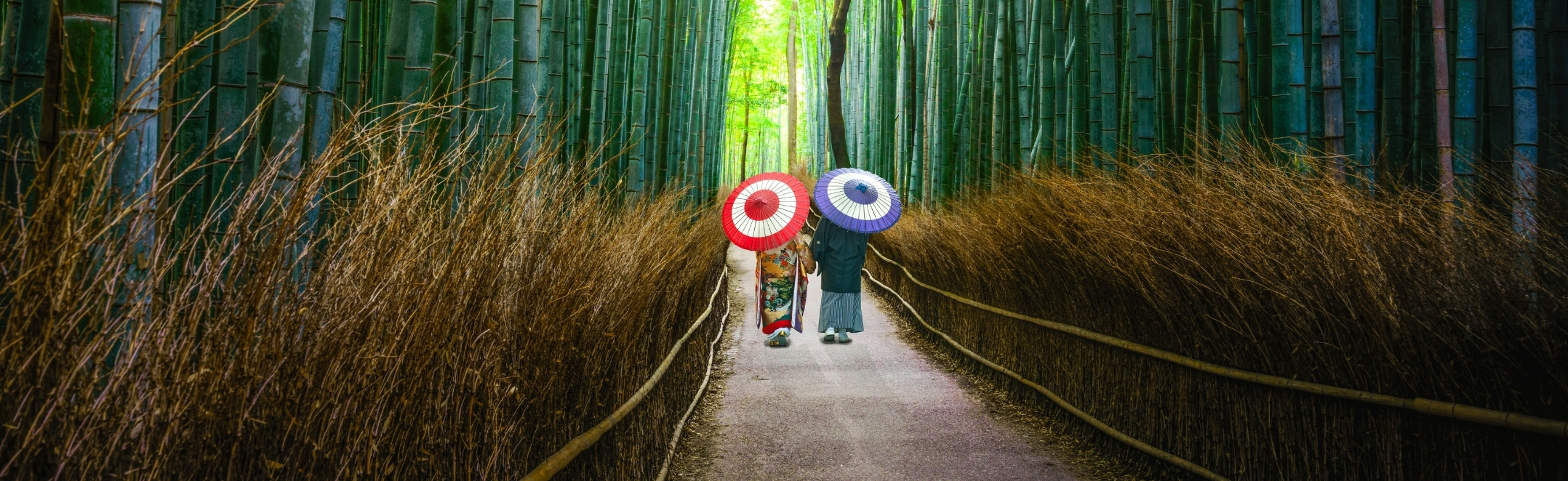
The Arashiyama Bamboo Grove is best experienced before 7am, when the light is still low and angled through culms that reach 20 metres overhead, and the path is quiet enough to hear the canopy move in a light wind. By 9am, the main path is busy; by 10am the atmosphere the grove is known for has largely dissolved into crowd noise. Immediately after the grove, Tenryuji's UNESCO-listed Zen garden has been tended continuously since the 14th century and rewards an unhurried visit before the main flow of visitors arrives. A rickshaw ride through the broader district in the early morning completes the picture.
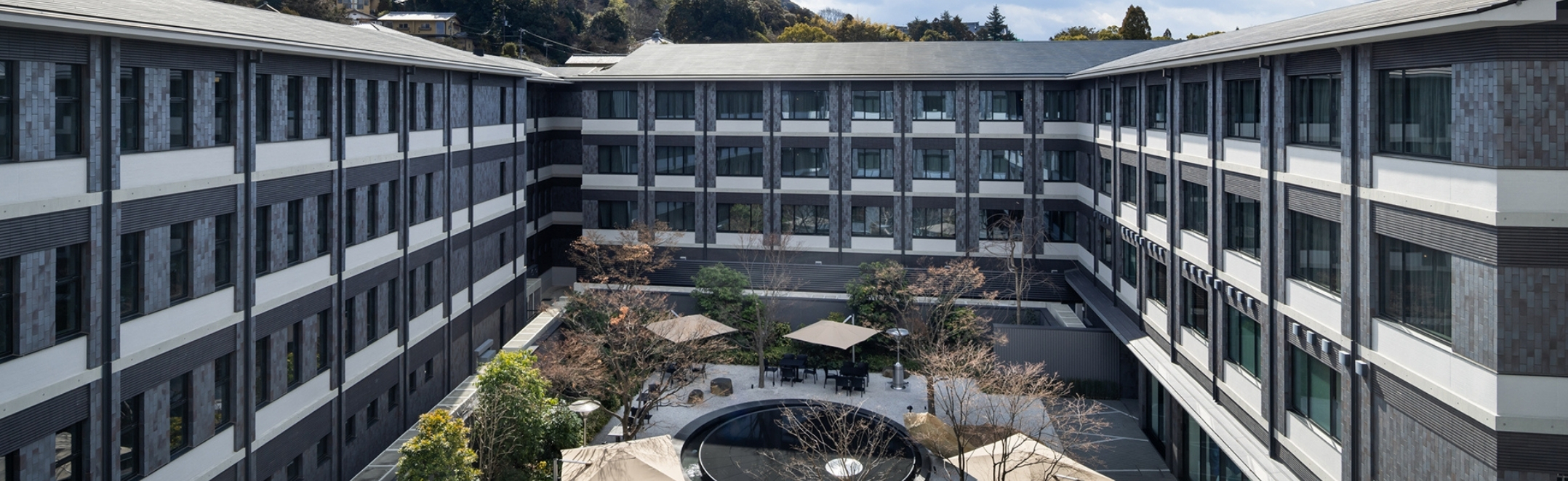
At THE HOTEL HIGASHIYAMA KYOTO TOKYU, A Pan Pacific Hotel, our location within Higashiyama Ward is itself the most practical asset for seeing Kyoto well. The early starts that make Fushimi Inari and the Bamboo Grove worthwhile are far easier when you are already sleeping inside the city's most rewarding district. The evening hours in Gion that day-trippers cannot access are available to every guest, every night. There are no last trains to catch, no surge-priced taxis to negotiate. It’s only a short walk back through lanes that grow quieter and more beautiful the later the hour becomes.
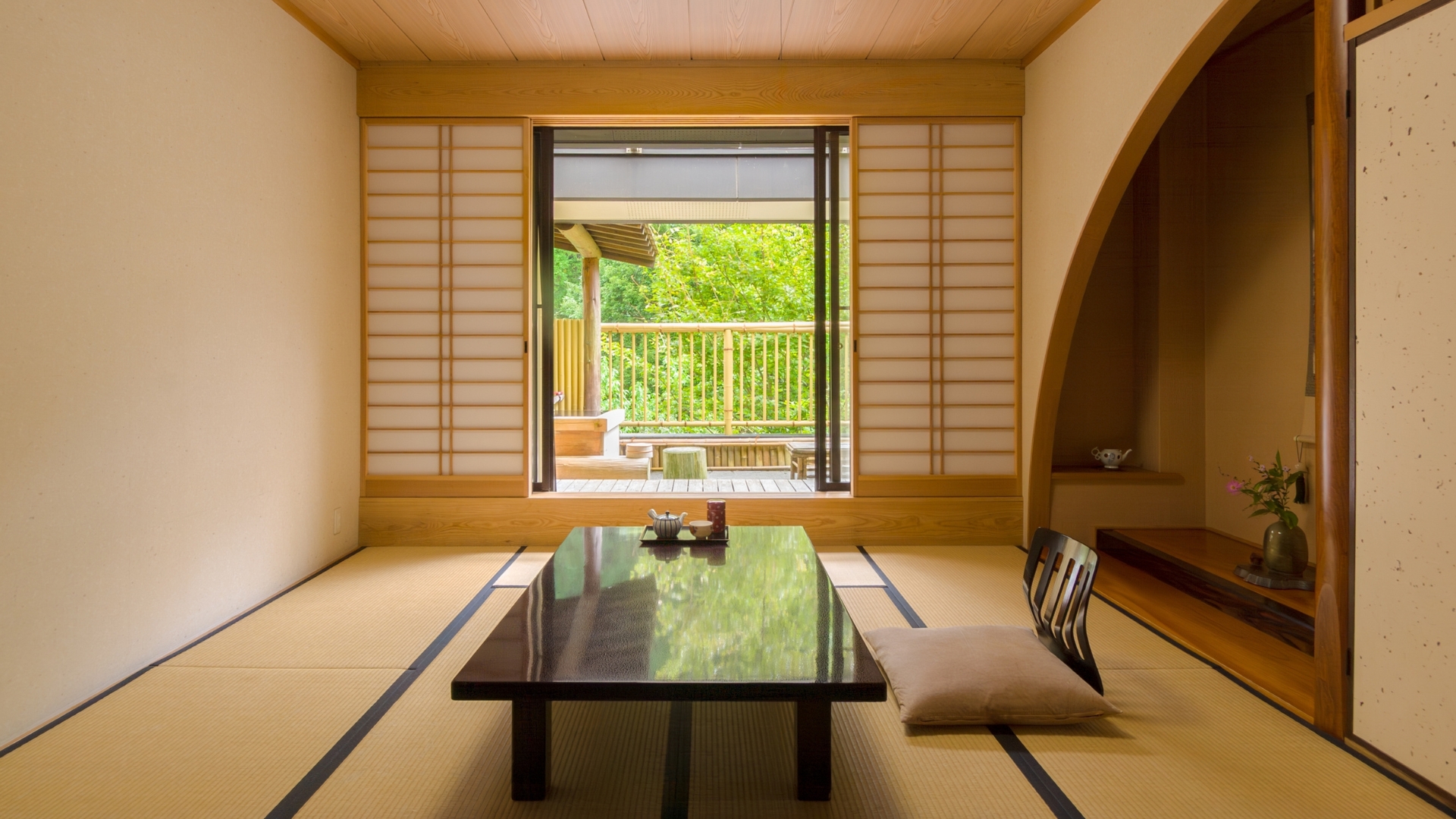
Our 143-room property was designed to revive the art of ryokan hospitality, drawing on the preserved feudal streetscape of Higashiyama Ward as a natural extension of the guest experience. Private onsen baths, an outdoor foot spa, and a restaurant and bar grounded in seasonal Kyoto produce invite guests to slow down between excursions and let the city's particular pace become their own. The neighbourhood's machiya facades, temple rooflines and stone-paved lanes are part of it, available at any hour, in any weather, without a booking or a queue.
Kyoto does not reward rushing, and neither do we. Whether you arrive for the cherry blossoms, the autumn maples, or simply to understand why this city has commanded the world's attention for over a thousand years, the difference a well-chosen base makes is felt on the very first morning. Take in the quiet of an early walk through Ninenzaka before the city wakes, or in the particular stillness of Gion on a weeknight after rain. These are the experiences that make a visit to Kyoto genuinely memorable, and they begin the moment you step outside our door.

Enter Title
-
Hotels and Resorts


-
Serviced Suites


-
Wellness and Lifestyle


Sign Up for Our Newsletter
Be the first to know about our exclusive deals.
Download Our Mobile App


Get the Latest from Our Socials

