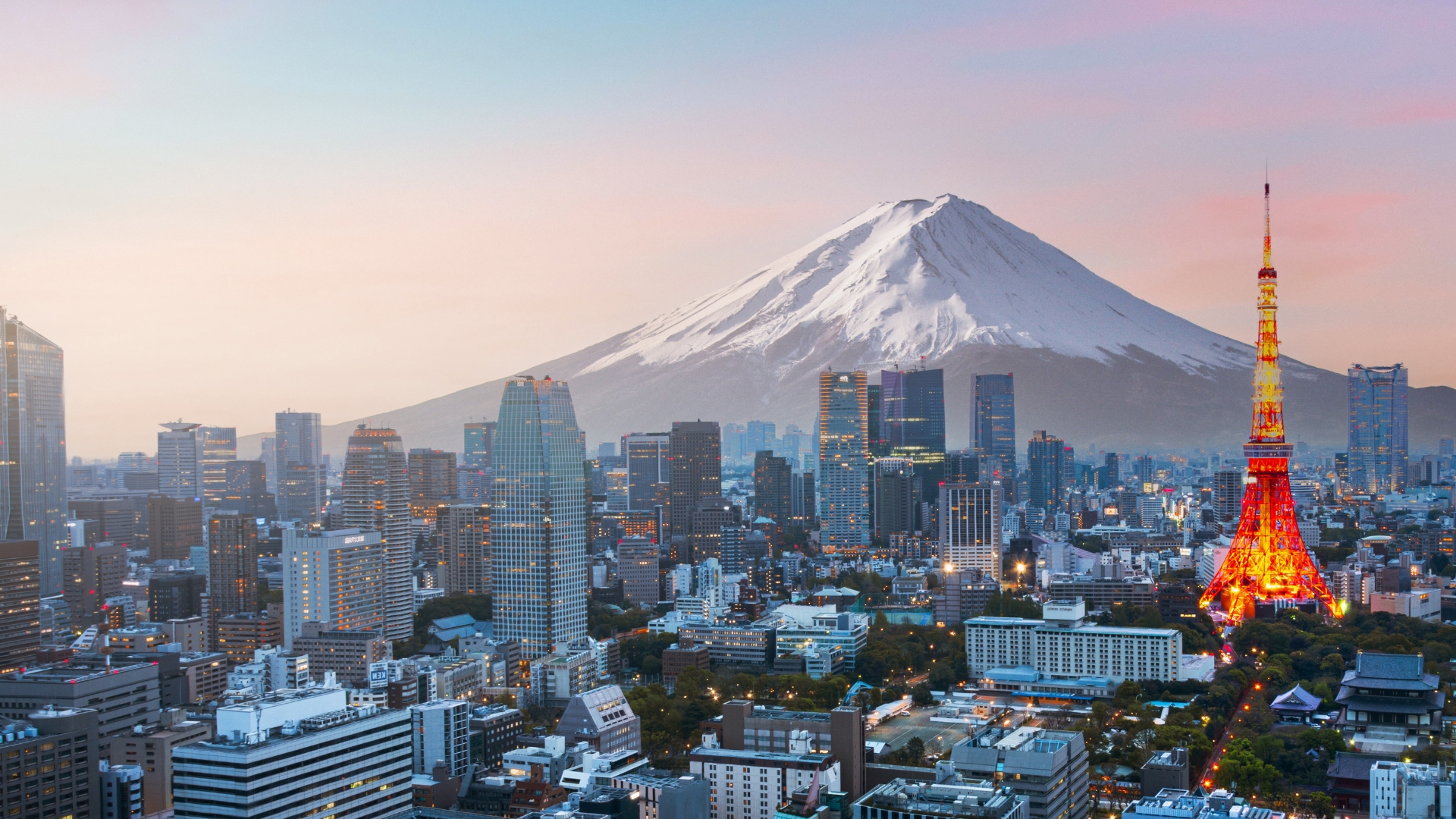
Shinjuku Station is one of the busiest transit hubs on earth, and that is precisely what makes it such a remarkable starting point. More than 200 train lines and services converge here, and from a single platform, a traveller can be standing before an 800-year-old bronze Buddha, gazing across a volcanic crater or breathing the salt air of a harbour city, all before dinner. Tokyo rewards those who stay within its boundaries, but it rewards those who leave just as generously.
The Kanto region, fanning out from Tokyo, is home to some of Japan's most varied landscapes. Within two hours by rail, the terrain shifts from urban density to mountain forest, coastal bluff, ancient cedar grove and working fishing port. Each destination carries its own texture and rhythm, distinct enough that three consecutive day trips can feel like three different countries. The rail network connecting it all is punctual, comfortable, and straightforward for first-time visitors to navigate.
What follows is a guide to three distinct day-trip categories from central Tokyo, each reachable from Shinjuku without a car, a tour group, or an early alarm. The destinations span nature and volcanic landscapes, ancient temples and UNESCO World Heritage Sites, and a harbour city that rewards slow, unhurried exploration. All return journeys bring travellers back to Shinjuku in time for a late dinner.
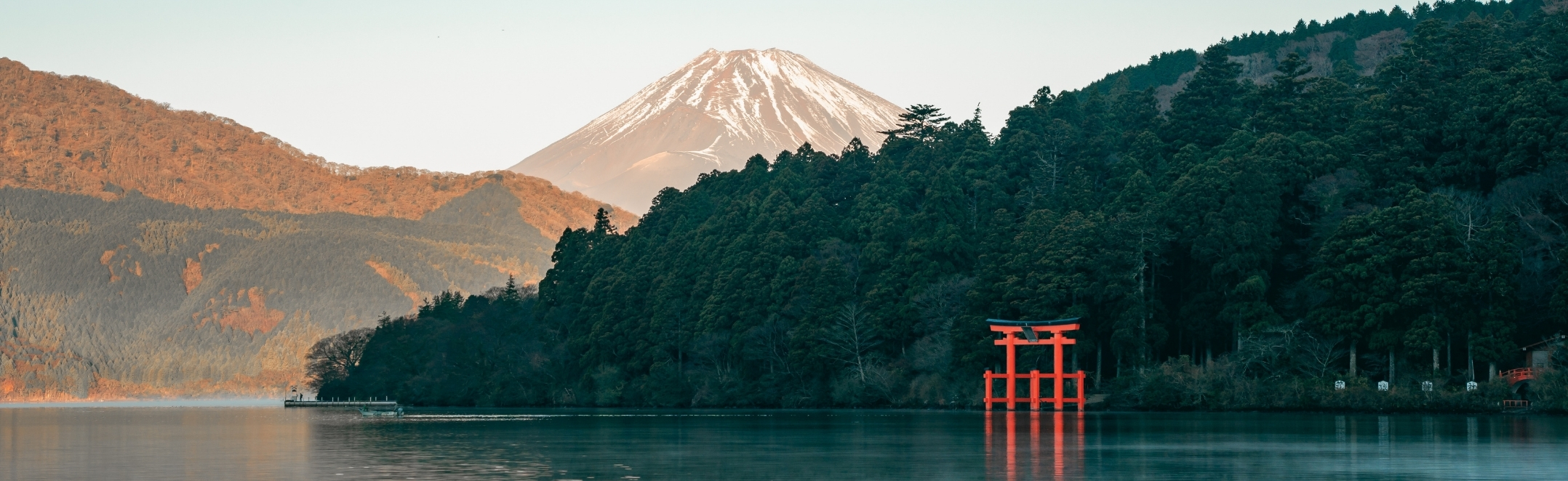
Hakone sits roughly 90 minutes from Shinjuku on the Odakyu Romance Car, a limited express with reserved panoramic seating that makes the journey itself feel like the beginning of the experience. The volcanic landscape around Owakudani, a still-active crater valley where sulphurous vents steam from the hillside, is unlike anything within the city's orbit. Black eggs slow-cooked in the mineral springs are the local speciality, and eating one while overlooking the crater is an entirely non-negotiable part of the day.
Lake Ashinoko anchors the southern end of Hakone and, on clear days, frames a direct view of Mt Fuji across the water. A sightseeing boat crossing the lake connects to the Hakone Ropeway, which rises over the volcanic ridge with views across the entire region. The Hakone Free Pass, available from Shinjuku Station, covers the Romance Car, ropeway, lake crossing, cable car, and local buses with a single purchase, removing all transport planning for the day.
For those whose priority is Mt Fuji itself, Lake Kawaguchiko in the Fuji Five Lakes area offers the most celebrated views of the mountain's north face. The Chureito Pagoda at Arakurayama Sengen Park, reached by a steep stone staircase through cedar trees, frames Mt Fuji behind a five-storey red pagoda in one of Japan's most photographed compositions. The Fuji Excursion limited express runs directly from Shinjuku to Kawaguchiko in approximately 105 minutes.
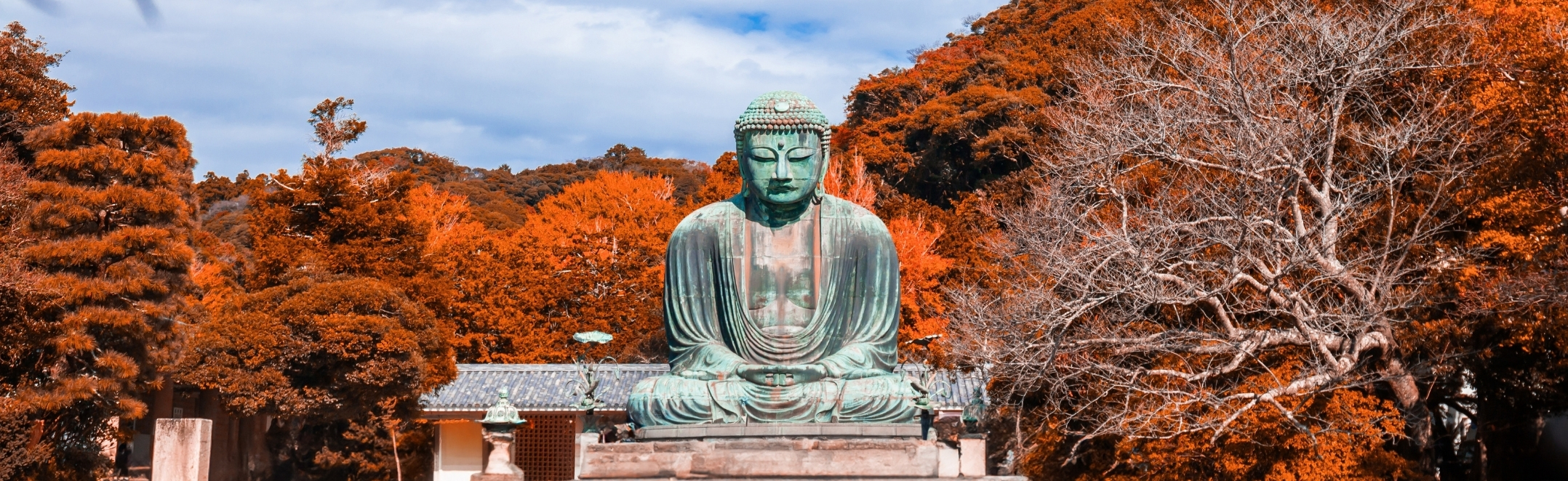
Kamakura is an hour from Shinjuku by direct train, and the journey brings an immediate shift in atmosphere: the air carries the scent of Sagami Bay, temple bells mark the quarter hour, and the streets narrow into paths flanked by bamboo and stone lanterns. The town served as Japan's political capital in the 12th and 13th centuries, and the density of temples, shrines and historical monuments within a relatively compact area makes it one of the most rewarding single-day cultural destinations in the country.
The Great Buddha of Kamakura at Kotoku-in Temple is the defining image of the town: a 13.35-metre bronze figure seated in the open air, having outlasted the wooden hall that once enclosed it. The hollow interior can be entered for a small additional fee. Hasedera Temple, a short walk away, offers hillside gardens and a wooden eleven-faced Kannon statue among the tallest of its kind in Japan, with views across the rooftops toward the coast.
Nikko, two hours north of Tokyo on the Tobu Nikko Line, offers an entirely different register of historical grandeur. The Toshogu Shrine complex, a UNESCO World Heritage Site, is one of Japan's most ornate places of worship, with its buildings covered in lacquer, gold leaf, and intricate carved reliefs depicting animals, mythological figures, and floral motifs. The surrounding cedar forest, some trees over 400 years old, lends the entire precinct a hushed solemnity that contrasts sharply with the visual extravagance of the shrines themselves.
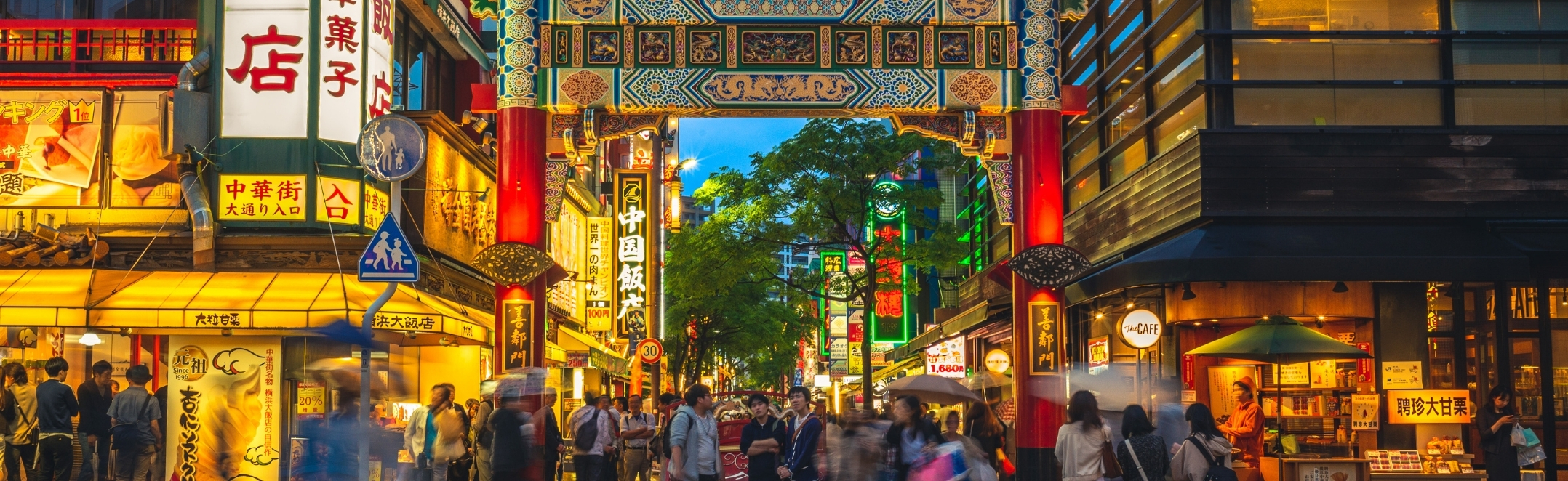
Yokohama is only 30 minutes from Shinjuku on the Shonan-Shinjuku Line and is often overlooked by visitors who assume it is simply an extension of Tokyo. In practice, it is a city with a distinct identity shaped by its history as Japan's first major international port, opened to foreign trade in 1859. The Minato Mirai waterfront district clusters galleries, restaurants and the iconic Cosmo Clock 21 Ferris wheel along a revitalised harbour front, with the city skyline reflected in the bay.
Yokohama Chinatown is the largest in Japan and one of the most atmospheric urban eating districts in the country, occupying a dense grid of streets behind ornate painted gates. Dim sum houses, Cantonese bakeries and roast meat shops line the lanes from mid-morning onward. A short walk from Chinatown, Yamashita Park runs along the harbour waterfront, with the retired ocean liner Hikawa Maru moored alongside as a floating museum.
For those with a particular appetite for the unexpected, the Cup Noodles Museum in the Minato Mirai precinct is earnestly enjoyable: visitors can design and package their own instant noodle cup in a hands-on workshop, and the exhibits trace the invention of instant ramen with surprising depth. Osanbashi Pier, a short walk along the waterfront, offers the finest free view of the Yokohama skyline and is a fittingly unhurried place to end the afternoon before the train back to Shinjuku.
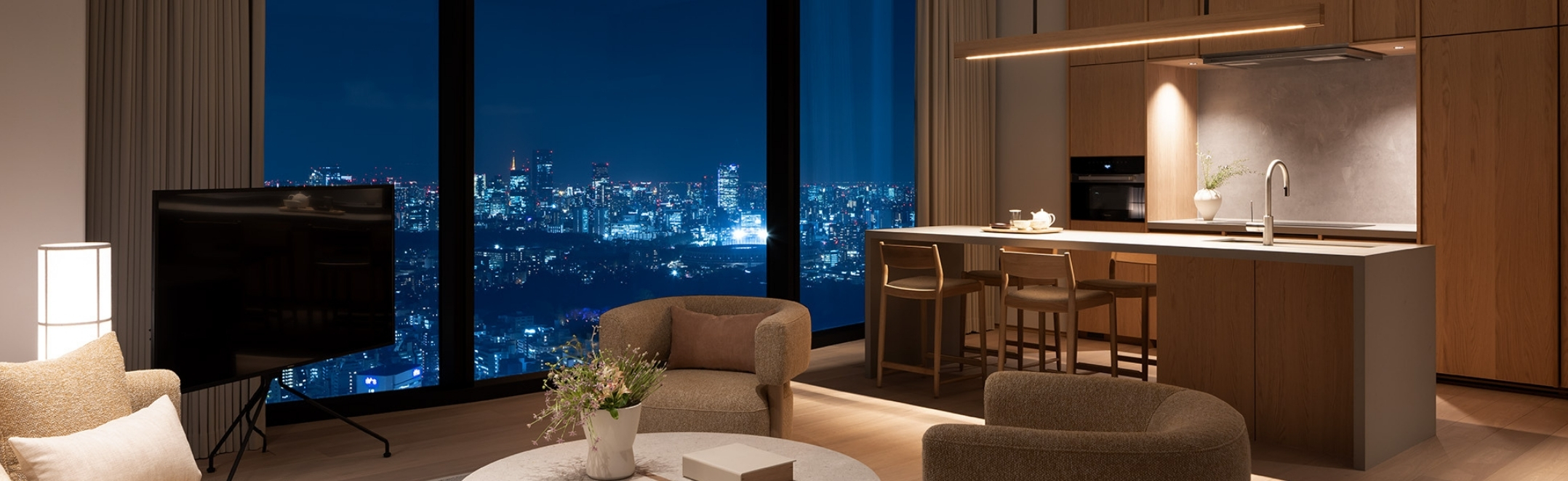
Every one of these journeys begins and ends at Shinjuku Station, and that is where we are waiting. Whether the plan is a single-day trip or a week of departures across the Kanto region, the question of where to stay answers itself when the base is this close to the platform.
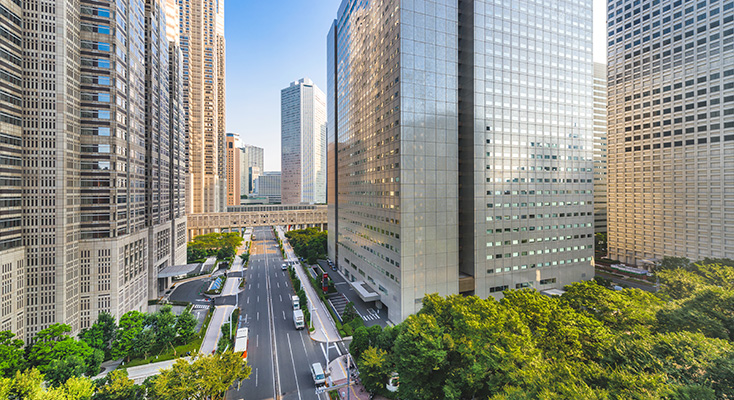
At BELLUSTAR TOKYO, A Pan Pacific Hotel (pictured above), the experience of returning from a full day outdoors is one of the hotel's quiet pleasures. Upper-floor rooms look out over the Shinjuku skyline, and the Pacific Club floors provide personalised service for guests who want their return to feel as considered as their departure. Pan Pacific's sincere, gracious hospitality sets a tone that makes even a long day in Hakone's volcanic valleys feel effortlessly managed from end to end.
Cerulean Tower Tokyu Hotel brings a quieter register to the same well-connected area. Situated in Shibuya, a short ride from Shinjuku Station, the property is a Pan Pacific partner hotel offering refined rooms, a jazz club and traditional Japanese garden views that provide genuine respite after a full day in Nikko's cedar groves or along Yokohama's harbour front. For guests who prefer a calmer atmosphere at the close of each day, Cerulean Tower is the considered choice.
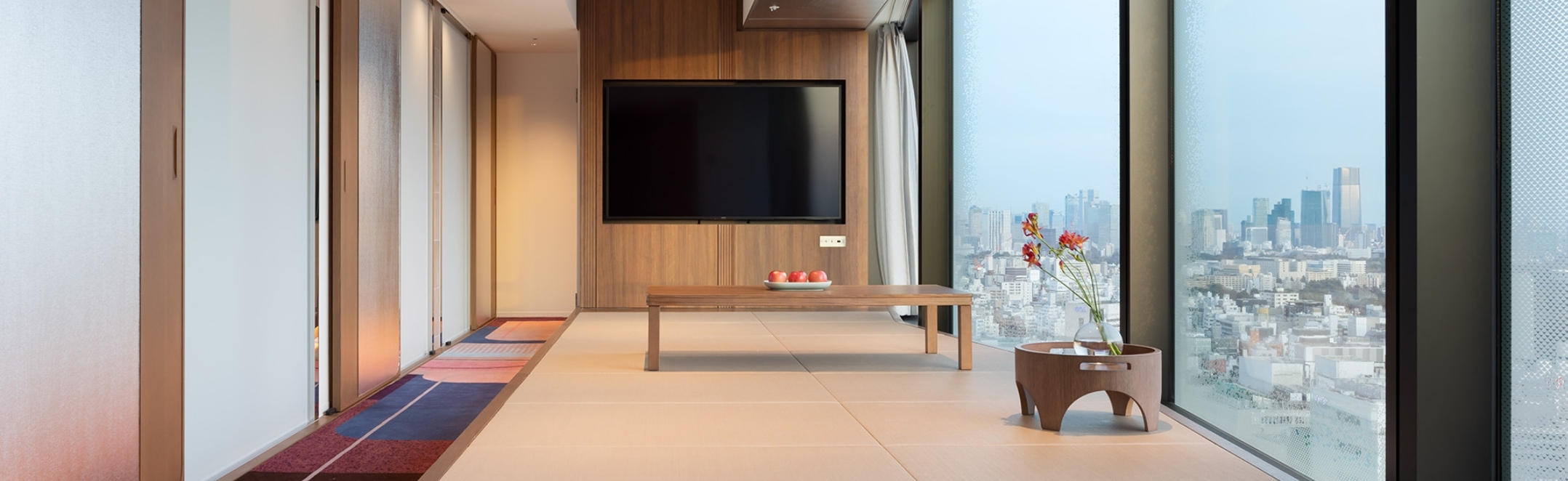
HOTEL GROOVE SHINJUKU, A PARKROYAL Hotel (pictured above) suits travellers who want the energy of Kabukicho on their doorstep alongside the convenience of Shinjuku Station below. After a day navigating Kamakura's temple trails or climbing the stone steps to the Chureito Pagoda, returning to a lively neighbourhood full of izakayas, ramen counters and late-night street food is its own reward. The hotel's accessible, vibrant character makes it the natural fit for guests who want to keep moving even after the day trip ends.
All three places guests within minutes of direct rail connections to Hakone, Kamakura, Nikko and Yokohama, meaning every morning begins with an open platform and every evening ends in comfort. We would be glad to help plan the stay that fits the itinerary. Browse our Tokyo properties and book direct for the best available rates and member benefits through Pan Pacific DISCOVERY. Shinjuku is ready when you are.

Enter Title
-
Hotels and Resorts


-
Serviced Suites


-
Wellness and Lifestyle


Sign Up for Our Newsletter
Be the first to know about our exclusive deals.
Download Our Mobile App


Get the Latest from Our Socials

