Why Melbourne
1
World‑Class Infrastructure
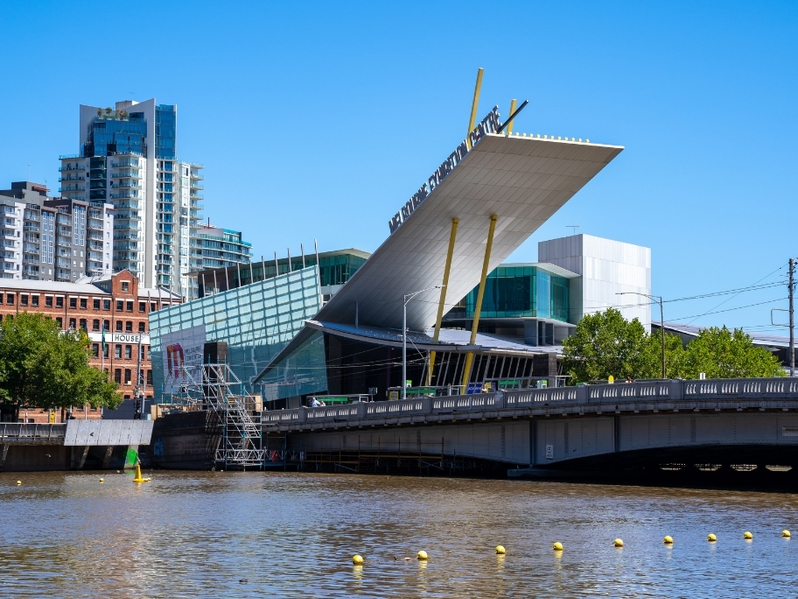
Melbourne offers a mature, well‑supported ecosystem for major conferences and exhibitions, anchored by the Melbourne Convention and Exhibition Centre (MCEC) on the Yarra River in South Wharf. Within a short walk of this precinct, delegates can access a mix of hotels, dining, retail, and entertainment, keeping most movement within a compact inner‑city area.
Professional support from organisations such as the Melbourne Convention Bureau helps planners match venues, suppliers and local partners to program objectives. The city’s habit of clustering key assets around the riverfront and the CBD fringe simplifies logistics, reduces transfer times, and makes it easier to weave in site visits, social events, and informal networking.
For delegates, this density translates into more time in sessions or at curated experiences and less time in transit. Walking between hotels, the convention centre, and evening venues also encourages chance encounters and organic conversations, which are often the most valuable outcomes of a business event.
Insider tip
When shortlisting venues, prioritise riverfront and South Wharf locations; keeping most elements within walking distance helps protect schedules and gives delegates more meaningful downtime.
2
Strong Regional Connectivity

Melbourne’s role as a major air hub makes it a practical choice for both Asia‑Pacific and nationwide events. Melbourne Airport is Australia’s second‑busiest airport, with four terminals and direct connections to over 70 destinations across Australia and more than 20 countries.
For regional teams or companies with offices spread across multiple states, this connectivity helps centralise internal meetings, training programs and incentive kick‑offs. Frequent services along key routes such as Sydney–Melbourne, plus links to regional centres, give organisers flexibility when assembling delegates from different locations.
On arrival, the relatively short transfer time between the airport and the CBD or key precincts such as South Wharf supports tight schedules. For events with international participation, easy onward domestic connections also make pre‑ or post‑program travel within Australia more appealing.
Insider tip
Build arrival patterns around high‑frequency domestic routes and morning international landings to maximise the chance of starting programs the same day with minimal fatigue.
3
A Destination That Sells Itself
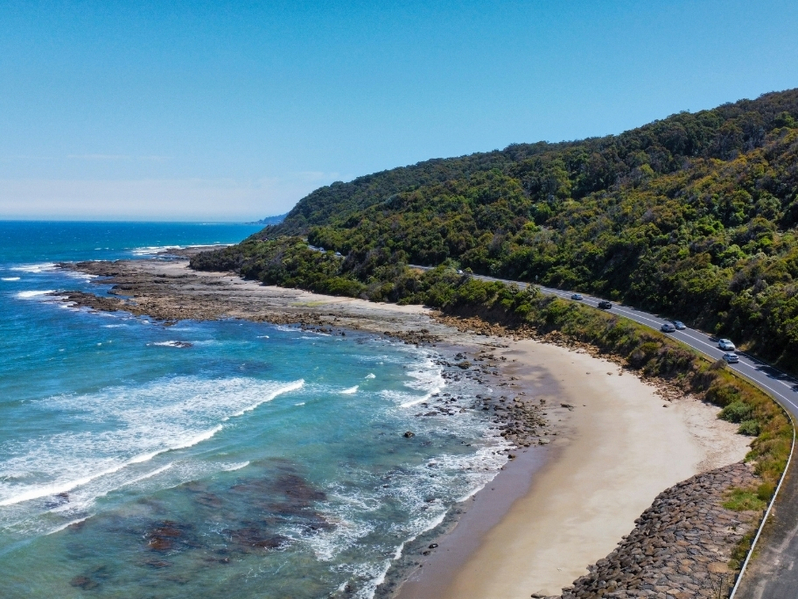
Melbourne’s appeal extends well beyond the conference room, which is a powerful asset when competing for registrations. The city’s food and coffee culture, laneway bars, galleries, live music venues and sporting calendar give delegates compelling reasons to extend stays or travel with partners.
Within a short drive of the city, wine regions and coastal escapes add further depth for pre‑ and post‑event itineraries. Options include Yarra Valley cellar doors, Mornington Peninsula hot springs, and Great Ocean Road coastal scenery, offering a mix of relaxation, tasting experiences, and soft adventure that can be woven into incentive- or reward‑style programs.
For planners, this “destination pull” helps drive interest, especially for international or discretionary events where delegates choose between multiple cities. Positioning Melbourne as a place where attendees can connect with local culture and take meaningful breaks strengthens both attendance and engagement.
Insider tip
Highlight nearby wine regions and coastal day trips in early communications; framing the event as part of a broader Melbourne experience can increase registrations and length of stay.
4
Aligned With Sustainability Expectations
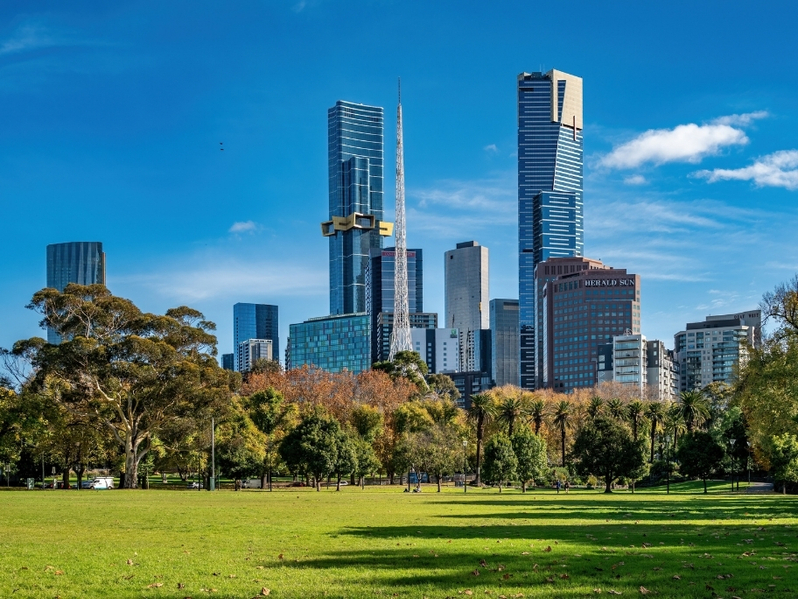
As event stakeholders place greater emphasis on sustainability and wellbeing, Melbourne’s urban fabric offers practical ways to design lower‑impact, people‑centred programs. Walkable precincts along the Yarra River, accessible public transport and abundant green spaces make it easier to reduce reliance on private transfers.
Riverfront promenades and nearby parks lend themselves to walking meetings, outdoor networking and short movement breaks between sessions. These touches help address wellness expectations without requiring extensive off-site travel or complex scheduling.
The city’s growing focus on sustainable tourism and community engagement also supports event narratives that go beyond standard CSR activities. Options such as local supplier partnerships, riverfront clean‑ups or neighbourhood experiences can be built into programs to reflect shared values around impact and connection.
Insider tip
Schedule short riverfront walks or nearby park sessions between dense blocks of content; these low‑effort breaks can significantly improve energy levels and perceived event quality.
5
A Supportive Ecosystem for Innovation
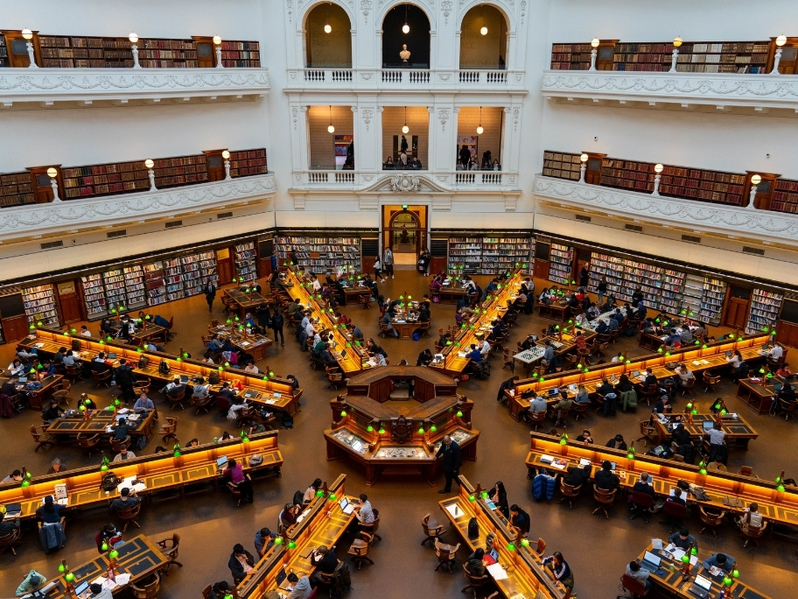
Melbourne’s mix of universities, research institutions, start‑ups, and creative industries gives planners a deep pool of speakers, collaborators, and site-visit opportunities. This ecosystem helps events feel relevant and forward‑looking, particularly in sectors such as healthcare, technology, education and design.
Access to campus precincts, innovation hubs and specialised facilities allows organisers to incorporate technical tours, lab visits or studio sessions into their programs. For delegates, these experiences can be more memorable than traditional breakout rooms, providing concrete examples of ideas discussed on stage.
By tapping into local expertise, planners can differentiate their Melbourne events from similar gatherings held elsewhere, positioning the city as a place where global conversations are grounded in real‑world practice. This alignment between content and location is especially valuable for conferences that seek to attract high‑calibre participants and partners.
Insider tip
Engage local universities and research centres early; co‑created sessions and site visits often require longer lead times but add significant depth to the overall program.
Melbourne Bases for Every Type of Business Event
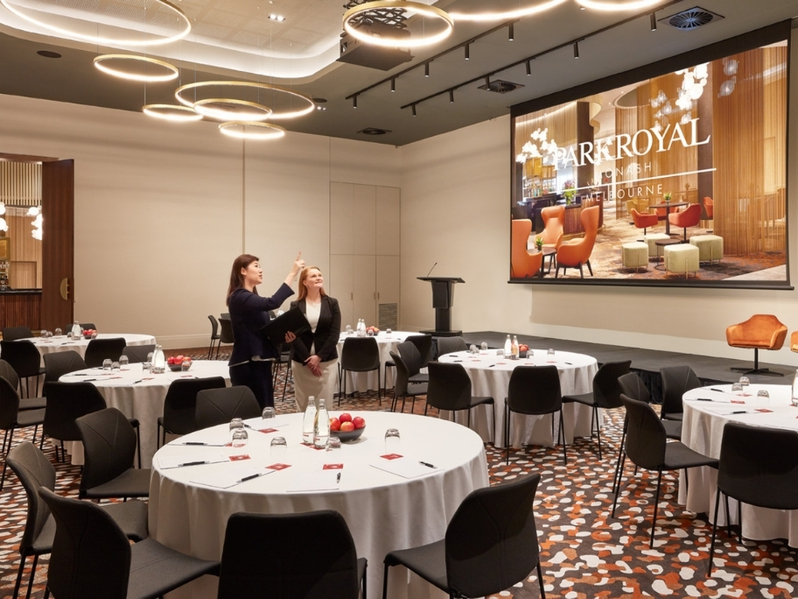
In Melbourne, we support organisers and corporate travellers with a trio of hotels that mirror the city’s strengths as a meetings and events destination. Together, these properties provide flexible bases for everything from major conventions to airport‑focused workshops and campus collaborations.
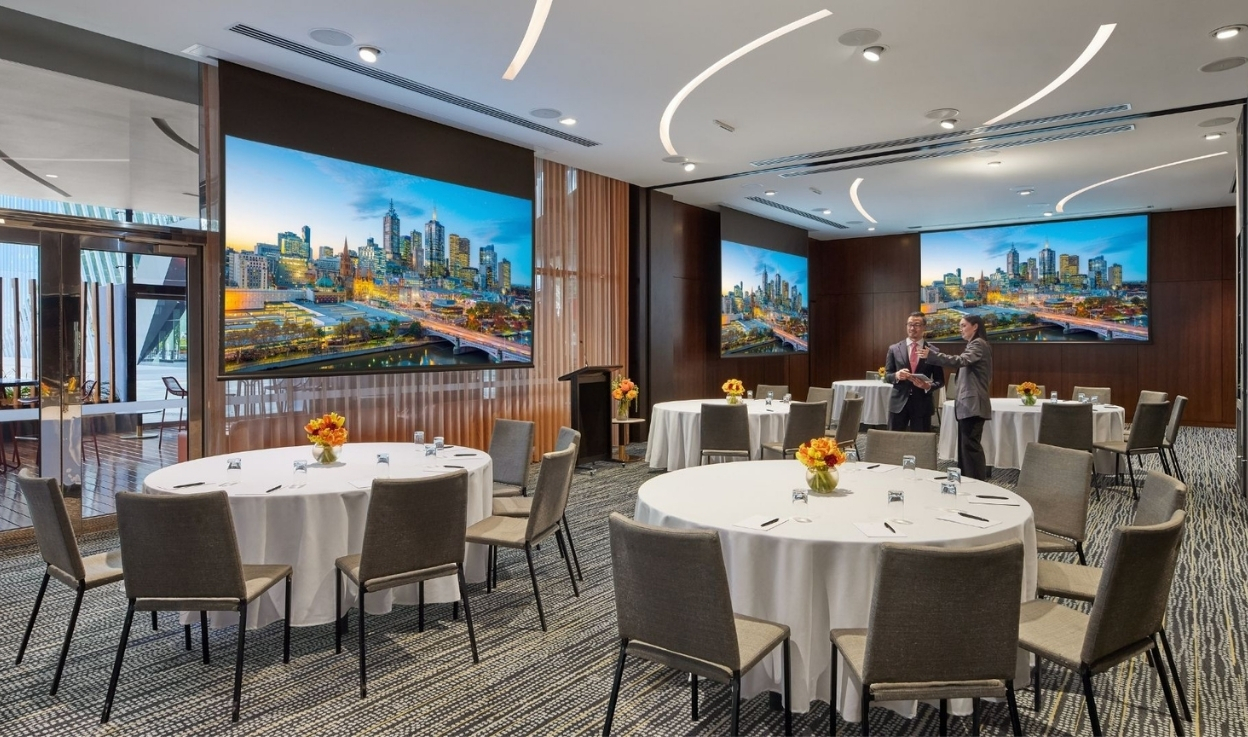
On the riverfront, Pan Pacific Melbourne is the only five-star hotel directly connected to the Melbourne Convention and Exhibition Centre (MCEC), offering modern meeting spaces and direct access via Level 1. Delegates can move seamlessly between accommodation and the convention centre without stepping outside, making it an ideal choice for conferences, exhibitions and multi-day business events.
For fly-in meetings, regional gatherings and tight turnaround schedules, PARKROYAL Melbourne Airport is directly connected to Melbourne Airport via a covered skybridge, providing one of Australia's most convenient conference venues for interstate and international delegates.
PARKROYAL Monash Melbourne offers a strategic base for meetings and events in Melbourne’s south-east. Located in Clayton within the M-City precinct, the hotel is close to Monash University, Monash Medical Centre, major business parks and the broader Monash innovation corridor, making it well suited to corporate meetings, training programmes, healthcare-related events and education-linked gatherings.
Together, Pan Pacific Melbourne, PARKROYAL Melbourne Airport and PARKROYAL Monash Melbourne give event organisers access to three distinct business event precincts across Melbourne. Whether hosting a convention at the Melbourne Convention and Exhibition Centre (MCEC), an airport meeting for interstate and international delegates, or a conference connected to Melbourne's education, healthcare and innovation sectors, each hotel offers a location tailored to different event objectives.
By combining these three properties, organisers can confidently plan meetings, incentives, conferences and exhibitions (MICE) with the flexibility, connectivity and local expertise needed to deliver successful business events.
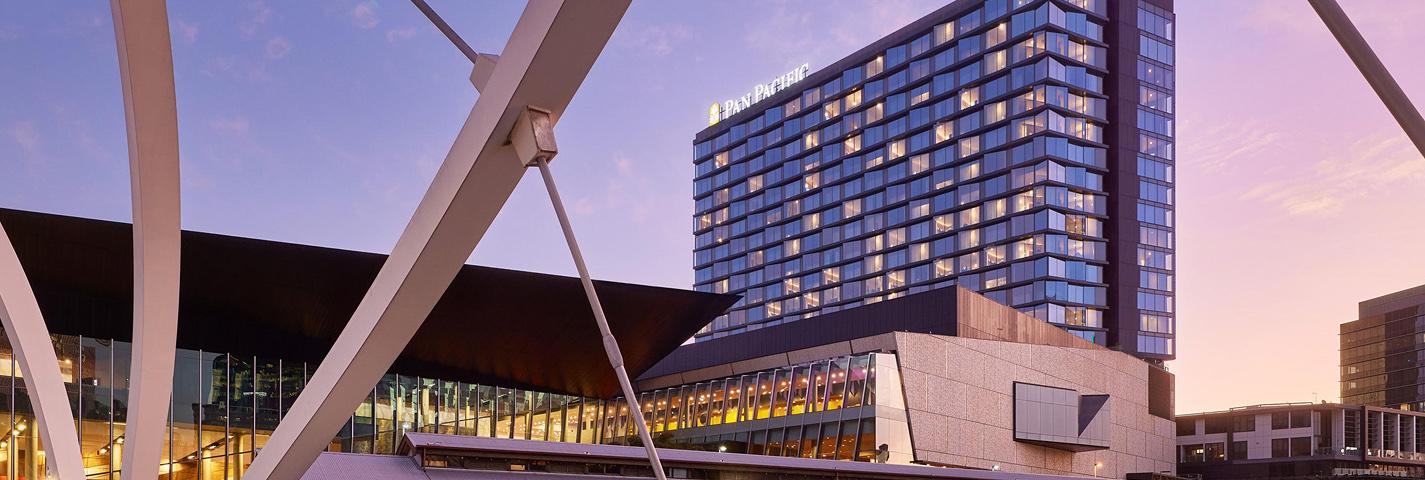
Stay at Pan Pacific Melbourne
Stay in the heart of the city with skyline views and Melbourne's dining and laneway culture close at hand and experience the city like a local.
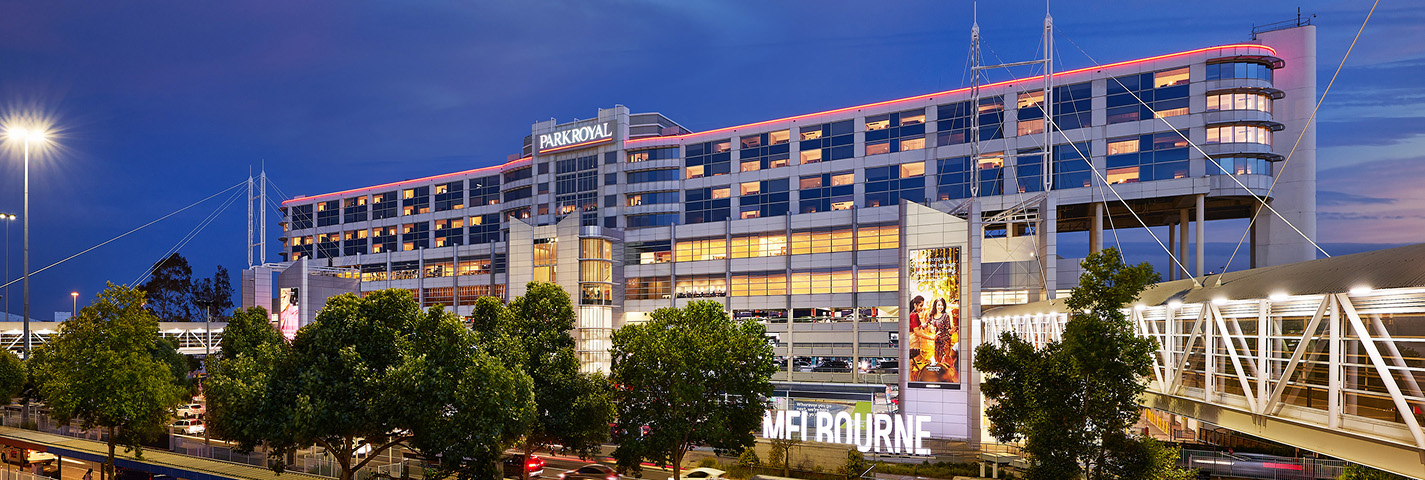
Stay at PARKROYAL Melbourne Airport
Between terminals and the city, PARKROYAL Melbourne Airport offers elegant stays and award-winning dining. Explore nearby wineries, gardens, and family highlights with ease.
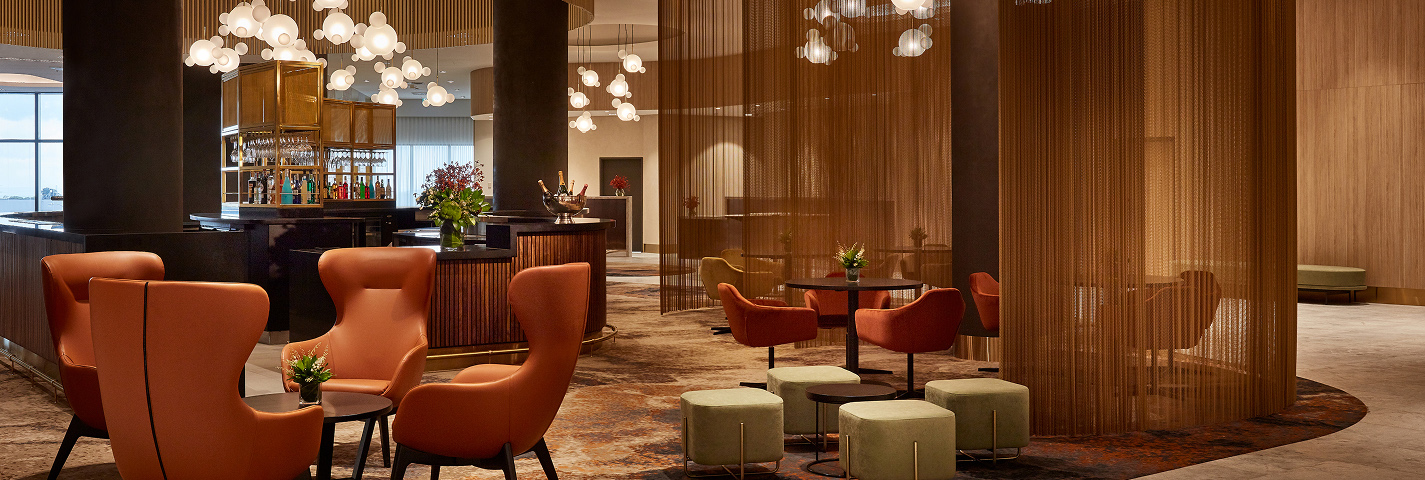
Stay at PARKROYAL Monash Melbourne
A comfortable base for work, events, and exploring Melbourne's southeast, with easy access to the area's key precincts.
More to Discover


-
Hotels and Resorts


-
Serviced Suites


-
Wellness and Lifestyle


Sign Up for Our Newsletter
Be the first to know about our exclusive deals.
Download Our Mobile App


Get the Latest from Our Socials

