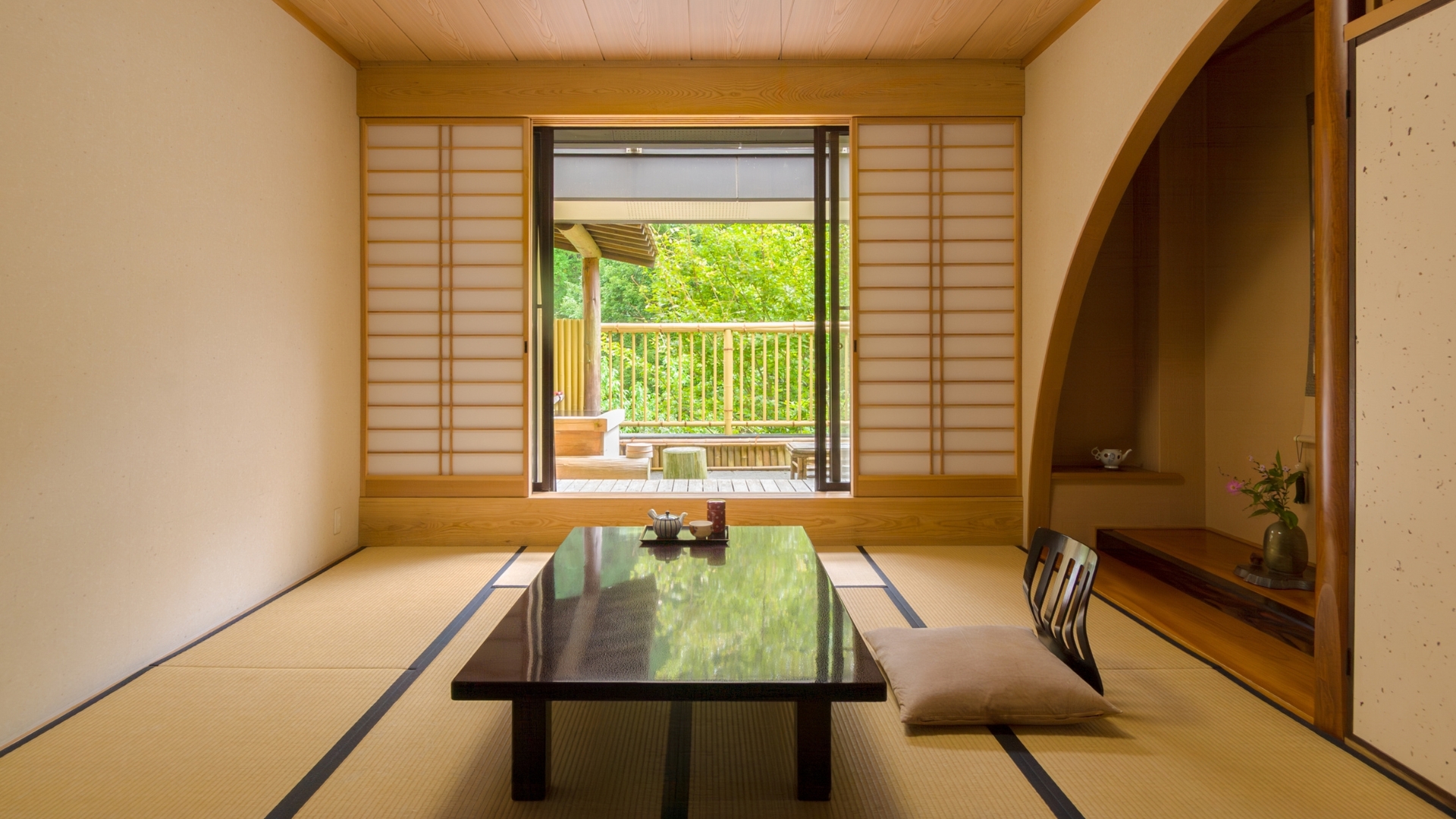
Japan rewards travellers who treat accommodation as a considered part of the journey rather than simply a place to sleep. The country offers one of the world's most varied lodging landscapes, ranging from the compact efficiency of a capsule hotel pod to the floor-to-ceiling skyline views of a luxury tower suite, with every style carrying its own distinct sense of place.
In Tokyo and Kyoto, this spectrum is at its clearest, and the choice of where to stay shapes the texture of a trip in ways that extend well beyond comfort or convenience.
For first-time visitors, the range of options can feel as layered as Japan itself. Budget-conscious solo travellers weighing a berth in a Shinjuku capsule hotel face a fundamentally different proposition from those considering a ryokan tucked into Kyoto's Higashiyama district, where the ritual of a tatami room and kaiseki dinner is the point of the stay.
Knowing what each accommodation type offers and where it sits within each city's geography makes for a more intentional and ultimately more rewarding journey.
Both Tokyo and Kyoto reward the traveller who plans accommodation with the same deliberateness applied to temples, restaurants and transport. Tokyo is a city of dense, overlapping districts, where proximity to a subway line matters as much as the room itself. Kyoto is smaller and more navigable on foot, but its most coveted addresses cluster tightly around historic corridors where the neighbourhood itself becomes part of the experience.
Understanding the distinct logic of each city is the first step to making a good choice.

Japan's accommodation categories each occupy a distinct cultural and practical register. Capsule hotels are a uniquely Japanese invention, born of the efficient pragmatism of postwar urban life, and offer individual sleeping pods, communal bathing facilities, and shared lounges at prices that strongly appeal to solo travellers and those prioritising location over space.
They concentrate most heavily around major transit hubs such as Shinjuku Station and Osaka's Namba district, making them genuinely convenient bases for a city like Tokyo.
Business hotels occupy the mid-range with considerable competence. Brands such as Dormy Inn, Toyoko Inn and APA Hotel deliver compact, well-maintained rooms, reliable breakfast services and excellent transport access at a consistent standard across Japan's cities.
For travellers whose priorities are mobility and value, this category performs strongly; the rooms are small but purposeful, and the best examples are within walking distance of major metro stations.
Ryokan inns represent Japan's most culturally immersive accommodation tradition. Guests remove their shoes at the entrance, sleep on a futon laid over tatami matting, wear complimentary yukata robes and take multi-course kaiseki dinners served in their rooms or a communal dining hall. Many ryokan offer private or shared onsen baths fed by natural hot spring water.
The philosophy underpinning the ryokan experience is omotenashi, a form of wholehearted hospitality rooted in anticipating a guest's needs before they are voiced. Luxury hotels, meanwhile, deliver the full-service international standard, with concierge teams, fine-dining restaurants, spa facilities and city views that make the property itself a destination within the destination.
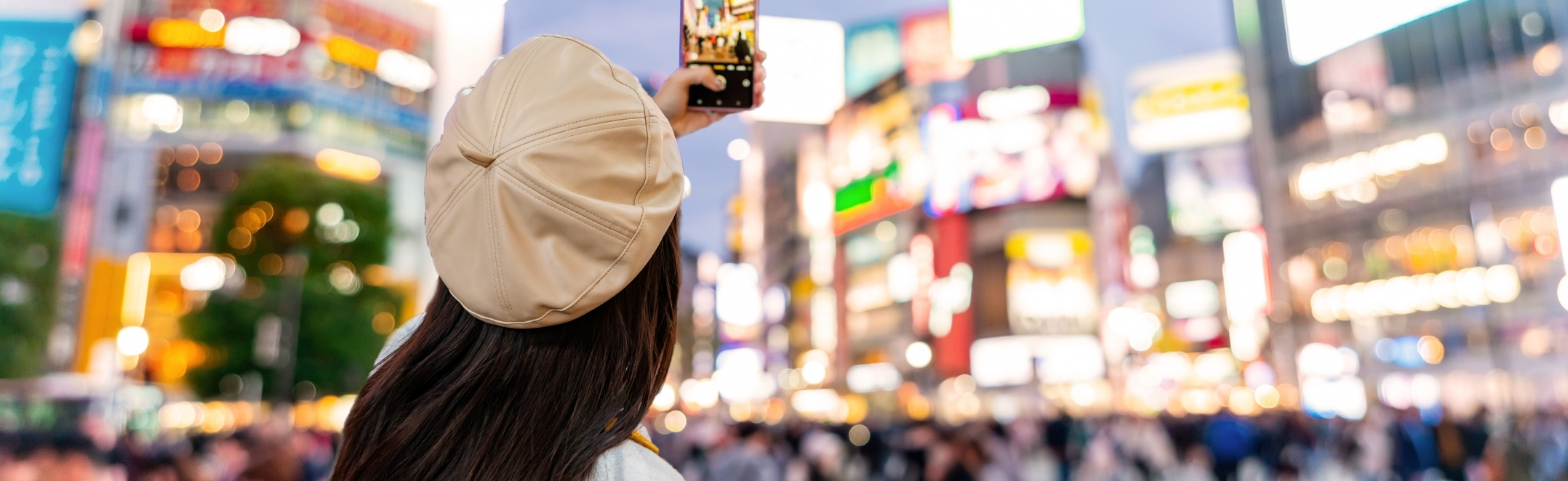
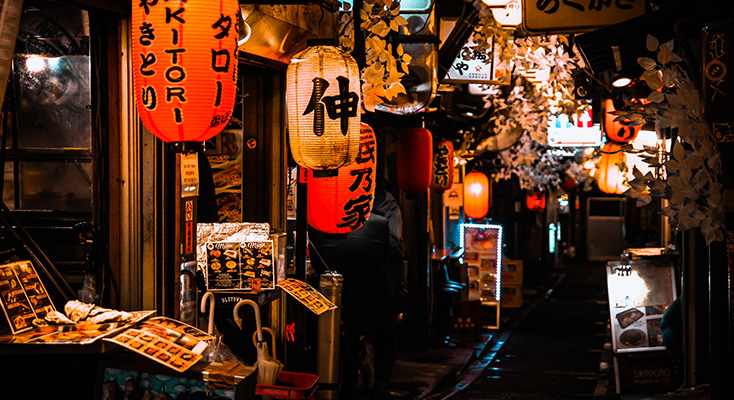
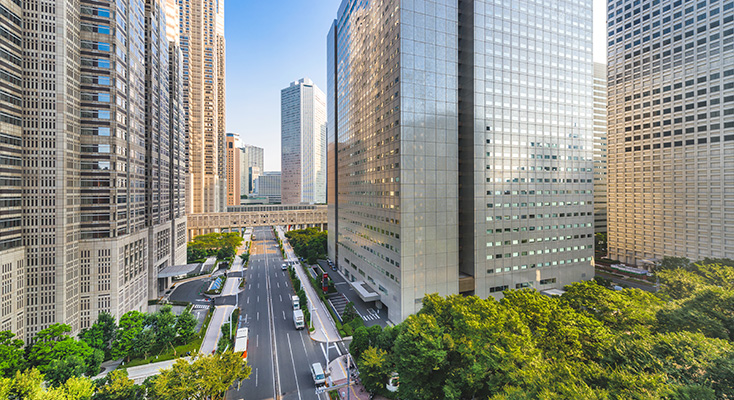
Tokyo's scale means that neighbourhood choice carries real consequences. The city sprawls across 23 special wards and dozens of distinct districts, each with its own energy and access logic, and staying in the wrong area can mean significant daily commutes on an already-stretched itinerary. Shinjuku consistently ranks as Tokyo's most versatile accommodation hub, combining the density of Japan's busiest train station with proximity to shopping along Takashimaya Times Square, the lantern-lit alleys of Omoide Yokocho and the neon-bright entertainment enclave of Kabukicho.
The accommodation range within Shinjuku itself mirrors the broader spectrum of Japan. Capsule hotels such as the well-regarded 9h (nine hours) Shinjuku offer meticulously designed pods near the station's east exit, distilling the capsule format to its cleanest expression. Mid-range and lifestyle hotels occupy the floors above Kabukicho Tower and the surrounding blocks, where art-forward design and direct access to the city's entertainment culture define the offer. At the upper end, sky-high rooms with panoramic views across the Tokyo Basin place guests above the urban density in an entirely different register.
The practical argument for Shinjuku is compelling. The station connects directly to Haneda Airport via the Keio Line, to Shibuya and Harajuku on the Yamanote Line, and to the Chuo Line rapid services linking central Tokyo with the western suburbs. Cultural draws such as the Shinjuku Gyoen National Garden, the Tokyo Metropolitan Government Building observation decks and the galleries around West Shinjuku are all reachable on foot, making the district a genuinely well-rounded base for a first or returning visit.
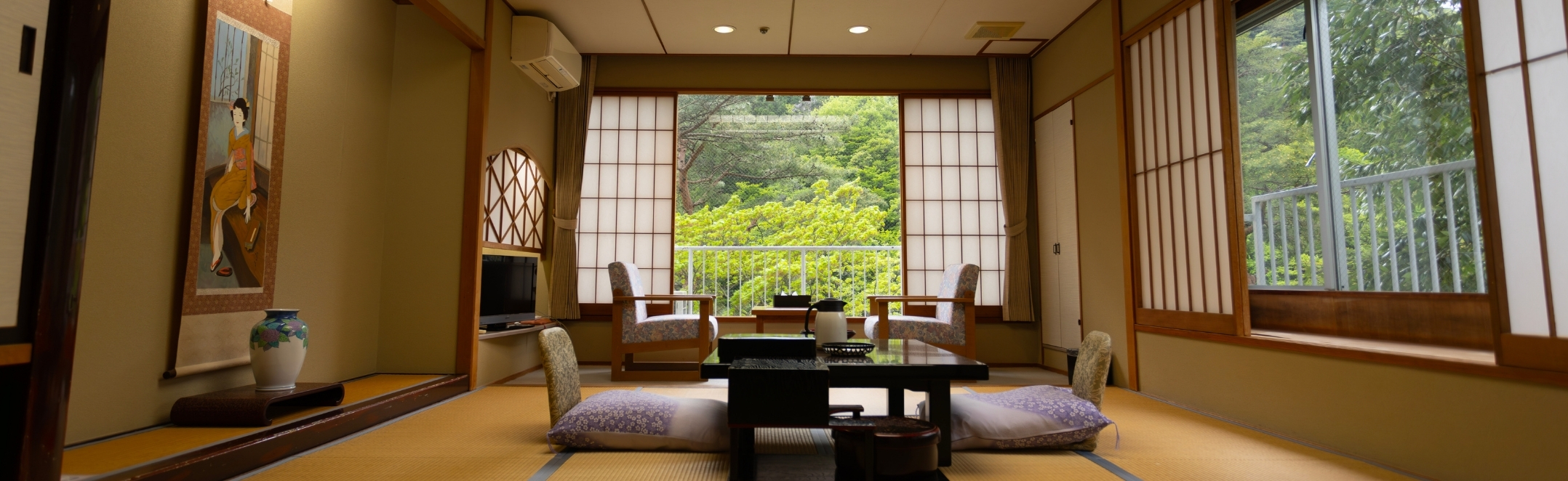
Kyoto operates on a different spatial logic from Tokyo. The city is compact enough to cycle across, but its most historically significant districts cluster along the Higashiyama foothills, where the preservation of wooden machiya townhouses and stone-paved lanes has created a physical environment largely unchanged in character since the Edo period. For travellers seeking the deepest possible engagement with traditional Japan, staying within or immediately adjacent to Higashiyama means that mornings begin with an unrushed walk past moss-draped temple gardens before the day-trippers arrive.
The ryokan tradition reaches its most refined expression in Kyoto, particularly in the districts of Higashiyama and Gion. Gion's ochaya teahouses and lantern-lit Hanamikoji Street represent the living culture of geiko and maiko hospitality, and the area rewards guests who take the time to walk its narrower lanes in the evening, once the tour groups have returned to their coaches. Ryokan in the Higashiyama and Gion areas range from intimate six-room properties with private garden outlooks to larger establishments offering full spa treatments alongside the kaiseki dinner service.
A growing alternative is the machiya townhouse stay (pictured above), which offers self-catered or semi-serviced accommodation within restored Kyoto merchant houses. These narrow, deep-plan residences, often featuring an interior courtyard garden called a tsuboniwa, place guests inside the architectural fabric of old Kyoto rather than simply near it. Operators such as Kyoto Machiya and NIPPONIA manage portfolios of renovated properties in Higashiyama, Gion and the Nishiki market area. For those who want the neighbourhood immersion of a machiya alongside the reassurance of concierge support and full-service dining, the premium hotel properties within the Higashiyama district offer a carefully calibrated middle ground.
Pan Pacific Hotels Group has four properties across Japan that reflect the full range of this premium landscape, each positioned to deliver a different kind of stay across Tokyo and Kyoto.
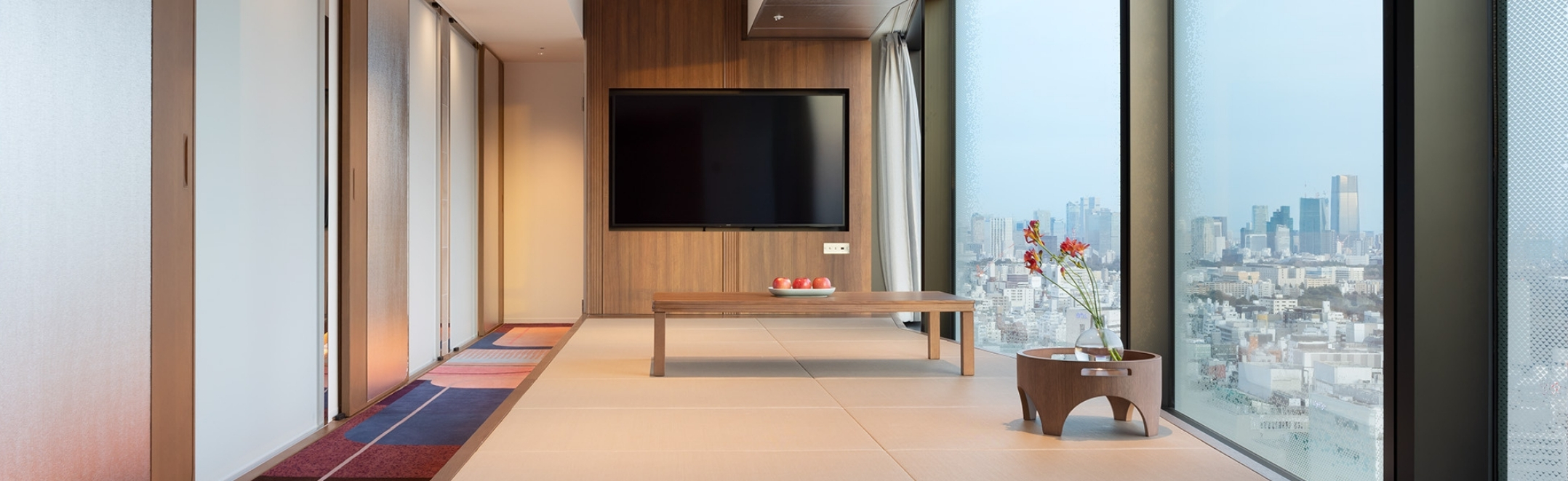
In Shinjuku, HOTEL GROOVE SHINJUKU, A PARKROYAL Hotel (pictured above) occupies levels 18 through 38 of the Tokyu Kabukicho Tower with 538 rooms, all offering city views, alongside the art and music-led design sensibility and the social energy of Jam17 Dining and Bar on the 17th floor.
If Shinjuku's pulse is what you are here for, this is where you feel it most directly, with four train stations within walking distance and Kabukicho's entertainment district right at the tower's base.
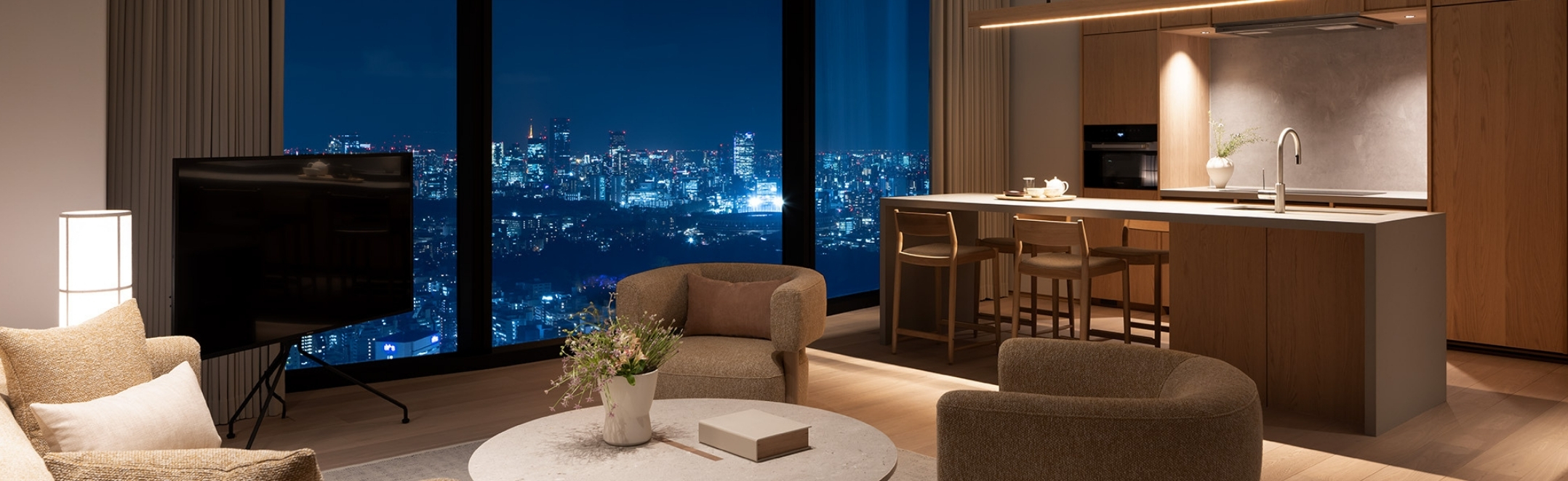
For those seeking an elevated experience above the city, BELLUSTAR TOKYO, A Pan Pacific Hotel, crowns the upper floors of the same tower, with guest rooms from the 39th floor and above featuring seven-metre wide view windows interwoven with Japanese cultural details.
The Sky Private Villa on the top floors offers 360-degree panoramic views, a spa drawing on Japan's natural traditions and five penthouse-level suites for those for whom only the most singular accommodation will do.
The Cerulean Tower Tokyu Hotel in Shibuya extends the group's Tokyo footprint further into the city, offering a distinctive option for travellers based in one of Tokyo's other defining districts.
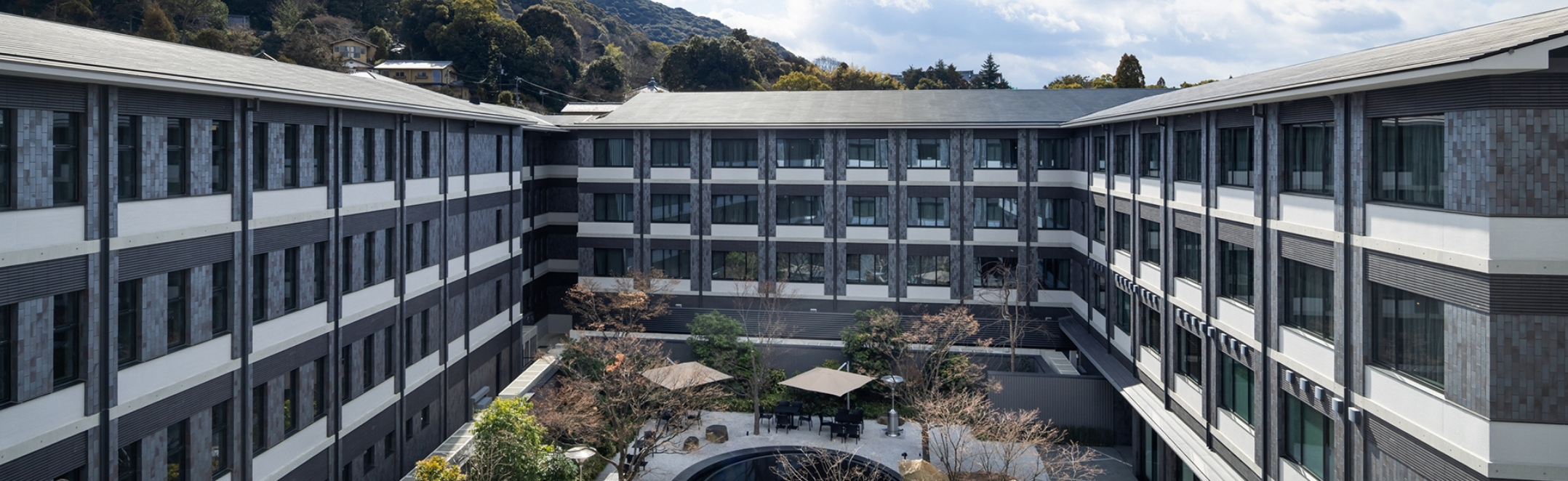
In Kyoto, THE HOTEL HIGASHIYAMA KYOTO TOKYU, A Pan Pacific Hotel (pictured above), sits within the Higashiyama district, a four-minute walk from Higashiyama Station and within reach of both the Gion district and the Nanzenji temple complex.
The 143-room property is inspired by the ryokan tradition of its surroundings, reviving the warmth of omotenashi hospitality while offering the reassurance of full-service luxury, so you can experience the cultural immersion of Higashiyama without relinquishing the comfort of a well-appointed hotel base.
Taken together, these four properties offer a thoughtfully considered answer to wherever you choose to place yourself on Japan's remarkable accommodation spectrum.

Enter Title
-
Hotels and Resorts


-
Serviced Suites


-
Wellness and Lifestyle


Sign Up for Our Newsletter
Be the first to know about our exclusive deals.
Download Our Mobile App


Get the Latest from Our Socials

