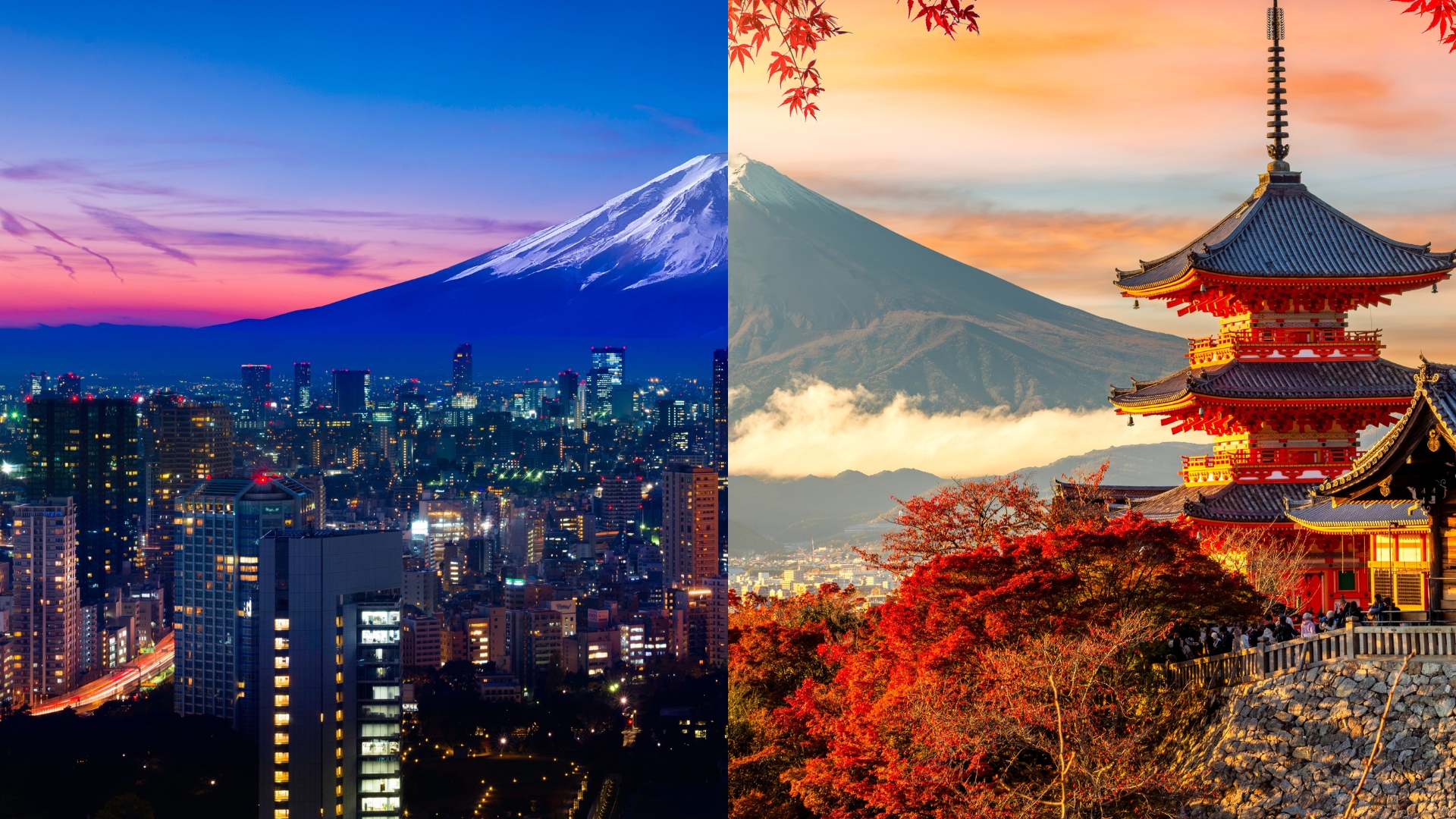
Comparing Tokyo and Kyoto for first-time travellers
Tokyo greets first-time visitors with a crush of stations, pedestrian crossings and neon signs stacked several storeys high. At the same time, Kyoto opens more quietly, with temple gates and narrow lanes best explored in the stillness of early morning. Both cities feel like entirely different postcards of the same country, and that contrast is exactly why so many travellers struggle to choose between them.
Many first-time visitors to Japan ask themselves the same question: Tokyo or Kyoto first? With only a handful of days, jet lag still settling in, and travel styles varying from traveller to traveller, the decision often feels bigger than it needs to be, especially when every guidebook seems to push a different answer.
This guide breaks down the choice by pace, personality, traveller type, food, season, and the Shinkansen links between the two cities. Readers can use it to choose a single city for a short trip, or work out how to split time between the two without overcomplicating the plan, weighing what each city offers before committing to an itinerary.
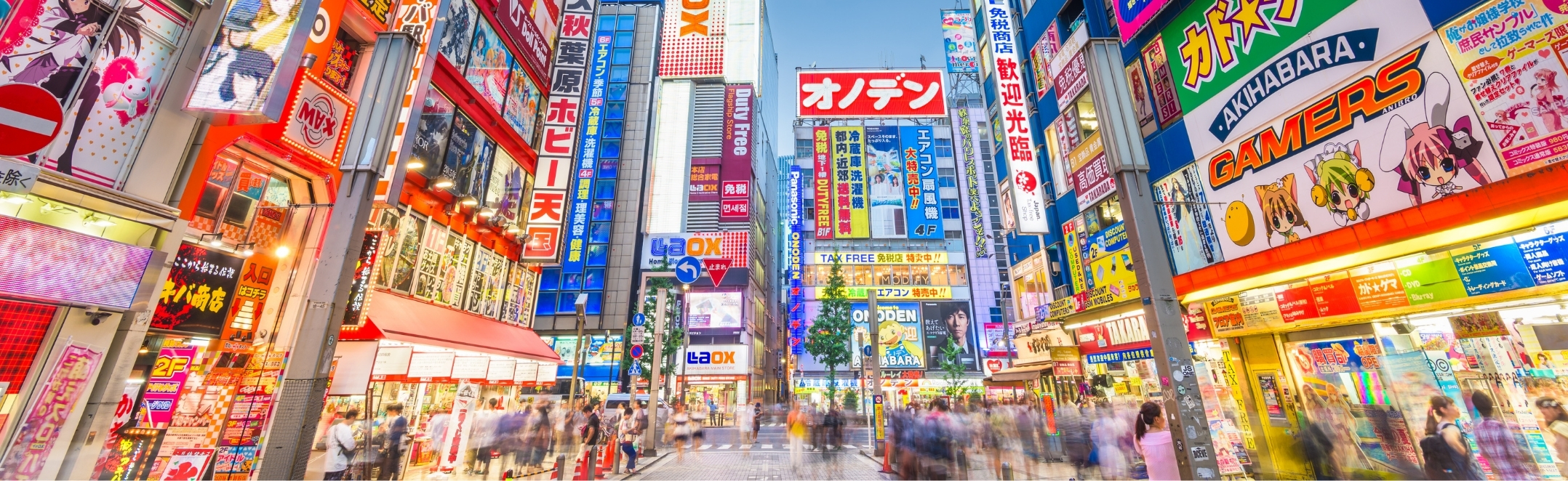
Anime billboards and neon signs tower over Akihabara's crowded streets, capturing Tokyo's electric, sensory-rich energy.
Tokyo is often described in travel guides as fast, neon-lit and pleasantly overwhelming, built from several distinct mini-cities such as Shinjuku, Shibuya, Asakusa and Akihabara stitched into one sprawling metropolis. Each district has its own character and crowd, so that a single day can move from department stores to arcades to quiet backstreet shrines. Travellers who thrive on city energy and late nights tend to feel most at home when they start their trip here.
“Travellers who thrive on city energy and late nights tend to feel most at home when they start their trip in Tokyo.”
Kyoto, by contrast, moves at a quieter and more traditional pace, rewarding early risers who reach its shrines and temples before the crowds arrive. Its narrow, smaller-scale streets suit slower mornings and a gentler introduction to Japan, with far less of the sensory rush that defines Tokyo's busiest districts.
Insider tip
Travellers wary of culture shock might ease in with Kyoto first, while those who enjoy sensory overload can dive straight into Tokyo's pace.

A tourist dons a kimono in Kyoto, Japan.
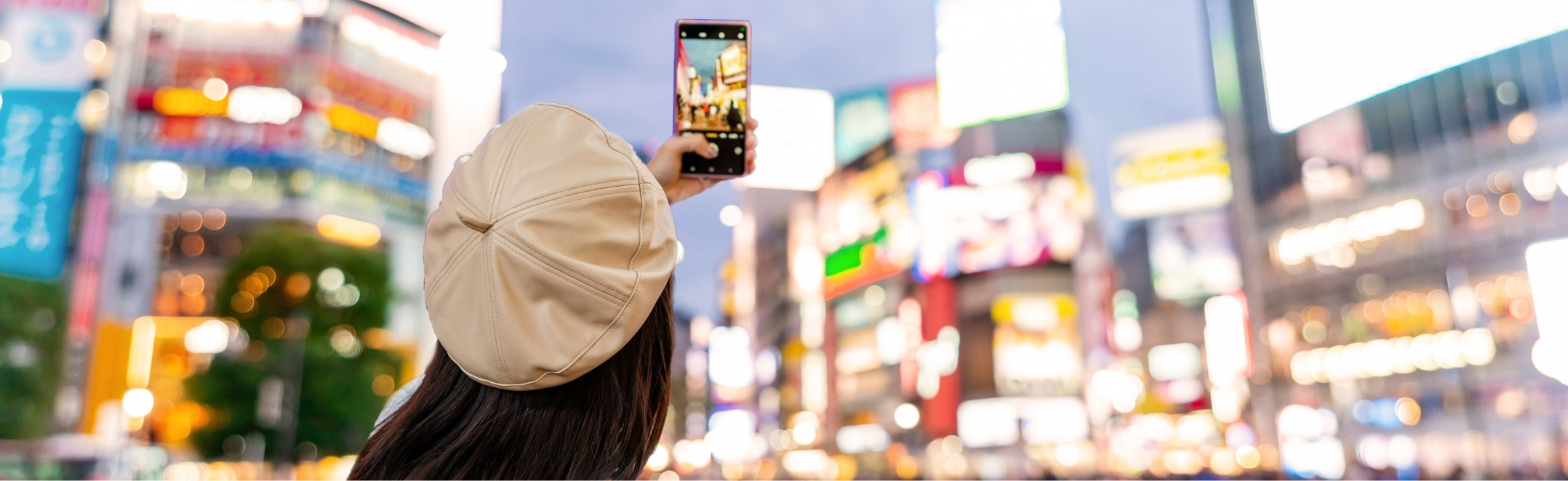
A tourist capturing the heart of Tokyo at the Shibuya crossing in Japan.
Tokyo suits big-city people drawn to skyscrapers, department stores and an enormous range of restaurants, as well as pop-culture fans of anime, gaming, fashion and themed cafés. Nightlife lovers who enjoy bar-hopping and catching the last train home also naturally gravitate toward the capital, where entire neighbourhoods stay lively well past midnight.
Kyoto suits travellers drawn to temples, shrines, gardens and traditional streetscapes, particularly walkers and photographers who appreciate early starts and quieter lanes through Higashiyama, Gion and Arashiyama. Anyone chasing a classic Japan feel, complete with tea houses, wooden facades, and seasonal temple visits, finds it in generous supply here.
Insider tip
With four or more days in Japan, splitting time between both cities captures the country's modern and historical faces at once, a pairing many long-time visitors recommend.
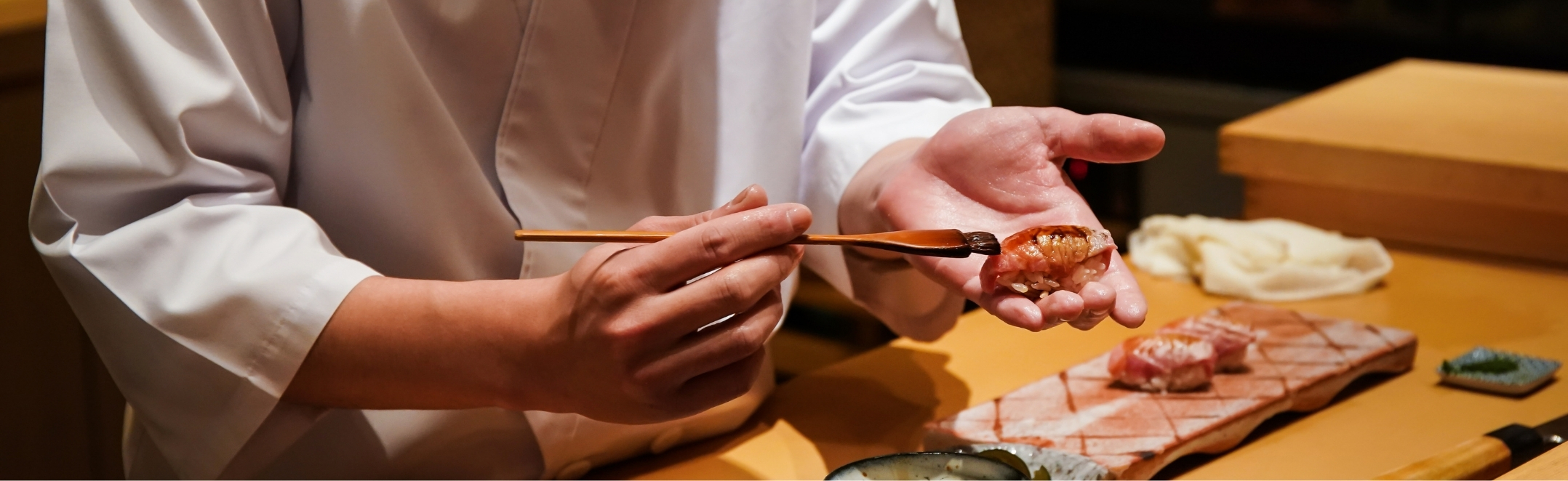
A chef preparing an omakase sushi.
Tokyo offers extraordinary variety, from standing-bar ramen counters and conveyor-belt sushi to regional specialities brought in from across Japan. It suits travellers keen to sample many small bites across department-store food halls, izakaya alleys and modern cafés, moving from one style of meal to the next within a single evening.
“Kyoto rewards slower, more formal meals built around presentation and regional ingredients.”
Kyoto's food culture stays closely tied to local seasons and tradition, with kaiseki menus, tofu dishes, tea sweets and obanzai home-style side dishes taking centre stage. It rewards slower, more formal meals built around presentation and regional ingredients, often stretched across several courses rather than rushed.
Insider tip
Treat Tokyo as the city for breadth, sampling many styles in a few days, and Kyoto as the city for depth, lingering over one or two seasonal meals.
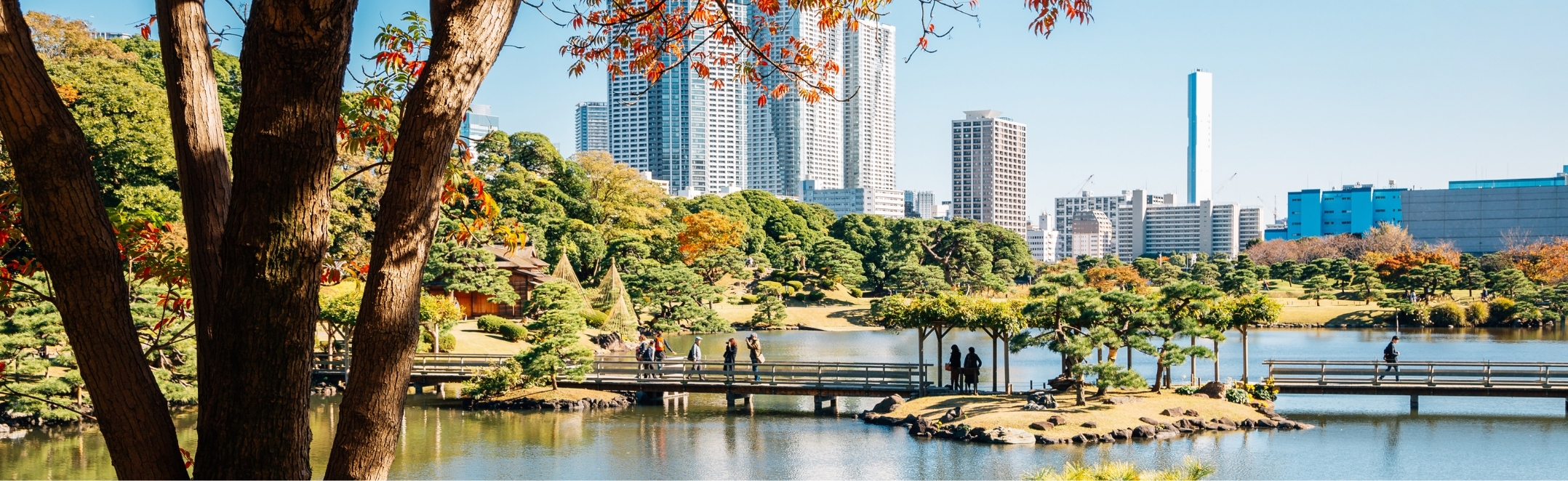
Hamarikyu Gardens pond and autumn maple in Tokyo, Japan
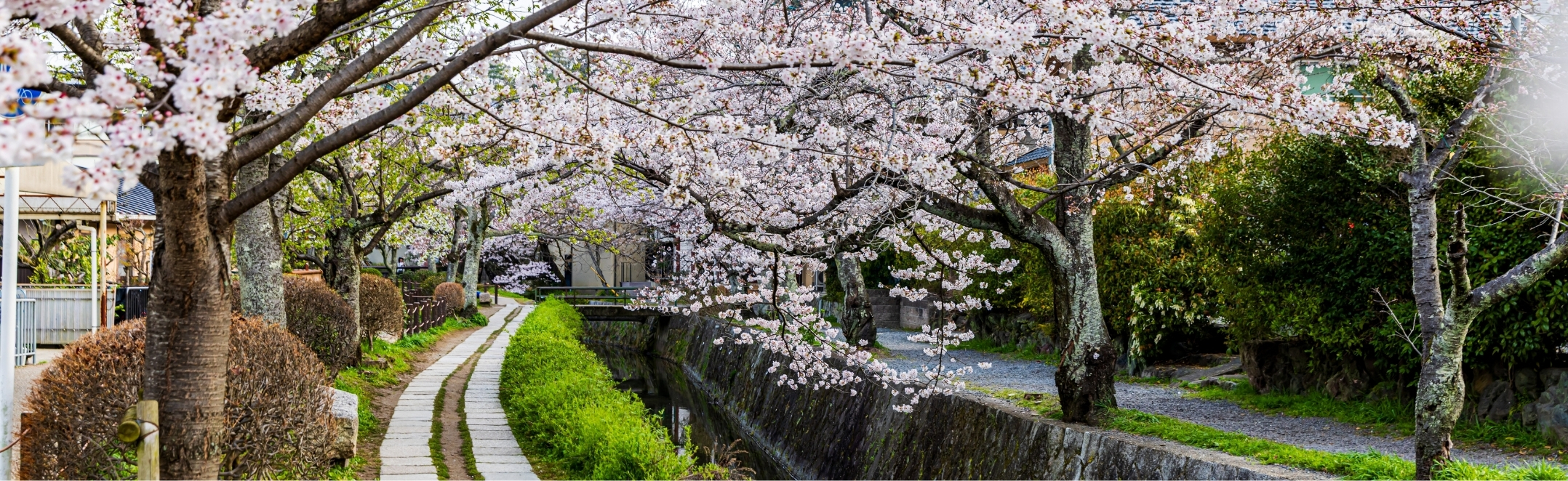
A canopy of cherry trees along the Philosopher's Path in Kyoto, Japan.
Cherry blossom season and autumn foliage draw large crowds to both cities, filling parks and temple gardens alike. Summer brings intense heat and humidity to Tokyo, while Kyoto can be just as warm, though early-morning temple visits and riverside evenings offer some relief from the midday sun.
Winter suits travellers who prefer fewer crowds, with both cities taking on an atmospheric quality thanks to seasonal illuminations, even as daylight hours shorten. Shoulder seasons in spring and late autumn often strike the best balance between mild weather and manageable visitor numbers at the most popular sights.
Insider tip
Travellers who dislike crowds should consider shoulder seasons or plan early-morning and late-evening sightseeing during peak periods, especially around Kyoto's temple districts.
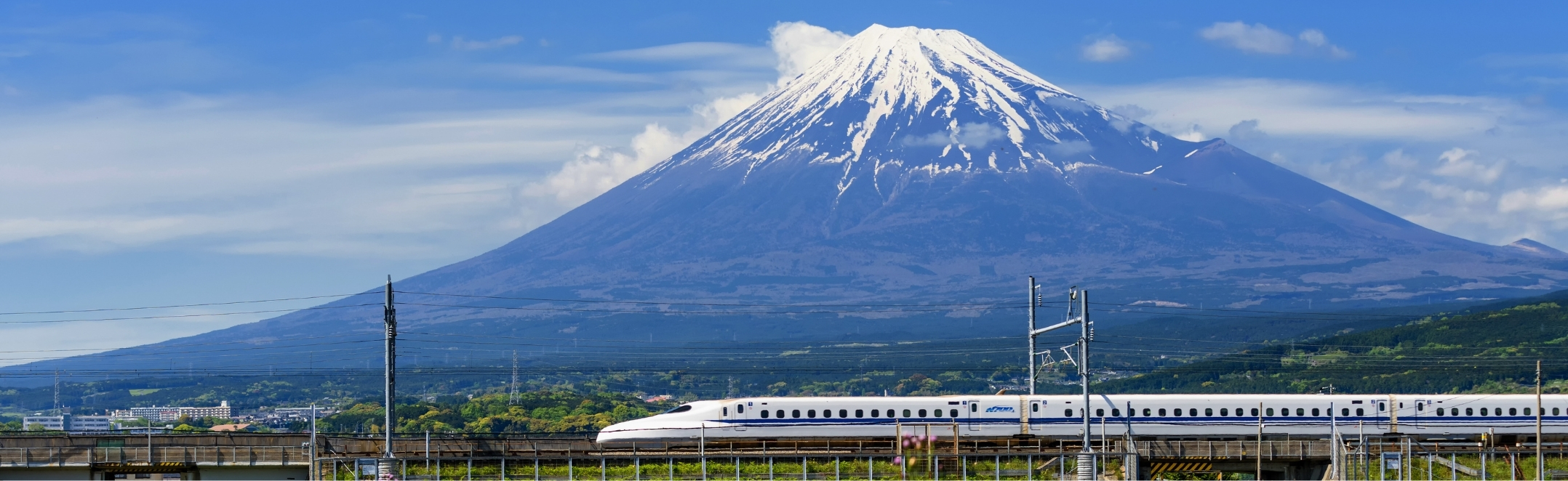
The Shinkansen, or JR Bullet train, running past Mt Fuji and Shibazakura in spring.
The Tokyo to Kyoto Shinkansen route runs frequently and simply, with the fastest Nozomi trains covering the roughly 500km distance in just over two hours. Three services run this route: Nozomi, Hikari and the slower, more frequent-stopping Kodama, with departures running throughout the day from both Tokyo and Shinagawa stations.
“This ease of connection makes pairing both cities entirely realistic, even on a trip of a week or less.”
Nozomi and Hikari trains stand out as the most time-efficient choices for travellers short on time, while Kodama suits those happy to trade speed for a more local, scenic pace and the occasional extra stop. This ease of connection makes pairing both cities entirely realistic, even on a trip of a week or less.
Insider tip
Booking a mid-morning or early-afternoon Shinkansen avoids peak commuter crowds and still leaves daylight to settle in when you arrive.
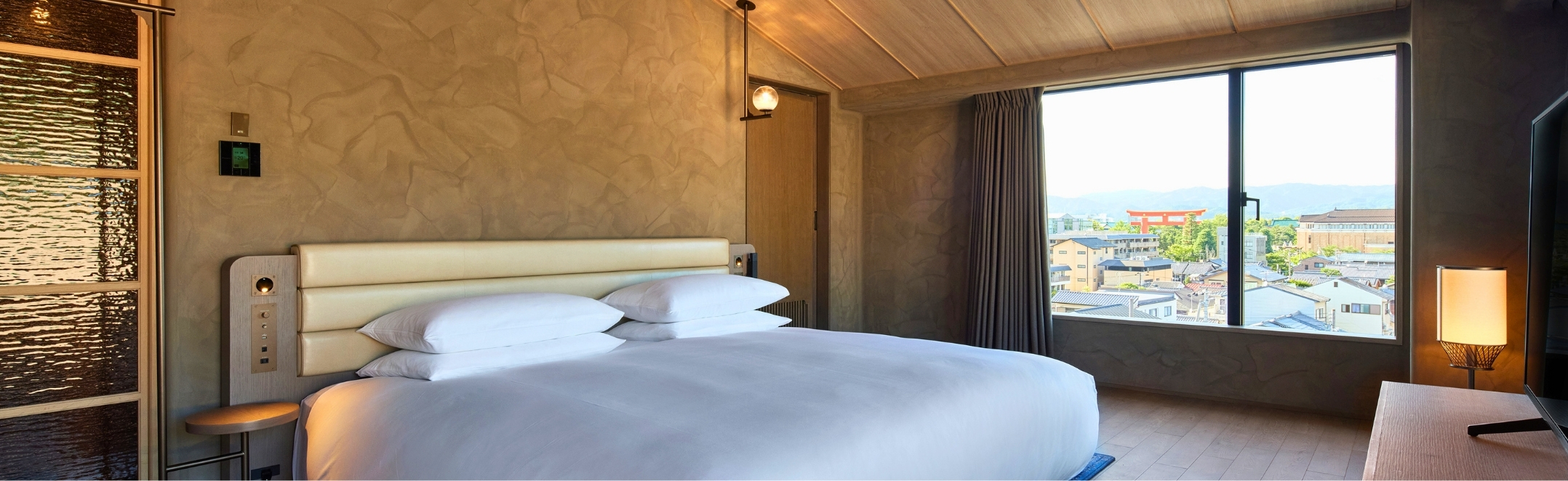
The Pan Pacific Suite at THE HOTEL HIGASHIYAMA KYOTO TOKYU, A Pan Pacific Hotel, Japan.
Choosing between Tokyo and Kyoto need not be a competition. The Shinkansen makes it easy to experience both a modern capital and a former imperial capital in a single trip. What follows shows how three specific hotels, each rooted in its own neighbourhood, support the pace, food and traveller types already described above.
For the Kyoto side of a trip, we recommend THE HOTEL HIGASHIYAMA KYOTO TOKYU, A Pan Pacific Hotel, set within the Higashiyama district. Its position places early-morning temple visits and traditional streets within easy reach, making it a natural fit for travellers who choose Kyoto first or want it as the reset half of a Tokyo-Kyoto itinerary.
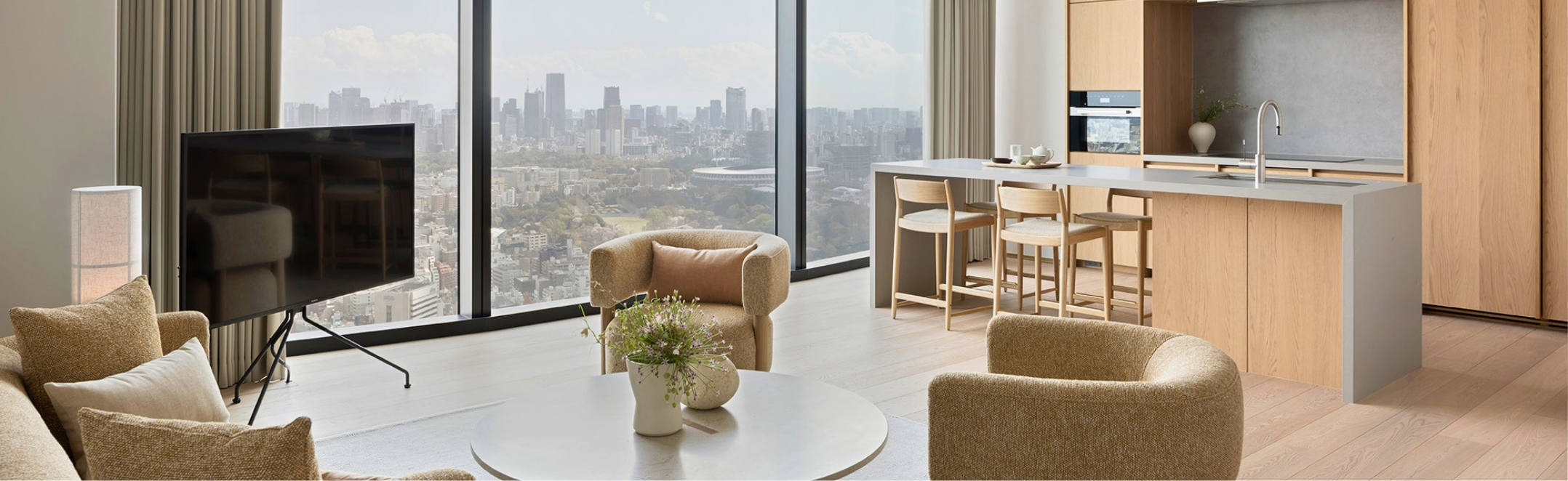
The Penthouse kaze at BELLUSTAR TOKYO, A Pan Pacific Hotel, Tokyo, Japan.
In Tokyo, two hotels sharing the same Shinjuku address offer complementary ways to sit close to the city's energy. BELLUSTAR TOKYO, A Pan Pacific Hotel, brings a refined, design-driven escape with high-rise views. At the same time, HOTEL GROOVE SHINJUKU, A PARKROYAL Hotel leans into a creative, nightlife-driven angle with easy access to Kabukicho. Together, they give travellers different options for how close they want to be to Tokyo's buzz.
Guests don't have to choose forever. One trip might begin in Kyoto, another in Tokyo, or a single journey can link both cities by rail within hours. Together, these three hotels form a Tokyo-Kyoto pairing that can anchor multiple future visits, in whichever order they come and whatever the mood.
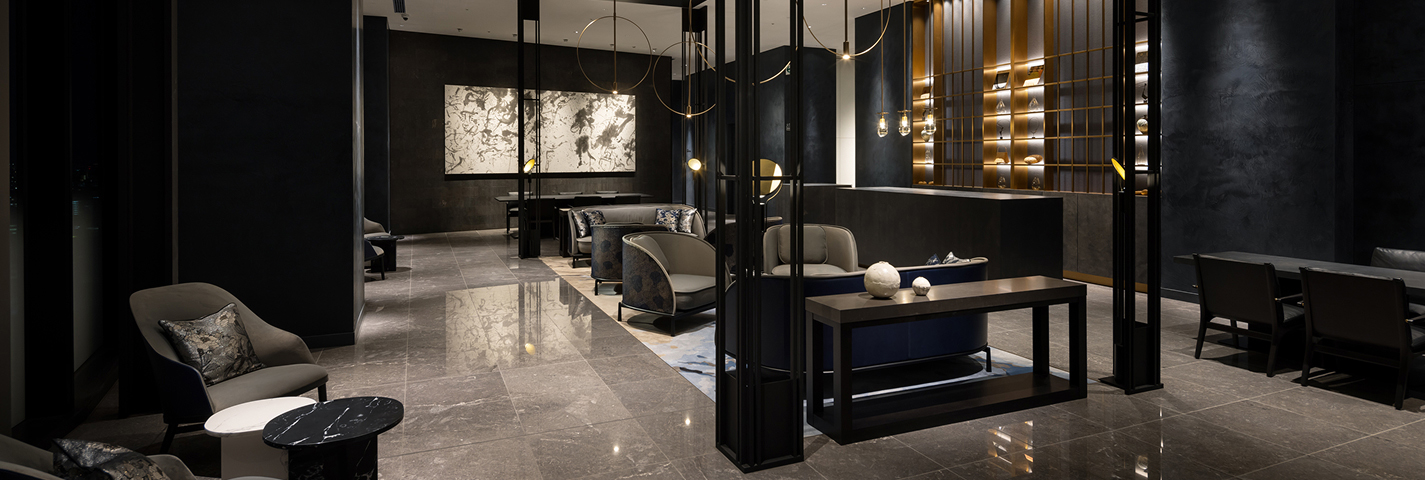
Stay at BELLUSTAR TOKYO, A Pan Pacific Hotel
In the heart of Shinjuku, BELLUSTAR TOKYO places you close to Tokyo’s bright nights and everyday rituals. Explore dining and cultural stops that reveal the city.
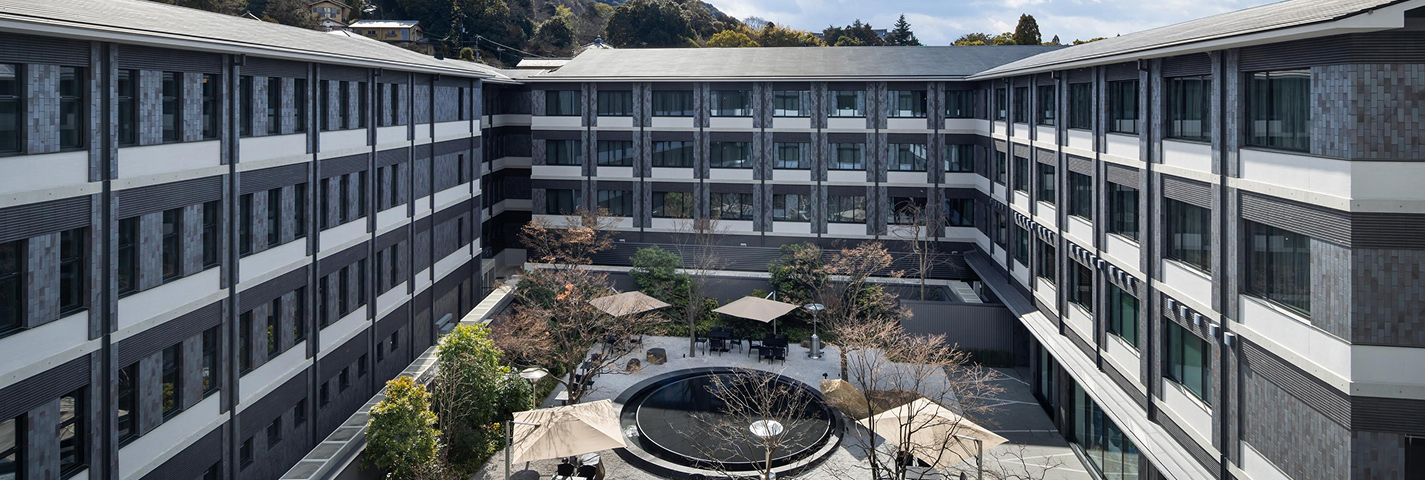
Stay at THE HOTEL HIGASHIYAMA KYOTO TOKYU, A Pan Pacific Hotel
Tucked in historic Higashiyama, this is a stay that brings Kyoto’s quieter beauty within reach. Discover temples, walks, and seasonal moments to shape a more unhurried itinerary.
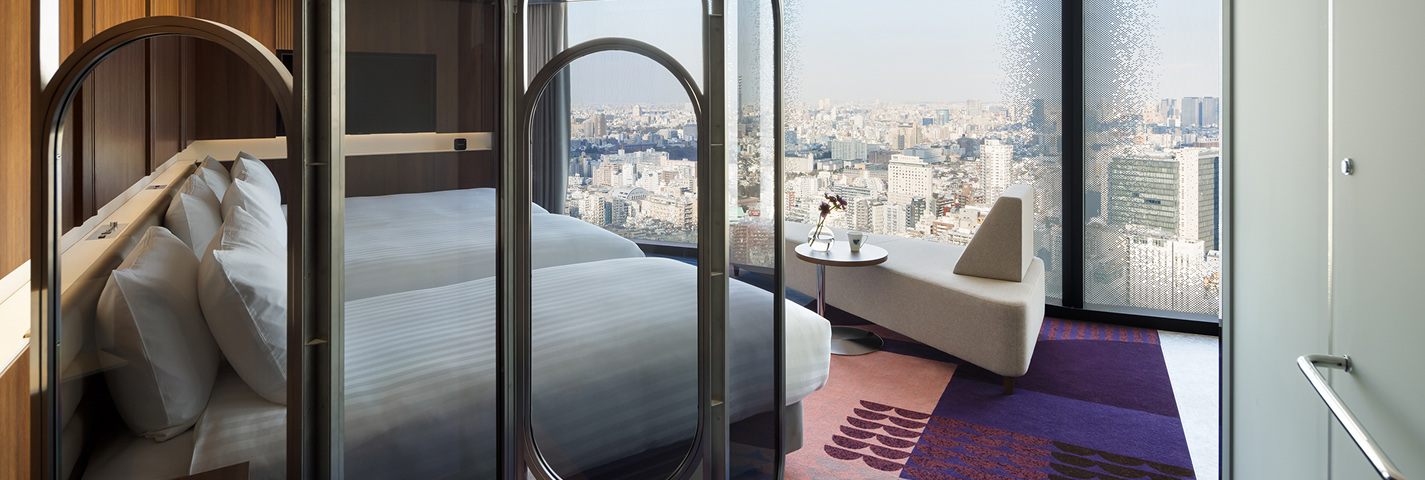
Stay at HOTEL GROOVE SHINJUKU, A PARKROYAL Hotel
Step into the rhythm of Shinjuku, where food, nightlife, and shopping sit side by side. Find the city’s standout experiences, from headline sights to small discoveries right here.
More to Discover
-
Hotels and Resorts


-
Serviced Suites


-
Wellness and Lifestyle


Sign Up for Our Newsletter
Be the first to know about our exclusive deals.
Download Our Mobile App


Get the Latest from Our Socials

