Published: May 2026
Regenerative Dining in Singapore
Something is shifting in the way the world's most thoughtful travellers think about eating well. Regenerative dining is the evolution of conscious cuisine beyond farm-to-table, redefining what it means to dine luxuriously in 2026.
Rather than simply sourcing good ingredients, a regenerative approach asks a more demanding question: Does this meal actively give something back? It is a philosophy rooted in circular thinking, where kitchens become ecosystems, waste becomes resource and the plate in front of a diner tells a complete, living story.
Singapore, a city that has long turned geographic constraints into creative energy, is a particularly fertile ground for this movement. Urban density, a sophisticated food culture, and a national drive toward food resilience through initiatives such as the Singapore Food Agency's Farm-To-Table Recognition Programme have made the city-state a natural testing ground for closed-loop dining concepts. Here, reducing food miles is an active challenge, one that chefs, hoteliers and growers are solving together, often within the very same building.
Born out of this movement is a new kind of culinary experience that guests can see, taste and trace.
Unlike a sustainability statement buried in fine print, a circular culinary ecosystem is visible in the rooftop growing beds, in the mushroom cultures flourishing near a restaurant entrance, and in the kitchen composter that transforms yesterday's bar scraps into tomorrow's growing medium. For the curious traveller, it transforms a meal into something genuinely participatory.
Sign up for Pan Pacific DISCOVERY
Join Pan Pacific DISCOVERY and unlock a wealth of benefits, with or without a stay. Enjoy exclusive member rates, specially curated Local Offers and Experiences, and access to our rewards currency, DISCOVERY Dollars (D$).
SIGN UP NOWThe Shift From Farm-to-Table to Farm-in-Hotel
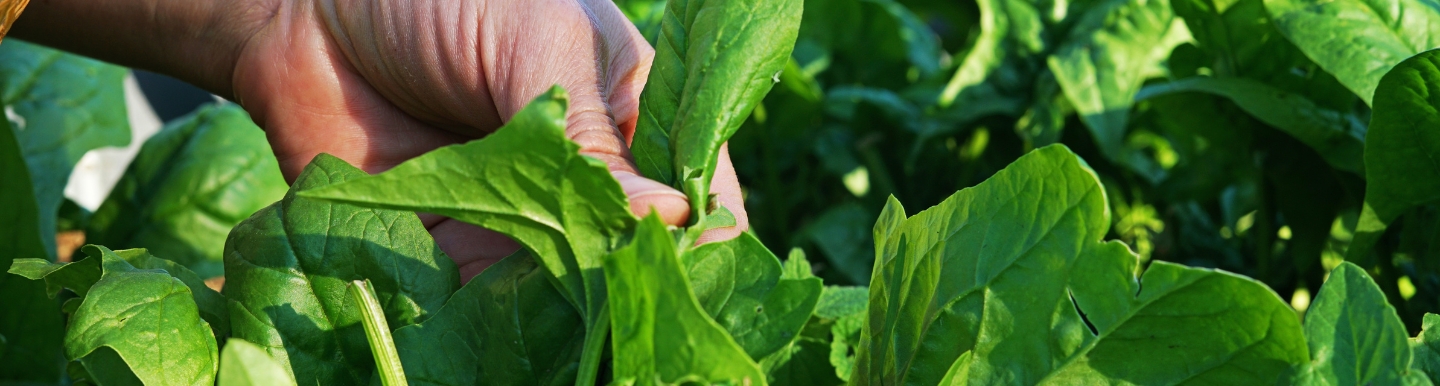
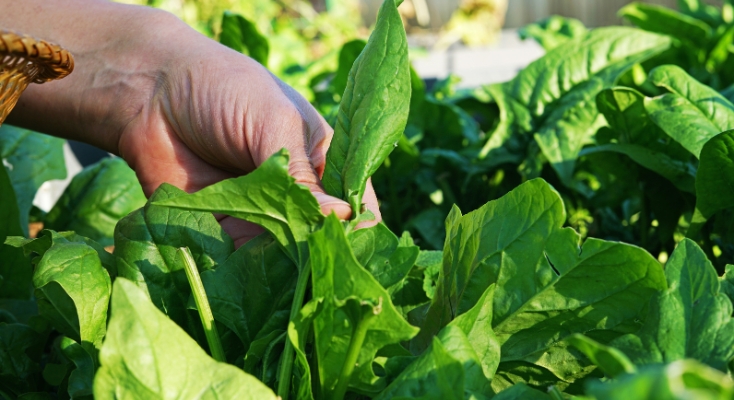
The farm-to-table movement made provenance a priority, shortening the distance between field and fork. Circular dining takes that premise further by eliminating the field and growing produce on-site, within or atop the building itself.
Hydroponic systems, which circulate nutrient-rich water rather than relying on soil, have made vertical and rooftop growing viable even in a dense tropical city like Singapore. Romaine lettuce and leafy greens such as sio pek chye and vivid red frisée can be cultivated in controlled conditions, harvested at peak flavour, and carried directly to the kitchen below. In a way, the food mile is measured in floors, not kilometres.
What makes this circular rather than simply local is what happens to the by-products. In a thoughtfully run circular kitchen, the loop never breaks. Coffee grounds from the morning's espresso service do not go to waste; they are collected alongside kitchen and bar scraps and fed into an on-site composter.
Over time, that compost matures into a rich fertiliser that returns to nourish the very beds that produce next week's harvest. It is the kind of quiet, unglamorous ingenuity that defines genuinely regenerative operations built into daily routine.
Reading the Menu Differently
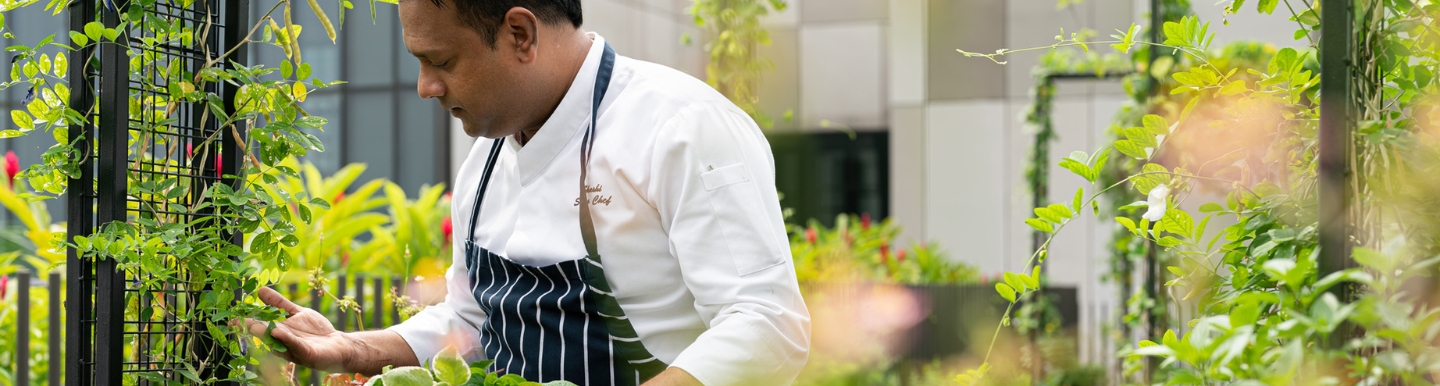
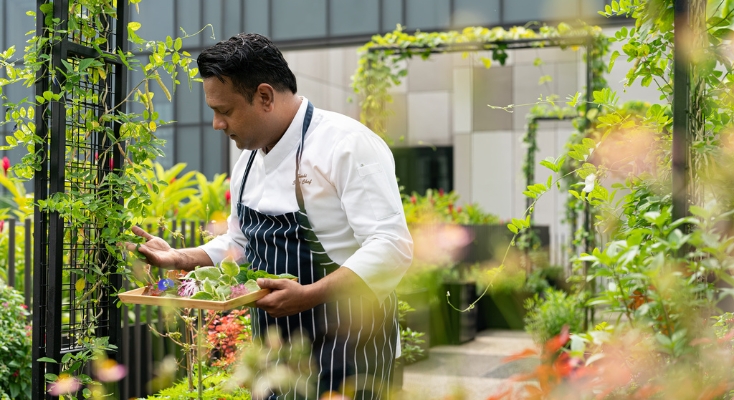
Understanding circular dining changes how a guest engages with every dish. When romaine lettuce arrives as the crisp foundation of a Caesar salad at Lime Restaurant, that leaf may have been growing on a rooftop hydroponic bed just days before.
It’s washed of artificial packaging, untouched by long-haul transport, and charged with the particular freshness that comes only from a very short journey. Sio Pek Chye, a beloved Chinese leafy green, moves from the same rooftop beds to the wok stations, where it is stir-fried and folded into buffet dishes that celebrate hyper-local produce without ceremony.
Circular dining also reimagines what counts as an ingredient. Trimmings, peels and stems that a conventional kitchen might discard become flavour-forward elements. They can be fermented, charred or reduced into stocks and sauces. Mushrooms, cultivated in dedicated displays at restaurant level, add an earthy dimension to menus while making the growing process itself a visible conversation piece for diners passing by.
These are expressions of a culinary philosophy that treats abundance and restraint as equally creative impulses. By 2026, the circular kitchen models anchored in repurposing, upcycling and on-site composting will become the standard to which serious dining operations are held.
The Visible Farm Connection
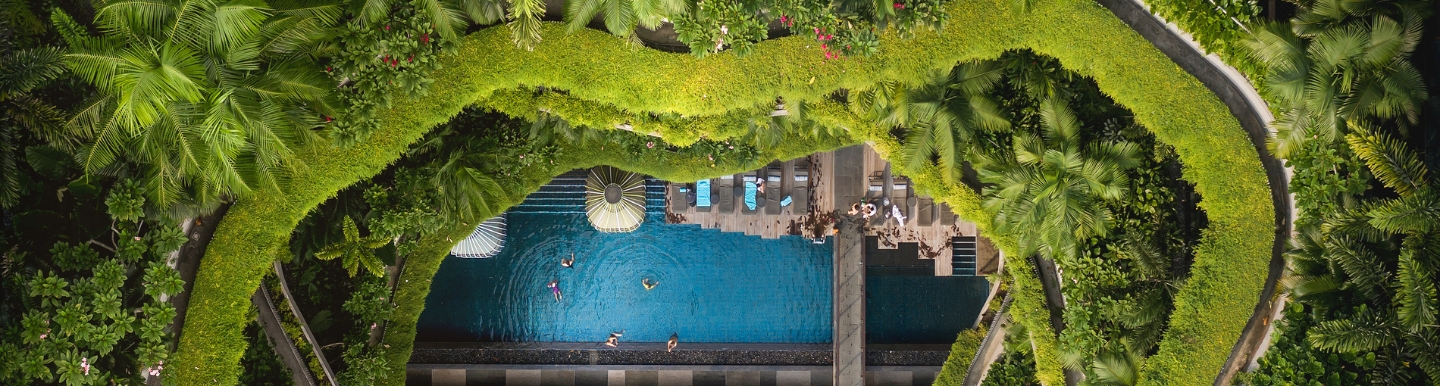
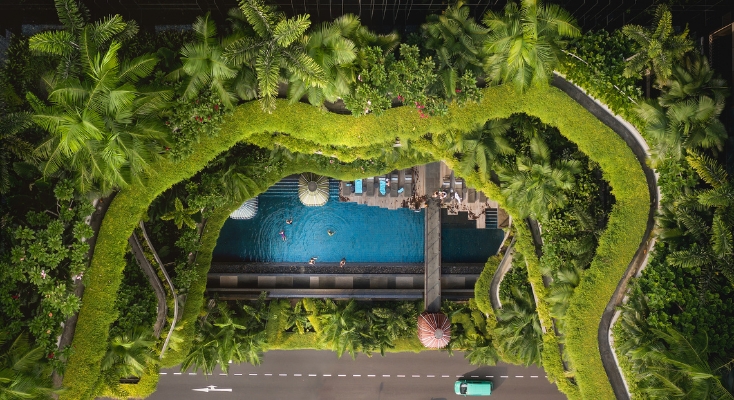
One of the most significant shifts in regenerative food tourism is the transition from hidden to visible. Hotels and restaurants that once kept production behind the scenes are now inviting guests to witness, touch and ask questions about where their food comes from.
From hyper-regional wellness retreats in Italy to closed-loop farm-to-bar experiences at luxury lodges in the United States, it just shows that guests are willing to seek out and pay a premium for this layered story. Transparency is the new amenity.
In Singapore's urban context, where green space is precious and every square metre of growing capacity carries meaning, that transparency takes on particular resonance. A rooftop hydroponic farm is a statement about the kind of city Singapore is building and the kind of hospitality that fits within it.
For guests who arrive already attuned to circular living, discovering a working urban farm, a living mushroom display and a composting loop that feeds it all is not a bonus. It is the reason they chose to stay.
A Circular Culinary Experience
At PARKROYAL COLLECTION Pickering, the circular culinary ecosystem described above is woven into the fabric of a stay. Located on the 16th floor, the hotel's Urban Farm is home to over 50 varieties of vegetables, fruits, herbs and edible flowers, while the newly launched Hydroponics Farm cultivates romaine lettuce, sio pek chye and red frisée in conditions designed for peak freshness and minimal environmental impact.
Guests with access to the COLLECTION Club Lounge on that same floor can step out and see the beds for themselves. The rare, grounding moment in which the origin of what will appear on their plate becomes tangible and immediate.
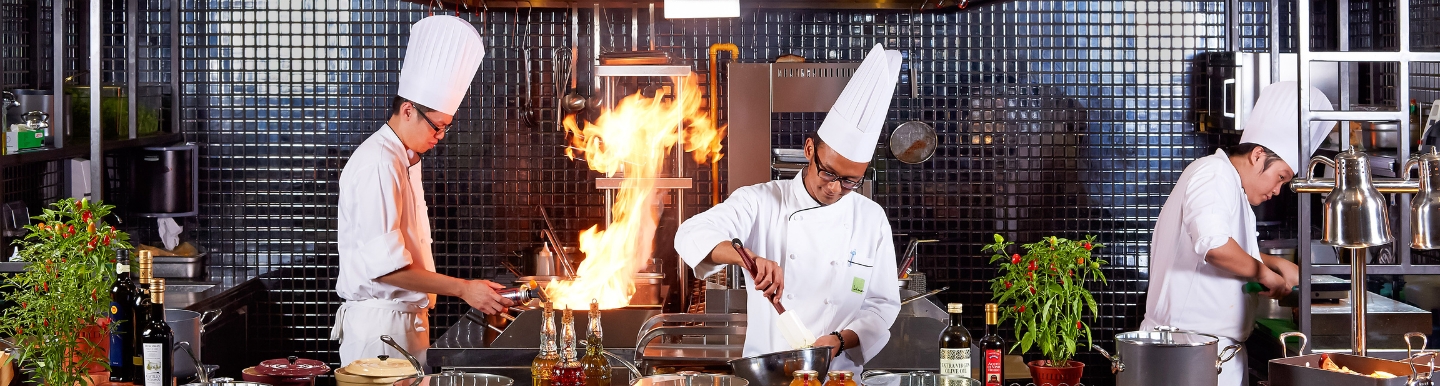
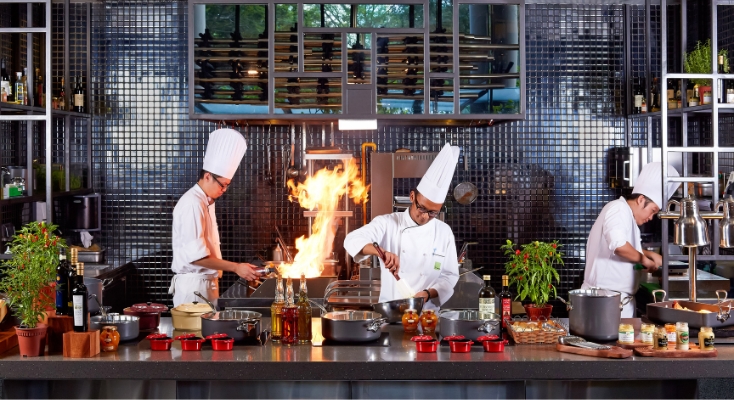
At ground level, the hotel's mushroom display sits at the entrance to Lime Restaurant, visible to every guest who walks through. Inside, Lime's kitchen closes the loop in the way that circular dining demands: kitchen and bar scraps are collected and composted on-site, with the resulting fertiliser returned to the urban farm to nourish the next growing cycle.
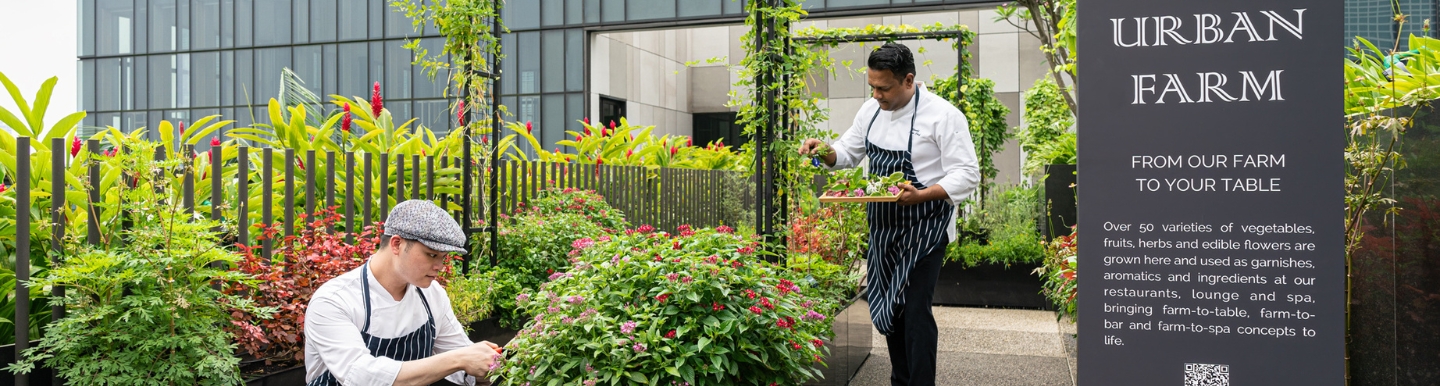
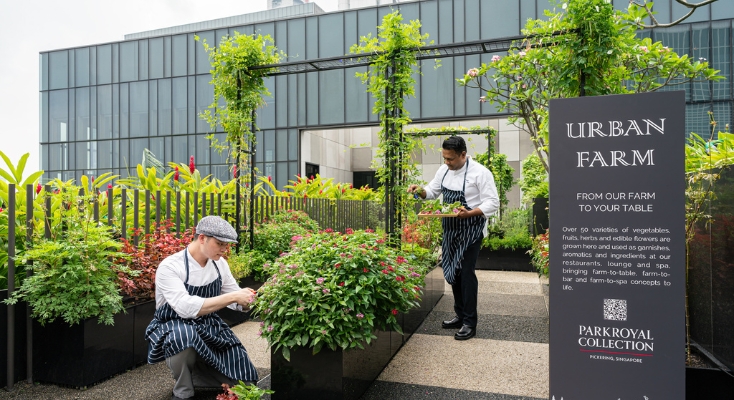
Nothing is wasted; everything is reused. The kitchen closes the loop with quiet consistency, returning what the meal leaves behind to the very beds that will feed the next one.
We invite guests to carry this awareness to the table. Whether savouring a plate of freshly harvested greens at Lime, pausing to observe the mushroom cultivation at the restaurant entrance or stepping out to the 16th-floor farms during a COLLECTION Club stay, each encounter deepens a connection to what regenerative dining can look and feel like in practice.
This is the COLLECTION vision made edible—a circular grace that moves quietly from rooftop to kitchen to compost and back again, one meal at a time.


Discover More Destination Insights

Hidden Gems in Singapore: Nature Spots in the City
Find Out More
A Day Around Marina Bay Singapore
Find Out More
The Conscious Traveller’s Guide to Sustainable Journeys
Find Out More-
HOTELS AND RESORTS


-
SERVICED SUITES


-
WELLNESS AND LIFESTYLE


Toll-Free Room Reservation Numbers
3 Upper Pickering Street,
Singapore 058289
Want to Leave Us a Message Instead?
Send EnquirySign Up for Our Newsletter
Be the first to know about our exclusive deals.
Download the App


