Hushpitality Is Redefining Five-Star Travel
There is a particular kind of quiet that cannot be bought with thread counts or marble bathrooms. It arrives when the hum of notifications fades, when a room holds nothing but the slow rhythm of one's own breathing, when the only thing a hotel asks of its guest is to simply be still.
In 2026, that quiet has a name—Hushpitality—and travellers are seeking it with the same urgency they once reserved for rooftop pools and Michelin-starred dining tables.
The shift is more than a trend. For years, luxury hospitality expressed itself through abundance: more amenities, more stimulation, more spectacle. But the guest who steps into a five-star hotel in 2026 is often escaping a world already overloaded with all of those things.
It’s an intentional step away from the relentless notifications, the open-plan offices, or the city streets that pulse without pause. Rest, true, restorative, unhurried rest, has become the rarest thing that money can now buy.
What follows is an invitation to imagine what it feels like to return to a room so thoughtfully designed that sound simply stops at the door. To eat alone without awkwardness, bathed in soft light and unhurried service. To wake without an alarm in a city that has not followed you up to the fourteenth floor. The quiet travel movement is asking hotels a deceptively simple question: What does it feel like to do absolutely nothing, sincerely?
Sign up for Pan Pacific DISCOVERY
Join Pan Pacific DISCOVERY and unlock a wealth of benefits, with or without a stay. Enjoy exclusive member rates, specially curated Local Offers and Experiences, and access to our rewards currency, DISCOVERY Dollars (D$).
SIGN UP NOWRooms Designed as a Sanctuary


The architecture of silence begins long before a guest unpacks. In properties that take acoustic comfort seriously, walls are fitted with sound-absorbing materials: dense insulation, double-glazed windows, and heavy drapery that absorbs street noise before it reaches the bed. Corridors are carpeted not just for aesthetic warmth but for the way thick pile swallows the sound of footfall at two in the morning.
The difference between a room that promises quiet and one that actually delivers it is felt the moment the door closes.
Beyond construction, the finest expressions of Hushpitality treat silence as a curated experience in its own right. Think of the meditative stillness that settles over a well-designed room in Singapore or Tokyo when the lights dim, the air-conditioning hushes to a whisper, and every surface has been chosen to absorb rather than reflect.
There is a Japanese concept at work here—ma, the philosophy of meaningful negative space—where what is deliberately absent from a room holds as much power as what is present. Silence, in this reading, is intentional.
Sleep programming has become its own discipline within this movement. Properties now offer sleep-focused amenities with weighted blankets, blackout panels sealed to the millimetre, in-room sound machines that play rain recorded in actual forests rather than digitally synthesised loops, and pillow menus calibrated to sleeping position.
These details speak not to indulgence for its own sake but to a deeper and more sincere form of care: the acknowledgement that a rested guest is a transformed guest.
The Service That Says Less
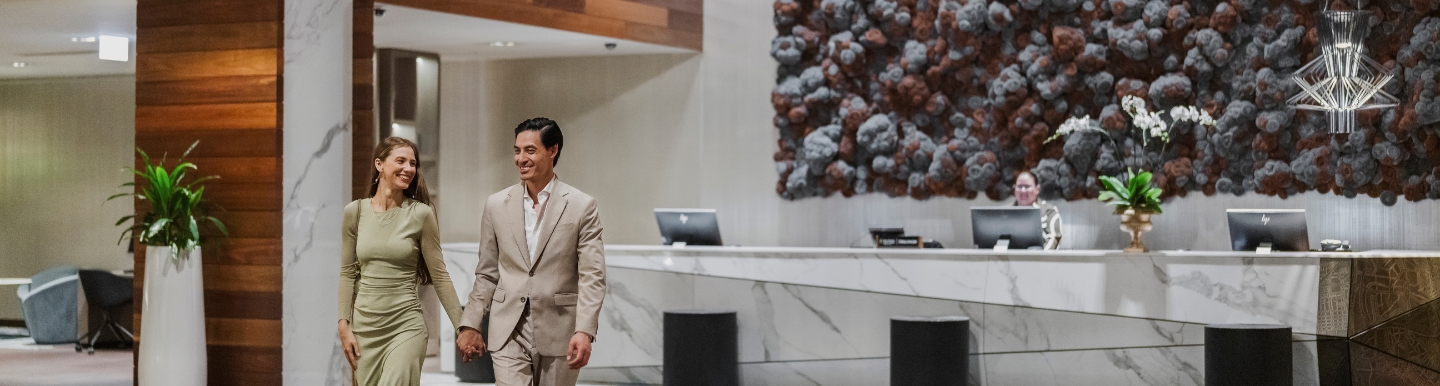
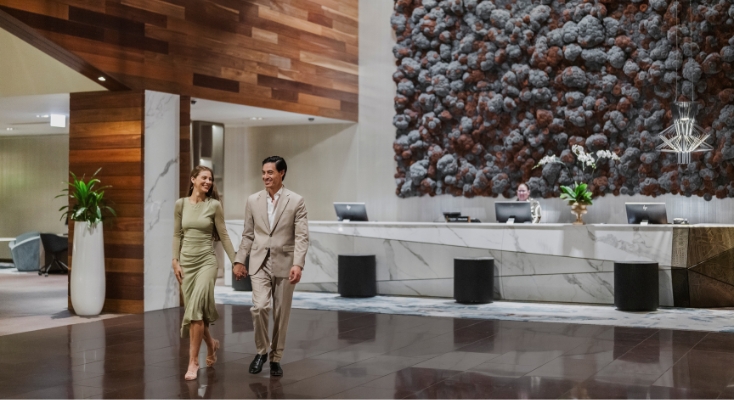
The most important quiet in a hotel is often the absence of unnecessary interruption. Imagine: the knock at the door that did not come, the phone that did not ring, the member of staff who read the room and retreated rather than approached.
Low-interruption service is emerging as one of the most sophisticated expressions of hospitality skill, requiring teams to be more perceptive, more present and, paradoxically, more attentive precisely by being less visible.
This sensibility has deep roots in Asian hospitality philosophy. Omotenashi, the Japanese approach to wholehearted anticipatory service, has always prioritised the guest's unspoken needs over performative gestures.
A glass is refilled before it is empty. A towel was replaced without being asked. A path cleared of distraction before the guest even notices it was there. This kind of service asks nothing of the guest and, in doing so, grants the most precious thing of all: the freedom to exist without social obligation.
Urban destinations are learning from quieter ones. Cities like Hanoi, Kuala Lumpur and Perth, where the pace of life has its own distinctive rhythm, already offer the raw material for this kind of experience. The task for hotels is to distil that quality and hold it in place for guests who have travelled a long way to feel it.
Destinations of Deliberate Stillness
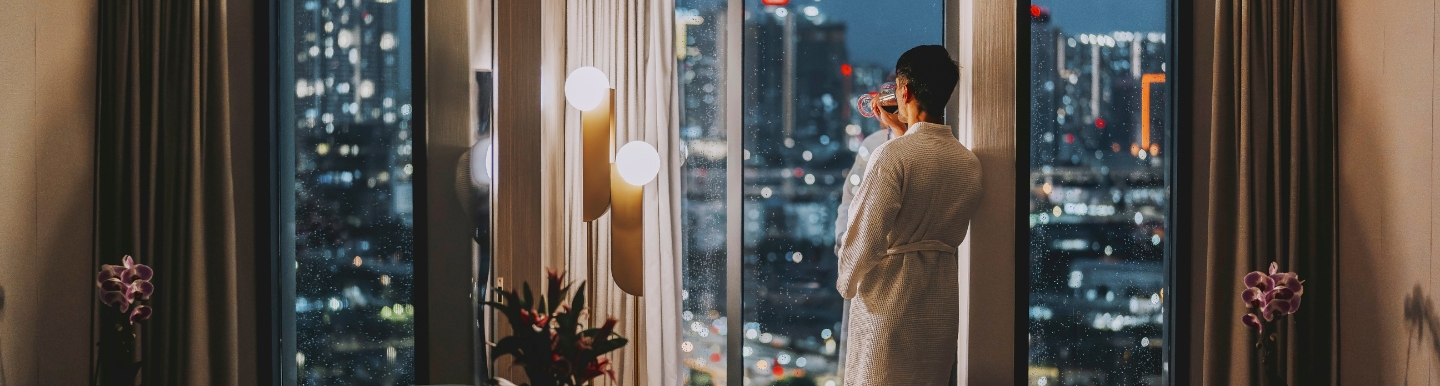
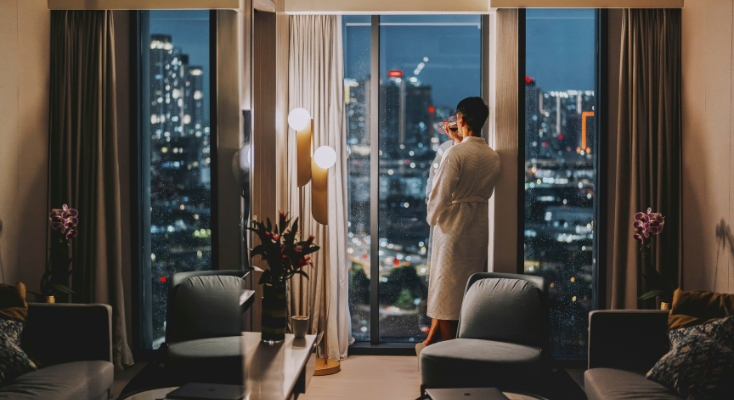
Some places have always understood quiet as a gift. The temple-wrapped plains of Siem Reap, the West Lake in Hanoi, and the wide blue horizon from a seafront room in Penang are places where stillness is inherited, where the landscape itself does much of the work.
The growing quiet travel movement is drawing travellers towards exactly these kinds of destinations: not necessarily remote, but resonant. Places where the nervous system unclenches almost on arrival.
What is new is the deliberateness with which hotels in these destinations are now curating that quality. Signal-light zones, where corridors and common areas are designated as phone-free, have appeared in properties across Southeast Asia and beyond.
Silent dining options, once the preserve of meditation retreats, are being offered in mainstream hotel restaurants. Wellness programmes built around restorative sleep rather than intensive activity are replacing high-intensity schedules at many leading addresses in Singapore, Sydney and London.
Even within cities that never really sleep, such as Ho Chi Minh City, Jakarta, and Bangkok, the demand for sanctuaries of silence is growing. Guests increasingly arrive not to see more but to feel less overwhelmed. In this context, a well-placed garden, a library reading nook, or a rooftop at dusk with no music playing becomes a more valuable amenity than any spa treatment.
A stay structured entirely around the recovery of peace is no longer a niche concept. It is what many of the world's most discerning travellers are now actively planning around.
A Quieter Kind of Welcome

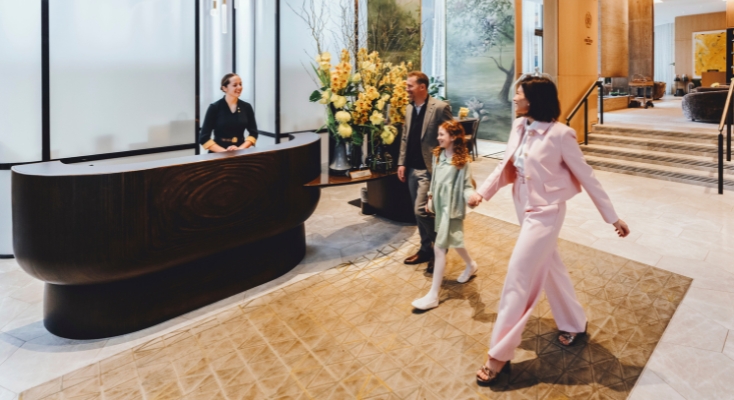
At Pan Pacific Hotels & Resorts, we are rooted in something quieter than spectacle: genuine attentiveness, anticipating needs before they are spoken, delivering refined comfort without asking for applause. The approach of being gracious, dependable, and warm without being performative maps naturally onto everything Hushpitality asks of a hotel. The Pacific Club Lounge in properties across Singapore, London (pictured) and beyond already embodies this philosophy, offering guests a place to arrive, decompress and simply be, far from the noise of the lobby.
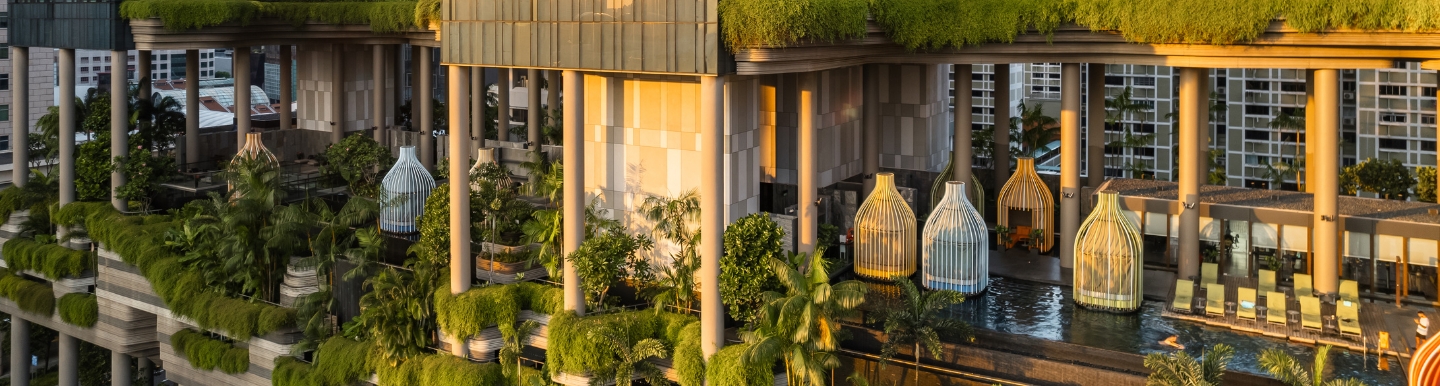
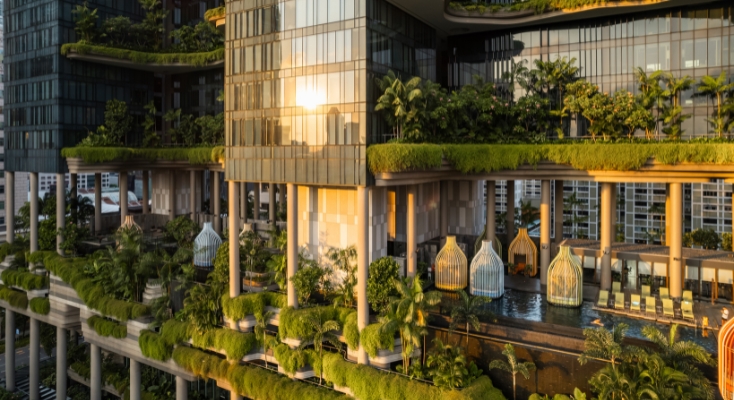
At PARKROYAL COLLECTION, the commitment to biophilic design and nature-led sanctuary becomes particularly powerful in this context. The living walls and garden walkways at PARKROYAL COLLECTION Pickering in Singapore (pictured), and the lush architectural greenery at PARKROYAL COLLECTION Marina Bay, create environments in which quietude is structurally embedded.
Nature, by its very presence, lowers the ambient temperature of a space visually, acoustically and emotionally. Guests do not need to be told to slow down; the space does the telling for them.

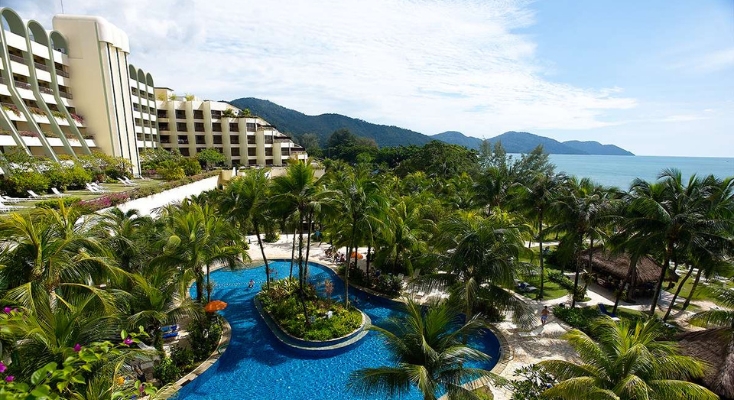
At PARKROYAL, the brand's warmth and neighbourhood authenticity lend themselves to a different but equally powerful expression of quiet. In destinations like Penang (pictured), with its languid seaside mornings, or Kuala Lumpur, where a well-positioned hotel room sits above the city without being consumed by it, PARKROYAL's invitation to discover and connect extends naturally to the discovery of one's own stillness.
Sometimes the most meaningful local experience a hotel can offer is simply the space to notice where you are and to be unhurried, unscheduled, and, for once, to hold stillness.


Discover More Destination Insights

Of Luxury Travel and Soft Adventures
Find Out More
Guide to Luxury Travel Trends in the World
Find Out More
Unforgettable Luxury Travel Experiences for Couples
Find Out More-
Hotels and Resorts


-
Serviced Suites


-
Wellness and Lifestyle


- About Us
- Development Opportunities
- Newsroom
- Careers
- Pan Pacific Connections
- Frequent Flyer Programme
Sign Up for Our Newsletter
Be the first to know about our exclusive deals.
Download Our Mobile App


Get the Latest from Our Socials

