On the quiet western edge of Hanoi's Ba Dinh Ward, where the still waters of Truc Bach Lake reflect the sky and the scent of incense drifts from temple courtyards, a new kind of cultural destination is taking shape.
Just a 9-minute walk from Pan Pacific Hanoi, Pearl Island—the intimate peninsula framed by Truc Bach—rests just moments from Hanoi's historic quarters, home to ancient temples, a celebrated craft village and the kind of unhurried lakeside pace that the city's older neighbourhoods do best. What is new is the way these layers of history are now being brought to life for curious visitors.
The launch of the experiential tour "Hanoi – Touching Memories" marks a meaningful turn in how Hanoi presents its past. Rather than placing heritage behind glass or behind barriers, this initiative brings it directly into the streets, where it can be experienced firsthand by those exploring the city.
The inspiration is Hanoi's beloved surface tramway network, which ran from 1901 to 1991, threading through the city's neighbourhoods for nearly a century before the last line quietly closed.
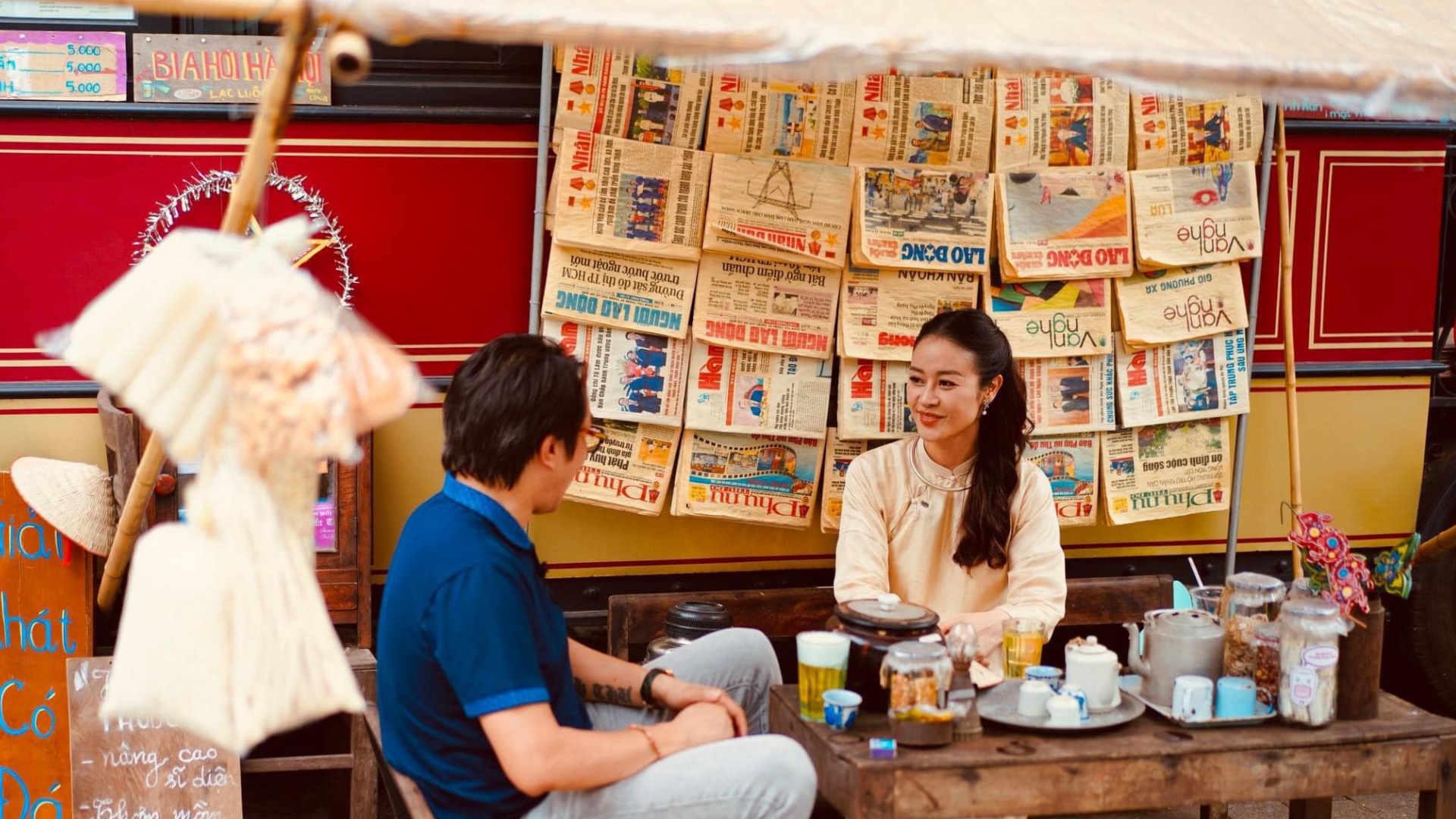
Tram Line No. 6 reclaims that name and spirit as a living street museum, bringing a series of double-decker tram carriages along the lakeside streets to create an open-air heritage route unlike anything else in the city.
The nine heritage stops that make up the experience are designed to engage all five senses, weaving together spiritual landmarks, culinary rituals and everyday domestic life into a single, walkable narrative. For travellers who want to understand Hanoi rather than simply observe it, this route offers something rare: a city that shares its memories rather than merely showcasing them.
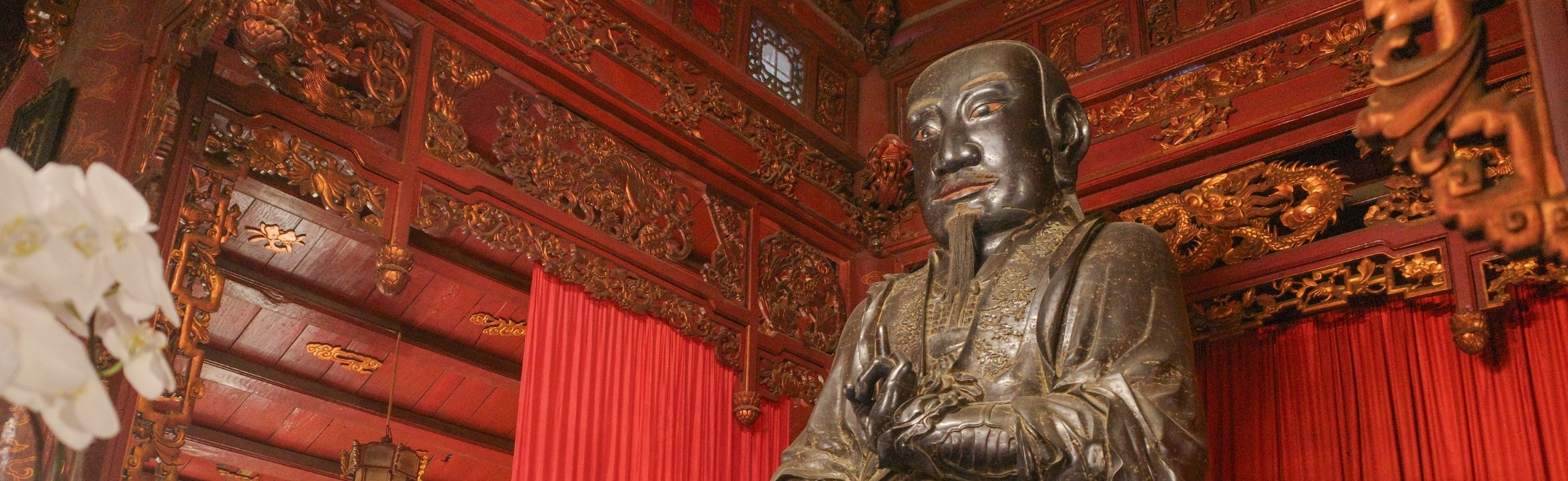
The route opens at one of the most quietly powerful sites in the capital. Quan Thanh Temple, designated a Special National Monument, has stood at the northern gate of ancient Thang Long for over a thousand years. Dedicated to Tran Vu, the guardian deity of the north, it is one of the four sacred temples that once protected the old imperial city, and its heavy bronze statue and moss-covered courtyards carry a stillness that sets a contemplative tone for the entire walk.
A short distance along the lake, Thuy Trung Tien Temple—also known as the Temple in the Middle of the Water—introduces a different spiritual register altogether. This small sanctuary is associated with the worship of the Mother Goddess. This living belief system has shaped Vietnamese spiritual culture for centuries and remains a meaningful part of everyday religious life in the north. Visitors here may also encounter Chau Van, the traditional ritual singing practice recognised by UNESCO as intangible cultural heritage, whose flowing melodies are among the more unexpected and affecting discoveries on the route.
Together, these two temples anchor the walk in places of genuine devotion, visited by local worshippers as much as by curious travellers. Truc Bach Lake itself, which stretches quietly between them, adds to this sense of continuity: its name, meaning "white (Bach) silk by the bamboo (Truc) lake", is said to derive from the fine fabric once woven in the neighbourhood during the imperial era. Walking this stretch in the early morning, when the light is low and the streets are still, is to feel the thousand-year-old capital in its most unguarded state.
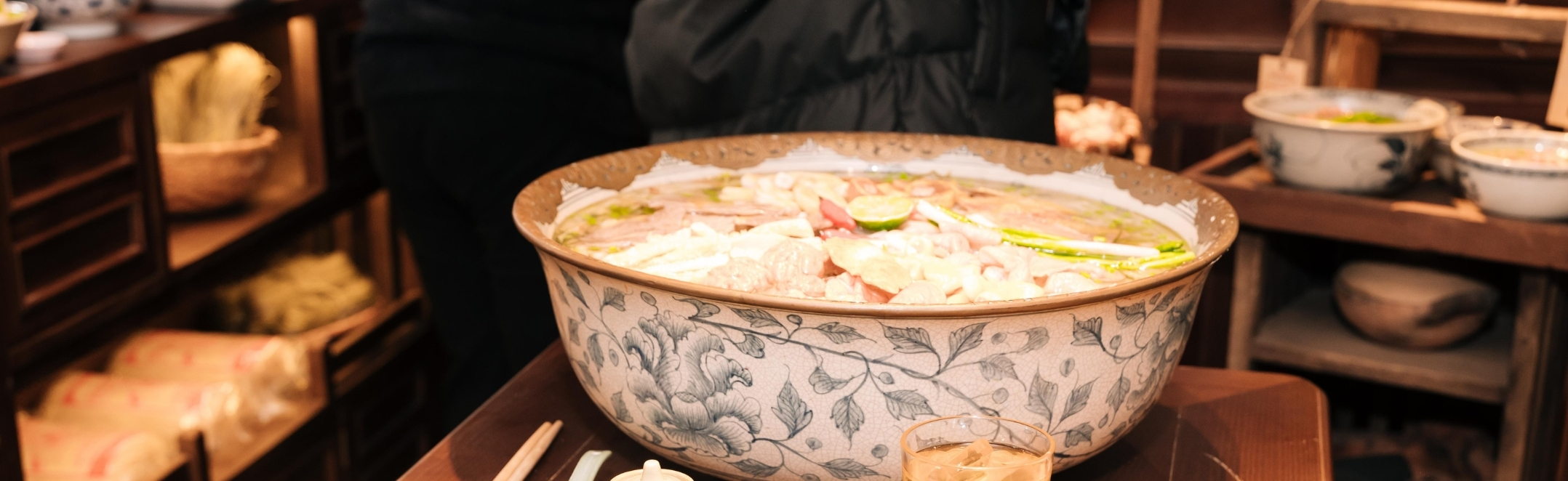
The tram carriages that line the route are individually themed around Hanoi's most deeply personal cultural touchstones, and food sits at the heart of several of them. The "Pho, Bun, Noodle" carriage draws visitors into the story of Hanoi's noodle heritage, with particular attention given to the origins and craft of pho—a dish inseparable from the city's identity and one that northern Hanoians will tell you is best experienced here, in its home. The carriage traces the dish through its ingredients, its history and its place in daily life, offering a richer understanding of why a simple bowl of broth means so much.
Nearby, the "Café, Coffee" carriage offers a primer in Vietnamese coffee culture that goes well beyond the familiar ca phe sua da (Vietnamese iced milk coffee). Visitors learn the art of salt coffee brewing, a distinctive northern practice in which a pinch of salt is added to the brew to soften bitterness and heighten sweetness—a tradition with a devoted local following and a character entirely its own. It is a stop that illustrates how Hanoi's coffee culture, like its cuisine, rewards the visitor who takes time to look more closely.
The "Kitchen, Cupboard, Dining Tray" carriage takes a more intimate and moving turn, recreating the subsidy-era kitchen of mid-century Hanoi, where families gathered around simple meals of cassava and sweet potato during decades of wartime rationing and economic hardship. The foods and drinks on offer here are not delicacies but essentials—the kind of sustenance that sustained a city through some of its most difficult years. For Vietnamese visitors, this is a stop that resonates with personal memory; for international travellers, it offers an honest and affecting window into a chapter of the city's history that rarely features in standard itineraries.
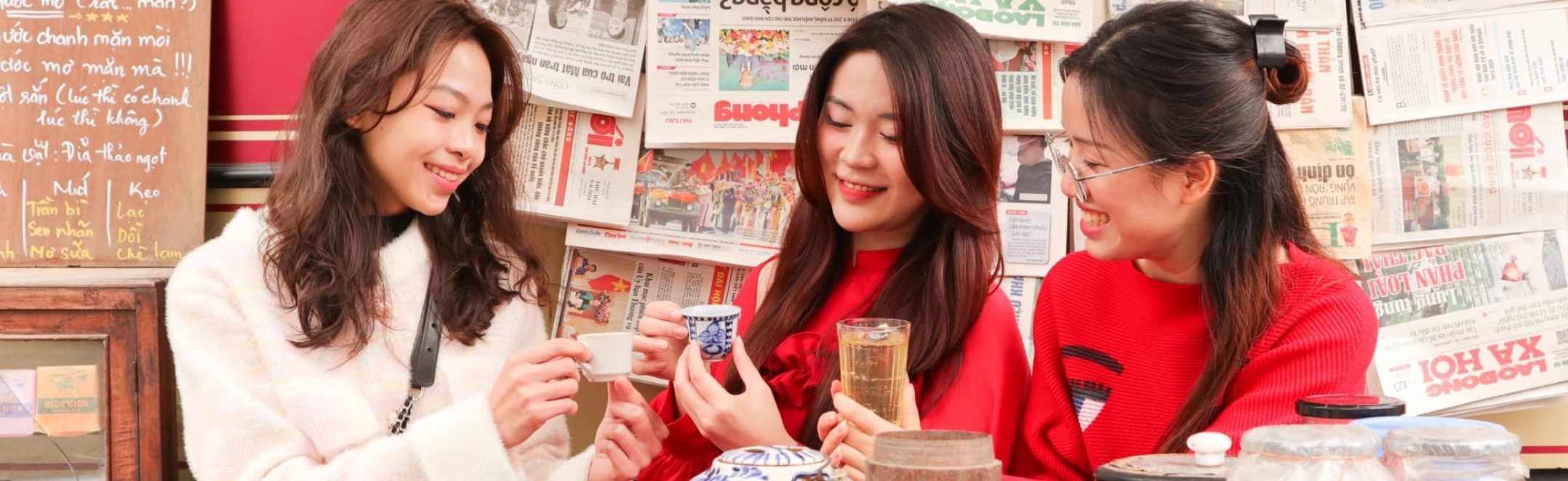
Beyond the culinary carriages, the route turns toward the hands and the home. The Typical Subsidy-Era Apartment is a faithful recreation of a mid-century Hanoi dwelling—its furnishings, utensils and personal objects drawn from the lived reality of ordinary families in the collective housing blocks that once defined urban life across the capital. Standing in this small, carefully assembled space, visitors gain a tangible sense of how Hanoians organised their days, meals, and relationships within the constraints of a particular era. It is the kind of stop that feels genuinely discovered rather than curated.
The Traditional Bronze Casting Exhibition House in the Ngu Xa village preserves the tools, techniques and stories of the artisans who gave this neighbourhood its name and its reputation. Ngu Xa has been synonymous with bronze casting for centuries, producing religious statues and ceremonial objects of exceptional quality that can still be found in temples across the city and beyond. The exhibition offers visitors a close look at a craft that requires patience, precision and inherited knowledge—qualities that define Hanoi's cultural character as much as any of its famous dishes.
The "Paddy, Grain, Rice" carriage invites visitors to trace the journey of rice from paddy field to table, including a hands-on experience making traditional green rice cakes—a Hanoi delicacy prepared each autumn from freshly harvested young glutinous rice with a distinctive fragrance and a soft, yielding texture. The route then closes at the Tea Carriage, which introduces the eight refined pastimes of old Hanoi scholars: music, chess, poetry, painting, calligraphy, flower arrangement, wine appreciation and tea culture. Over cups of both traditional and contemporary tea, it is a fittingly unhurried end to a walk that has asked, at every stop, for the kind of attention that good travel deserves.
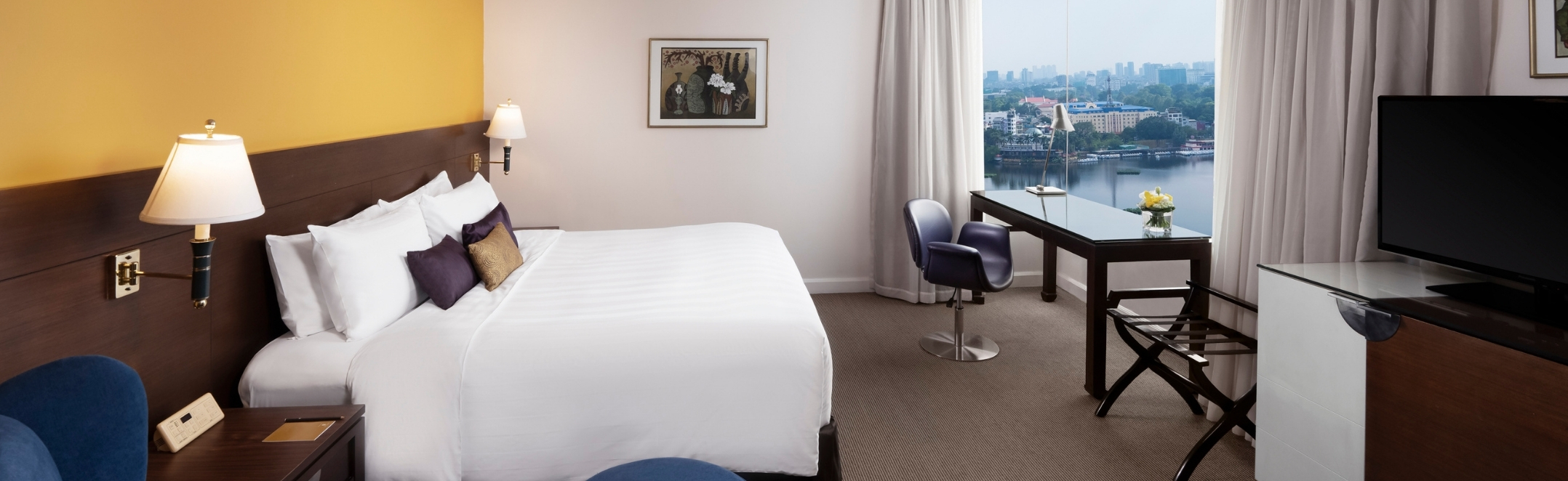
At Pan Pacific Hanoi, we are proud to sit just minutes from the heart of this remarkable cultural route. Located on Thanh Nien Road, beside Truc Bach Lake and Tran Quoc Pagoda, reachable in five minutes, the hotel offers a natural and comfortable base from which to explore the Tram Line No. 6 experience and the wider Ngoc Island neighbourhood. For the tour, visit tuyentaudienso6.com or follow updates on Facebook.
Returning from an afternoon on the heritage route, guests are welcomed back to 328 rooms, suites and serviced suites furnished with sweeping views across West Lake—a setting that echoes the same sense of calm and reflection that the walk itself inspires. The tranquil water views, the attentive service and the considered interiors of Pan Pacific Hanoi form a quiet counterpoint to the sensory richness of the streets outside, offering a place to process, rest and savour what the day has brought. Every room is a place to return to with something worth remembering.
We believe the best travel leaves something behind: a deeper understanding, a flavour recalled, a craft observed at close hand. The "Hanoi – Touching Memories" experience offers all of this within a short walk from our door, and our team is here to ensure the rest of your stay matches it in thoughtfulness and care.
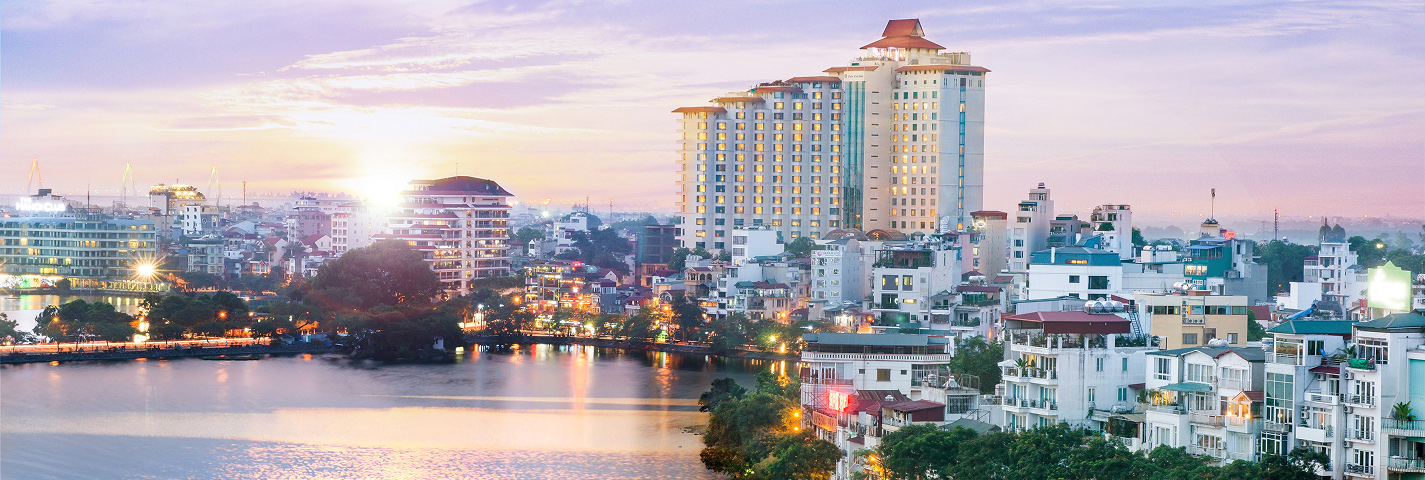
Stay at Pan Pacific Hanoi
Pan Pacific Hanoi sets the scene for a softer side of the capital. From romantic restaurants to simple date ideas that suit the city’s mood, explore the best that Hanoi has to offer from here.

Stay at PARKROYAL Serviced Suites Hanoi
Extra space makes PARKROYAL Serviced Suites Hanoi quintessential for longer stays and slower evenings. Enjoy Hanoi after dark, including romantic corners, easy strolls, and dining.
More to Explore


-
Hotels and Resorts


-
Serviced Suites


-
Wellness and Lifestyle


Sign Up for Our Newsletter
Be the first to know about our exclusive deals.
Download Our Mobile App


Get the Latest from Our Socials

